Sun, Surf and Shock: Bondi Beach After the Shooting
Bondi at noon is usually a hymn to sunlight: towels stretched like patchwork quilts, the steady hiss of waves, the red-and-yellow flags of the surf lifesavers flapping like punctuation marks. On a day that began like any other, the shoreline’s ordinary rhythm was shattered. Early reports say 12 people have died following a mass shooting near the famed Bondi Beach — a place synonymous with summer postcards, weekend barbecues and the long coastal walk that draws visitors from every continent. The news landed like a cold wave.
For Australians and visitors alike, Bondi has always been more than sand and surf. It’s where locals sip flat whites beneath striped awnings, where lifeguards scan the water with a gaze honed by years of rescues, and where the municipal baths — Icebergs — offer a postcard frame of rock and sea. That intimate tableau feels, in an instant, irrevocably altered.
The Scene Unfolds
Witnesses describe chaos and disbelief. “One minute people were sunbathing, the next people were running,” said a local lifeguard I spoke to, her voice still trembling. “Boards were abandoned. Babies were scooped into arms. No one could make sense of it.”
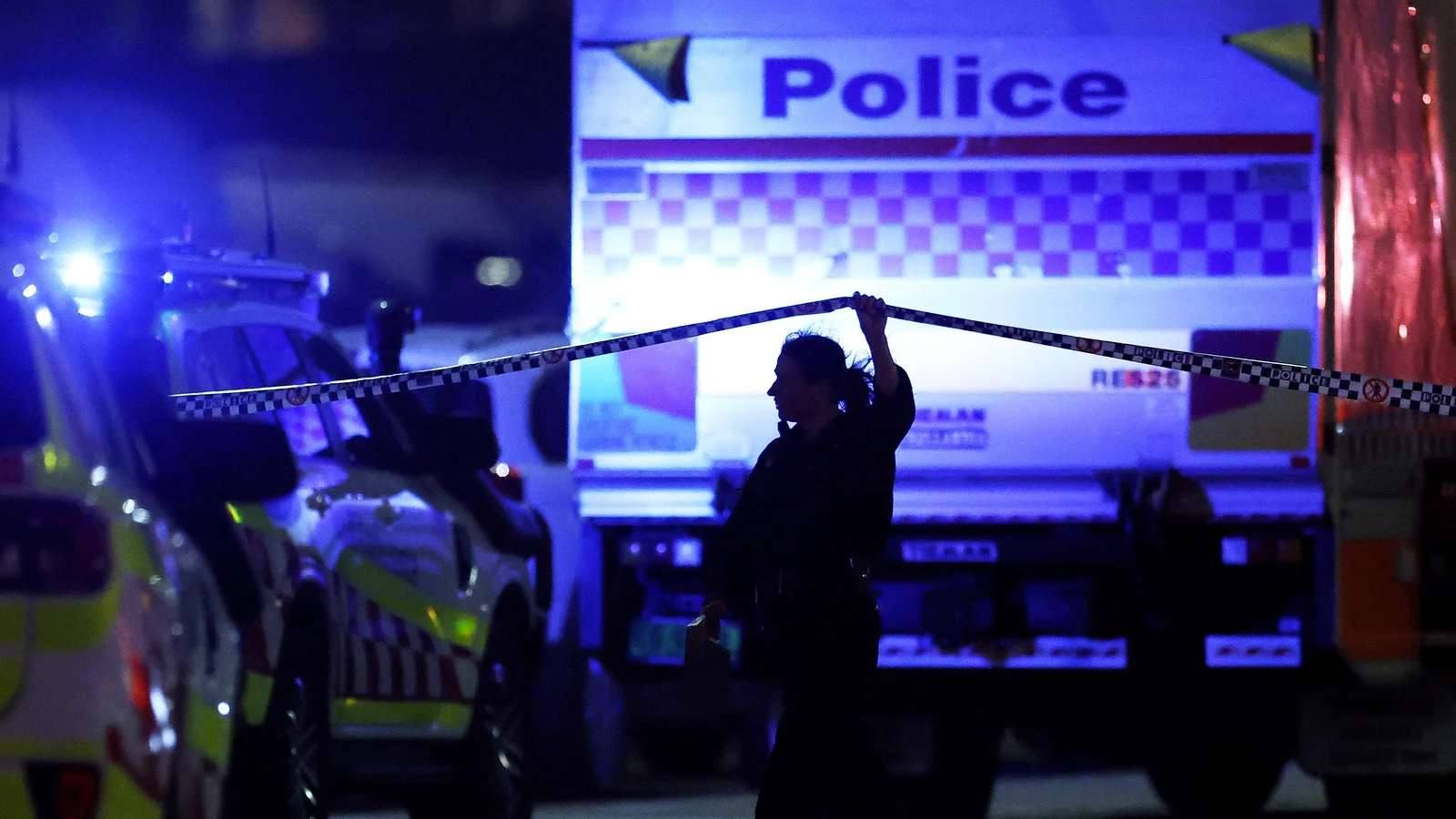
Emergency services arrived within minutes. Police cordoned off the area, closing the coastal promenade and the shopping strip that feeds Bondi’s cafes and souvenir shops. Helicopters hovered. Ambulances queued like black church pews. The soundscape — usually gulls and surf — filled with sirens and the low, urgent tones of officials coordinating triage.
Authorities have warned that the investigation is ongoing and fluid. A police spokesperson described the scene as “a major incident” and urged people to avoid the area to allow first responders to do their work. Details about the motive, the shooter’s identity, and the sequence of events were still being established at press time.
Voices from the Beach
In the shadow of the cordon, voices stitched the human picture. “I couldn’t believe my eyes,” said Marco, who runs a small surf shop on Campbell Parade, gesturing at the boarded windows. “We live off tourists and surfers. Today people came here for joy — for an ice cream, for a swim.” He paused. “Now there’s this. How do you get past that?”
A mother, clutching a child, whispered, “My daughter thought it was thunder. We ran. I prayed we’d make it.” Nearby, an elderly man — a Bondi regular who had been visiting the same bench for decades — sat stunned. “This is no place for this,” he said. “We are a beach town.”
Officials and witnesses alike spoke of the lifeguards’ swift action. “They were incredible, calm under pressure,” said a woman who had pulled a wounded person to safety. “Those training drills saved lives today.”
Why Bondi? Why Now?
Questions proliferate like footprints in the sand. Bondi is emblematic of Australia’s coastal life: lively, open, and densely populated during the summer. That openness, which is part of its charm, became part of its vulnerability. In a country that — after the Port Arthur massacre in 1996 — enacted sweeping gun controls, mass shootings are rarer than in some other nations. The shock is not only at the loss of life, but at the shattering of an assumption: that such brutal public incidents do not belong to beaches framed by cliffs and ocean spray.
“Australia tightened its gun laws after 1996 in a way the world watched closely,” noted Dr. Anika Rao, a sociologist who studies public safety and community resilience. “Those reforms — including a buyback program that removed roughly 650,000 firearms from circulation — reduced the frequency of mass shootings. But rarity is not immunity.”
Dr. Rao added, “This event forces renewed questions about how violence can manifest in public spaces, about social support systems for people in crisis, and about how communities can heal.”
Numbers, Context, and Comparisons
At least 12 people have been confirmed dead; several others were reported wounded and taken to city hospitals. Authorities say the situation is under active investigation, and more precise information will likely emerge in the coming days.
To put this in context: while Australia’s strict post-1996 measures aimed to prevent exactly this kind of tragedy, they did not eliminate interpersonal violence or isolated incidents. According to public health data and international comparisons, Australia’s firearm homicide rate is significantly lower than many countries with more permissive gun laws, but even one such mass casualty event profoundly affects communities and national discourse.
Immediate Aftermath
- The beach and surrounding precinct remain closed as investigators comb the scene and collect evidence.
- Local hospitals have activated emergency protocols to manage the influx of casualties and to provide family support services.
- Counselling resources and community centers are expected to open as temporary points of support for residents, tourists, and first responders.
Local Color in a Time of Mourning
Bondi’s lifeblood — its cafes, the muraled laneways, the yoga classes on the sand — will not be the same in the immediate future. Owners like Marco, who have weathered decades of ebb and flow, now face the task of stewarding both business and communal grief. “We’ll put flowers, we’ll have a vigil,” he said. “People will gather. Bondi always comes together.”
Across Australia, memorials will form in places big and small: on park benches, in front of city halls, and by the surf clubs where everyday heroes once trained for a different kind of rescue. The cultural rituals of grieving — candlelight vigils, moments of silence, the laying of wreaths — will help stitch community back together.
Questions for the Reader and the Nation
What does public safety look like in open, communal spaces? How do cities balance the free flow of tourists and locals with the need for security and emergency readiness? And as you read this from wherever you are — a coastal town, an inland city, a different country entirely — how would you reckon with the vulnerability that comes with congregating in public?
These are not rhetorical exercises; they are questions that will animate local planning meetings, national debate, and personal conversations in the weeks ahead.
What Comes Next
Police have urged patience as forensics and witness interviews fill in the outline of what happened. Meanwhile, community leaders are preparing immediate supports for those affected. Experts in trauma care caution that recovery will take time; the visible wounds will heal faster than the private ones.
“The first week is about immediate safety and stabilizing the community,” said Dr. Rao. “Months and years will be about memory, prevention, and learning to live with the scar.”
Bondi is resilient by character and experience. It is a place built on tides and renewal. Yet the work of healing — for the families of the dead, for the injured, for the lifeguards and shopkeepers and tourists — will be painstaking and slow. As candles are lit and flowers placed against the backdrop of the Pacific, one truth is as raw as it is universal: communities grieve together, and from that grief decisions will be born.
If you have memories of Bondi — of sunrise swims, of a particular cafe, of a friendly lifeguard — hold them close. And if you’re inclined, ask yourself what public safety and public solidarity should look like in the world we are building together. How do we protect open spaces while preserving the openness that makes them meaningful?