Under the Wide Pantanal Sky: A Global Gamble on Migratory Species
There was a heat like a held breath when delegates filed into Campo Verde, a town stitched into the endless patchwork of Brazil’s Pantanal, and the air tasted of wet earth and expectation. For two weeks, the world’s conservationists, ministers and scientists gathered beneath the same wide sky that hosts millions of wings each year to make a choice: which migratory travelers will receive the shield of international law, and which will continue their journeys into peril.
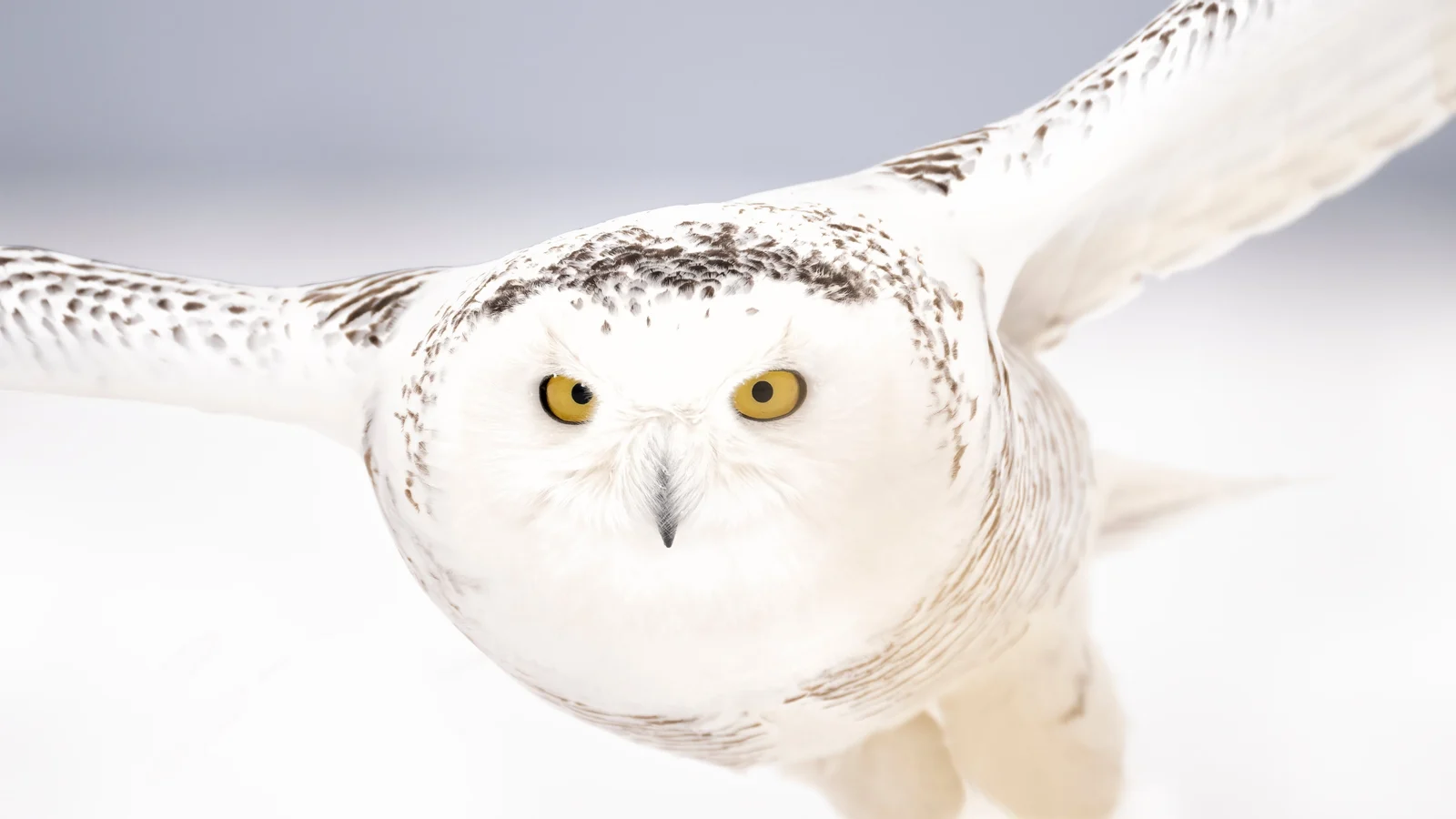
By the time the meeting closed, the UN-backed Convention on the Conservation of Migratory Species (CMS) had added 40 species to its protection lists. The roster reads like a global passport — Arctic tundra to tropical rivers, remote coasts to inland plains. Among them: the snowy owl, instantly recognizable to readers of the Harry Potter books; the long‑billed Hudsonian godwit; the enormous, blade‑headed great hammerhead shark; the river‑slick giant otter; and more terrestrial presences such as the striped hyena.
A roll call that spans the planet
Looked at on a map, these names trace the world’s arteries: skyways, coastlines and riparian highways that stitch continents together. They’re also a warning. A report released as the summit opened found that nearly half — 49% — of species catalogued by the CMS are declining. And almost one in four species is now threatened with extinction on a global scale.
“This is not a cosmetic list,” said Dr. Luis Fernández, a migratory bird specialist who spent much of his childhood counting godwits on the muddy flats of Tierra del Fuego. “When nations place a species under CMS protection, they accept legal duties: to safeguard habitats, remove migration barriers and collaborate with neighbors. That transforms paper into action — if they follow through.”
Campo Verde: Where local rhythms met global commitments
Campo Verde sits at the seam of the Pantanal wetland, where mornings bloom misty and low, and the chorus of frogs and bell‑like calls of waterbirds can be deafening. Ranch houses, cattle tracks and the odd ecological research station speckle the horizon. It is a place where conservation is not abstract; it is the cadence of daily life.
“You wake before the sun because the river is the first clock,” said Maria da Silva, a fisherwoman who grew up on the banks of a tributary that feeds into the Pantanal. “The otters know where the fish are before we do. They are part of this place. If they die out, it’s the whole rhythm that changes.”
A photograph that circulated widely from the summit — a giant otter sending ripples through amber water as it clamps a fish in its jaws — became shorthand for what’s at stake. The image stopped people. It made them look at a species they might never meet in person and reckon with the reality that migrations — some ancient, others newly strained — are fraying.
Who was added — and why it matters
Some additions to the CMS list feel urgent and symbolic at once. The snowy owl, whose white wings slice across Arctic summer skies, is emblematic: warming tundra, shifting prey availability and human disturbance are reshaping its migratory map. The Hudsonian godwit, a long‑billed shorebird that undertakes staggering journeys from Arctic breeding grounds to South American estuaries, has suffered habitat loss at both ends of its route. Sharks like the great hammerhead face the twin threats of overfishing and the loss of critical nursery grounds.
- Snowy owl (Bubo scandiacus): a tundra specialist impacted by changing prey cycles and human disturbance.
- Hudsonian godwit (Limosa haemastica): a long‑distance migrant needing safe stopover wetlands.
- Great hammerhead (Sphyrna mokarran): a coastal predator harmed by intensive fishing and habitat loss.
- Giant otter (Pteronura brasiliensis): a riverine carnivore whose survival hinges on clean, connected waterways.
- Striped hyena (Hyaena hyaena): a land mammal facing fragmentation and persecution.
Listing a species isn’t an endgame. It triggers obligations: range states must work to protect and restore habitats, remove obstacles to migration like unsafe dams or motorway choke points, regulate hunting and fishing, and cooperate across borders. In a world of sovereign states, migration refuses to respect political lines; ecosystems don’t hold passports.
Voices from the ground
“When the river runs dirty, when nets pull up less, it affects families,” said Paulo Rodrigues, a young guide who leads tourists through Pantanal oxbow lakes. “The list is good, yes. But protection must be felt here — by fishers, by schools — not just penned in conference halls.”
International conservationists welcomed the outcome. “This is a watershed moment,” said Dr. Amina Khalid, a marine ecologist. “Legal protection under CMS can catalyze funding, create corridors, and spur restoration projects. But it requires political will and budget lines.”
Rivers in freefall — and what that signals
The urgency on display in Campo Verde was mirrored by another UN assessment released as the conference opened: migratory freshwater fish populations — species that underpin river health and the livelihoods of millions — are in steep decline. The drivers are familiar: habitat destruction, overfishing, pollution, and the proliferation of dams that sever migration routes.
Think of a river as a highway. Blocking it is like tearing up a motorway without a detour. The fish that once threaded vulnerable juveniles to breeding grounds are left stranded. Entire communities that rely on seasonal catches for protein and income are left precarious.
From policy to practice: the hard work ahead
So what happens after the ink dries on protective listings? The checklist is long, and the calendar tight:
- Mapping critical habitats and migration corridors.
- Creating or enforcing protected areas and migration-friendly policies.
- Investing in fish passages and other engineering fixes where dams block routes.
- Engaging local communities to align conservation with livelihoods.
- Monitoring populations and sharing data across borders.
“Lists are a compass,” Dr. Fernández said, “but compasses don’t walk. We need projects, money, and most of all, cross‑border trust.”
Why you should care — and what you can do
This might feel like faraway policy. But migratory species touch every one of us. They are bellwethers of ecosystem health. Their declines warn of weakened fisheries, altered flood regimes, and reduced carbon storage in wetlands. Protecting them is, in practical terms, protecting the air we breathe, the food we eat, and the cultural tapestries that local communities weave around these animals.
Ask yourself: when was the last time you watched a river, listened to a dawn chorus, or considered the long routes animals take every year? Conservation isn’t only for specialists. It asks of us a small change in habits and a larger shift in how we value shared natural heritage.
“We are only stewards,” Maria da Silva told me, watching an otter slip beneath a reedbed. “We have to leave a map for the ones who come after us — wolves, godwits, children.”
Campo Verde’s decisions are a step. They are not a cure. They are, however, a promise — fragile, contested, necessary — that the world can choose cooperation over indifference and craft corridors instead of cul‑de‑sacs for life that refuses to stay put.