A soda on a sultry afternoon and the soft, steady drumbeat of a global health crisis
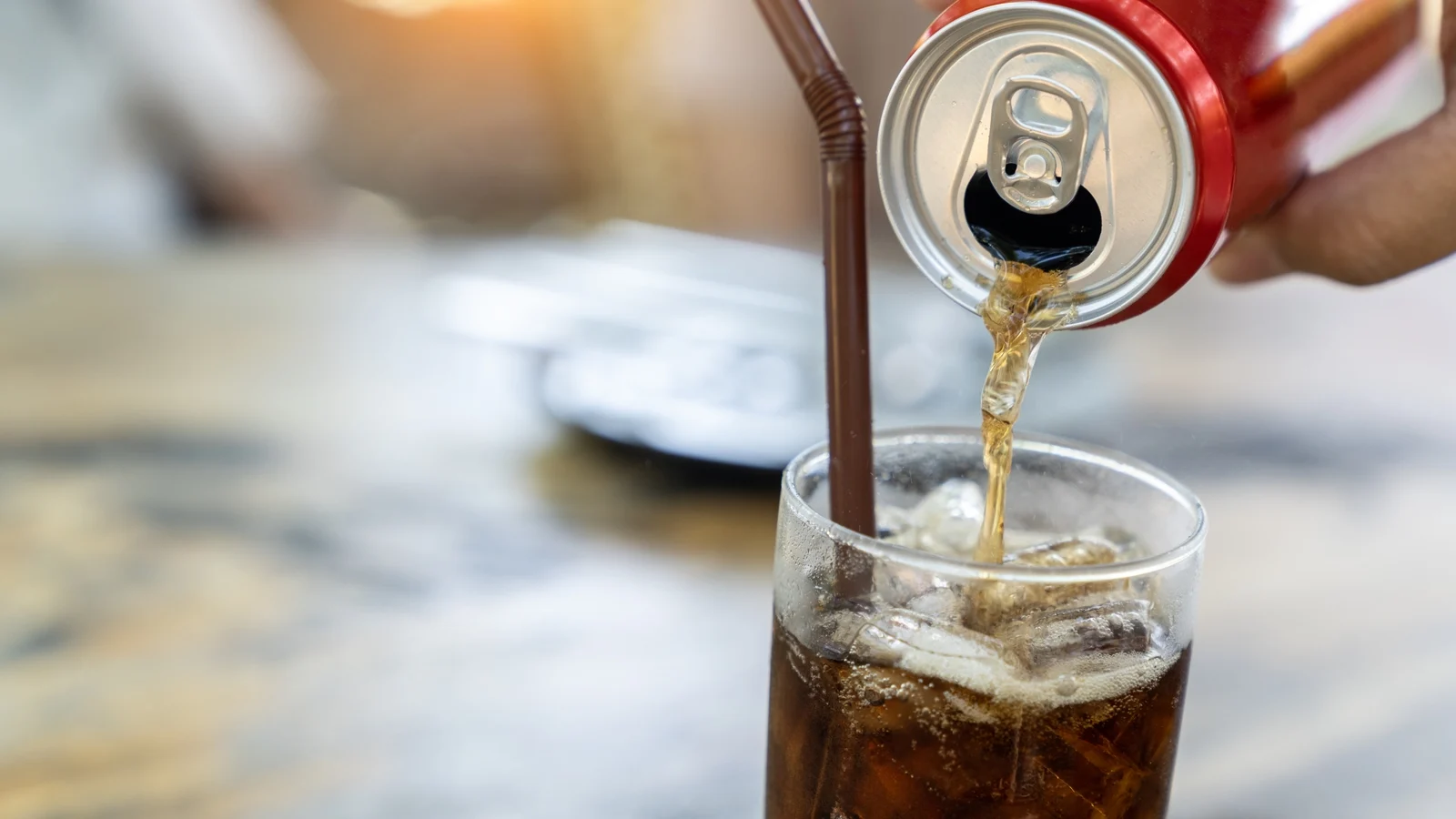
On a corner in Lagos, a boy trades a crinkling naira note for a chilled bottle of soda, popping the cap with a grin. In a suburb of Madrid, an office worker grabs a supermarket pack of beer on the way home, lured by a shelf price that seems almost designed to coax. These are ordinary moments, but they stitch together into something much larger: patterns of consumption that are quietly reshaping global health.
Two new World Health Organization reports pull the curtain back on how cheap sugary drinks and alcohol have become in many parts of the world — and why that affordability is undermining efforts to tackle chronic diseases such as diabetes, heart disease and certain cancers. Read plainly: price matters. What people can afford, they are likely to buy.
Affordability is rising — not falling
The WHO’s fresh analysis finds that sugar-sweetened beverages became more affordable in 62 countries between 2022 and 2024. In the same window, beer gained purchasing power in 56 countries. These are not just statistics; they are signposts pointing to trajectories of consumption that public-health experts, clinicians and community leaders say are deeply concerning.
“When a fizzy drink or an extra beer costs less than a bus ride or a snack, it changes decision-making at the household level,” says Dr. Amina Reza, a public-health economist who has worked with city governments in East Africa. “Affordability shifts behavior faster than education campaigns can. That’s why taxes — the right kind, designed carefully — are part of the toolbox.”
Why taxes?
The idea is simple, even if the politics are anything but. By nudging prices upward through taxation, governments can reduce consumption of unhealthy products while raising revenue for hospitals, prevention programs and social services. The WHO has been pressing this point for years: health taxes on tobacco, alcohol and sugar-sweetened beverages are proven public-health interventions when implemented thoughtfully.
But they are not popular. “They’re not a silver bullet,” a senior WHO official told me, closing a report that reads like both diagnosis and road map. “They can be politically unpopular and attract fierce opposition from industries with a lot to lose. Yet countries that get the policy design and the messaging right have turned taxes into one of their most effective public-health tools.”
Money where it matters — and when the money is needed
There is a fiscal argument, too. With development aid shrinking and public debt rising in many countries, governments are searching for sustainable ways to fund health systems and prevention work. The WHO’s “3 by 35” initiative aims to nudge countries to raise prices of sugary drinks, alcohol and tobacco by roughly 50% over a decade through taxation. Based on models from countries that have experimented successfully, the WHO estimates the approach could generate around €850 billion by 2035.
“That’s not just an accounting trick,” says Lucia Mendes, a policy analyst who studies fiscal health measures in Latin America. “It’s potential money for clinics, for school nutrition programs, for diabetes screening in rural regions. And because it’s tied to products that harm health, the revenue comes with a built-in prevention logic.”
Lessons from the front lines
Colombia, South Africa and Mexico are often cited as examples where price-based interventions moved the needle. In Bogota, mothers I spoke with recounted how local sugar taxes nudged store layouts, campaigns and even the snacks packed into lunchboxes. “We started looking for alternatives,” said María, a schoolteacher and mother of two. “At first it was hard — my daughter wanted the same bright can she always had. But then we found flavored water and she likes that now.”
In Cape Town, activists and health workers argue that South Africa’s levy on sugary beverages influenced manufacturers to reformulate products and reduced the sugar content in many beverages. “It’s a small victory,” said Sipho Nkosi, a community health worker. “But victories add up when they prevent a child from getting sick later in life.”
Powerful pushback — and how to respond
Opposition is relentless. Beverage and alcohol companies mount public campaigns, lobby policymakers and sometimes fund research that questions the benefit of taxes. The narrative is familiar: taxes hurt small businesses, penalize personal choice and fail to produce the promised health gains.
Yet several governments have found ways to blunt these claims. Transparent use of revenues — earmarking funds for health programs, school meals or healthcare access — helps win public support. So does tiered taxation that targets the most sugar-dense products rather than a blunt across-the-board charge.
- Transparency: Show voters where the money goes.
- Targeting: Tax the worst offenders, and incentivize reformulation.
- Mitigation: Protect small retailers and craft producers through exemptions or graduated measures.
More than economics: culture, identity and how we celebrate
We must also attend to culture. Drinks are woven into rituals — weekend barbecues, Ramadan iftars, fútbol match days, birthday fiestas. Taxes that ignore these social meanings can feel punitive. Policy design that recognizes and respects traditions while nudging healthier options is more likely to succeed.
“It’s not about banning joy,” a public-health nurse in Mexico City told me, smiling. “It’s about broadening what joy looks like—having shisha nights or street festivals with more water stations, cheaper fresh fruit, better choices on the menu. That’s how communities keep their culture and protect their kids at the same time.”
What does success look like — and who benefits?
Success isn’t only lower soda consumption or fewer drinks sold. It’s fewer new cases of type 2 diabetes, reduced hospital admissions, and a generation that grows up with different taste habits. It is also a stronger public purse to pay for the basics that make prevention possible: clean water, primary care, and nutrition programs.
So ask yourself: would you rather your municipal budget pay for another ad campaign or for prevention programs that can keep your neighbor out of hospital? How much should convenience cost when convenience carries a health price tag?
Looking beyond the ledger
The WHO’s reports push governments to act, but they also push citizens to imagine a future where affordability isn’t an unthinking ally of unhealthy products. Policies will not solve everything — but combined with education, access to healthy foods and community-led approaches, taxes can be a nudge toward healthier norms.
“We are not saying taxes will heal everything,” Lucia Mendes reminded me. “But if we have a tool that reduces harm and raises money for health, and we can use it in ways that protect the vulnerable, then why wouldn’t we try?”
Where do we go from here?
Expect debate. Expect resistance. Expect experimentation. And expect that ordinary moments — a boy in Lagos choosing a drink, a tired commuter in Madrid picking a beer after work — will continue to shape global health outcomes in quiet, powerful ways.
What if affordability were used to make the healthy choice the easy choice? Would you support a small tax if it meant your local clinic could run more prevention programs? The answers we give will help determine whether next year’s WHO reports show a reversal in these trends — or a deepening of a preventable crisis.