Back in the Ring of Daily Life: Anthony Joshua’s Quiet, Complicated Return
There are comebacks that roar, and there are comebacks that whisper. On a grey morning in a private gym—no lights, no cameras, only the familiar rhythm of gloves on pads—Anthony Joshua chose the latter.
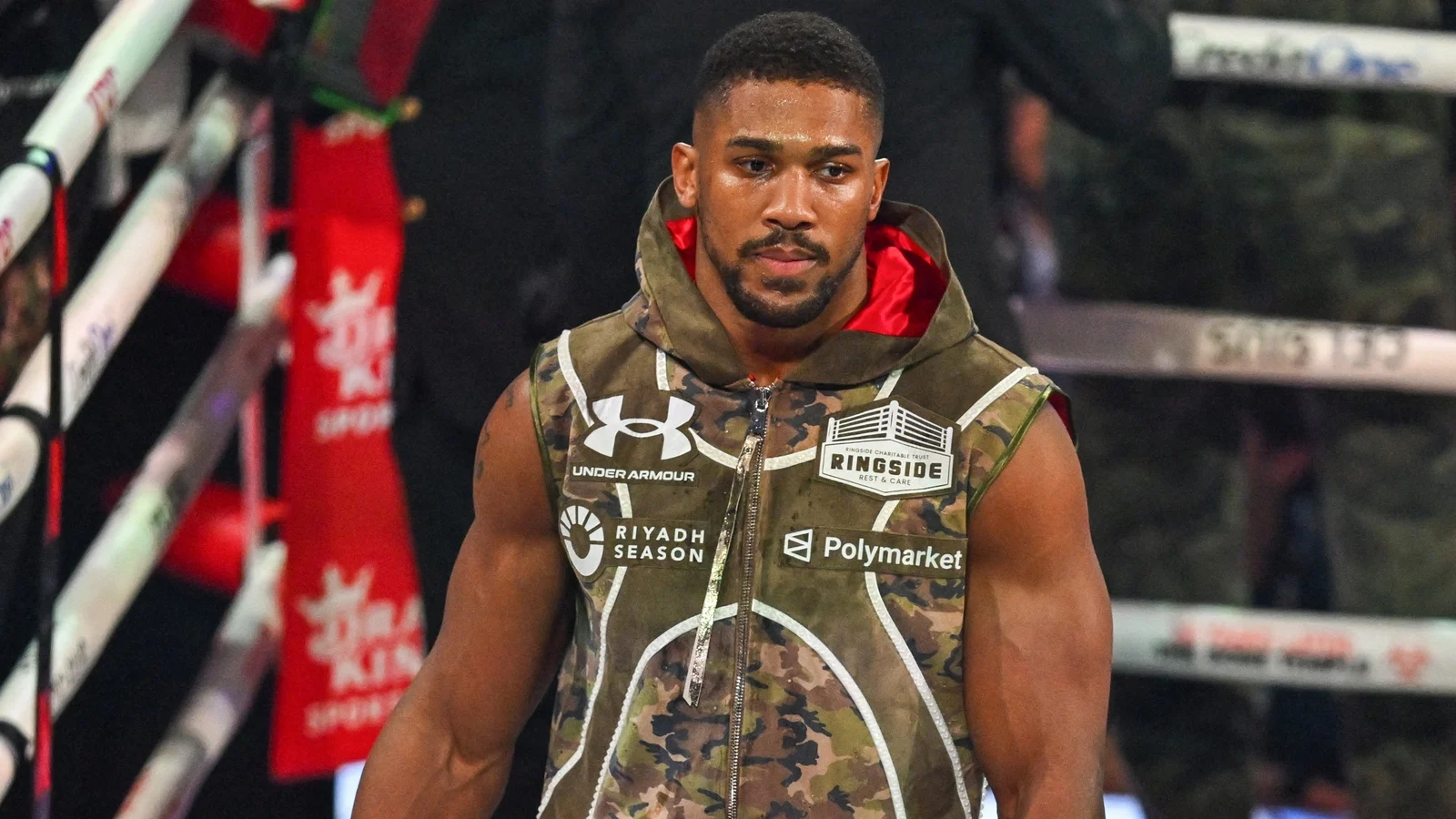
The boxing world watched, then paused. A short video posted to Snapchat showed the towering fighter moving through familiar rituals: mitt-work with a trainer who stood off-frame, steady rounds on a stationary bike, measured footwork, the soft exhale after a hard sprint. A caption floated across one clip: “mental strength therapy.” It was simple, human—and it landed like a quiet announcement that life, unbearably, goes on.
The loss that followed a holiday
Joshua, 36, had been in Nigeria on holiday after his recent win in Miami, a trip that was meant to be celebration and connection: family gatherings, old friends, the warmth of homecoming. Instead, a road crash on 29 December left two of his close companions dead—Sina Ghami, who had acted as his strength and conditioning coach, and Latif “Latz” Ayodele, a longtime trainer and confidant.
The details of the crash have been passed along in police statements and somber social-media posts. For Joshua it has become a private catastrophe made public: the crushing, disorienting work of grief layered on the physical demands of a sport that prizes resilience above almost everything else.
Inside the short film of recovery
The Snapchat clips were not a press conference. They were vignettes: Joshua tethering himself to routines that have carried him through Olympic gold and stadium nights—speed, repetition, breath. “Sometimes the hardest work is not about conditioning your body but teaching your heart to move,” read a caption under one frame. It felt like therapy, a way to calibrate strength without the fanfare.
“I saw him—focused, quieter than usual,” said a close friend who has spent summers with Joshua in Lagos and asked not to be named. “He’s not trying to put on a brave face. He’s just doing what he knows: working. But there’s a sadness. You can see it in how he pauses between rounds.”
Names, faces, and the small human rituals
Sina Ghami and Latif Ayodele were not public figures in the way Joshua is, but among those who knew the fighter they were essential. Ghami’s role as a strength and conditioning coach meant he worked in those in-between hours—warming up pads at dawn, driving recovery sessions into the night. Ayodele’s nickname, Latz, was a sign of affection; he had been in gyms long enough to know how to steady a man as he moved through peaks and troughs of public life.
At the roadside memorials that appeared in the weeks after the crash, flowers and rosary beads mixed with the crisp smell of fried plantain and suya—small things that made the scene unmistakably Nigerian. “People came who didn’t know them,” said a neighbor outside the area where some mourners gathered. “They came because when you lose someone close to a hero, it feels like you lose someone from your street.”
What grief looks like for an athlete
The image of a champion circling a punching bag is as old as the sport. But what happens when that circle is broken by grief? Sports psychologists say the process is neither straightforward nor bound by timelines.
“Athletes often feel pressure to ‘return’ quickly—sponsors, fans, schedules all press against the slow, messy work of mourning,” explained Dr. Maya Okoye, a sports psychologist who works with elite athletes on trauma and rehabilitation. “The fact that Joshua is back in the gym is not a sign he’s over it. It’s a way of staying anchored. Still, effective recovery isn’t just physical; it requires time, ritual, and people who let him both grieve and rebuild.”
Public health data reminds us that grief and trauma are global concerns with local inflections. The World Health Organization estimates roughly 1.3 million people die on the world’s roads each year—behind many of those numbers are families, communities, and the ripple effects that reach far beyond a single headline. In countries like Nigeria, where roads can be precarious and emergency response stretched, those statistics are painfully present in town squares and living rooms.
Voices from the margins: local responses
In the neighborhood where the crash occurred, people described a mixture of sorrow and a strange, stoic pragmatism. “We mourn, yes, but we also make space for life to continue,” said Ife, a shopkeeper who sells soft drinks and late-night snacks near the junction. “People came with food, with stories. In Nigeria we say: ‘It is in the hands of God.’ That doesn’t stop the pain, but we surround one another.”
Another mourned the loss of two men who had been quiet pillars for someone whose name filled stadiums. “They were the ones who made the big man comfortable,” said a trainer from a local gym. “They looked after him without wanting to be seen. That’s why their deaths are being felt by so many.”
Industry perspective: a promoter’s patience
From the other side of the Atlantic, Joshua’s promoter has urged patience. “We’ll let him heal,” Eddie Hearn said in a recent statement, expressing belief that Joshua will return to the sport when he is ready. “Boxing will be here. Right now he needs time—time to grieve and time to gather himself.” Whether in press rooms or whispered conversations in a gym, that sentiment has resonated: the future of a public career should not dictate the cadence of private healing.
What follows next—and what we can learn
How do we, as spectators and citizens, measure strength? Is it the ability to step back into the ring immediately, to stare down cameras and competitors? Or is it the quieter ability to allow wounds to mend in public, to accept help, and to slow down?
Joshua’s situation asks that question aloud. For fans, for critics, for people who care about sport as both theater and livelihood, there is a lesson in humility: athletes are archetypes and they are human. Both truths matter.
He may one day stand under the big lights again—swinging, measured, triumphant. Or his return may be more private, a gradual reclaiming of rhythm: morning runs, pad work, laughter in dressing rooms. Either way, the story unfolding now is not just about a fighter getting back to training. It’s about mourning, memory, and the strange alchemy that turns grief into the fuel for a life remade.
What would you do if the script of your life changed overnight? How do we hold space—for public figures and private friends alike—when they are both visible and vulnerable? Take a moment to listen to the sounds of the gym, and imagine the echo of a glove on a pad: small, steady, insistently alive.