Snow, Silence and Sorrow: The Alps Grapple with a Deadly Week of Avalanches
The mountains do not always speak loudly. Sometimes they whisper, and sometimes—after a night of heavy snowfall—they roar without warning.
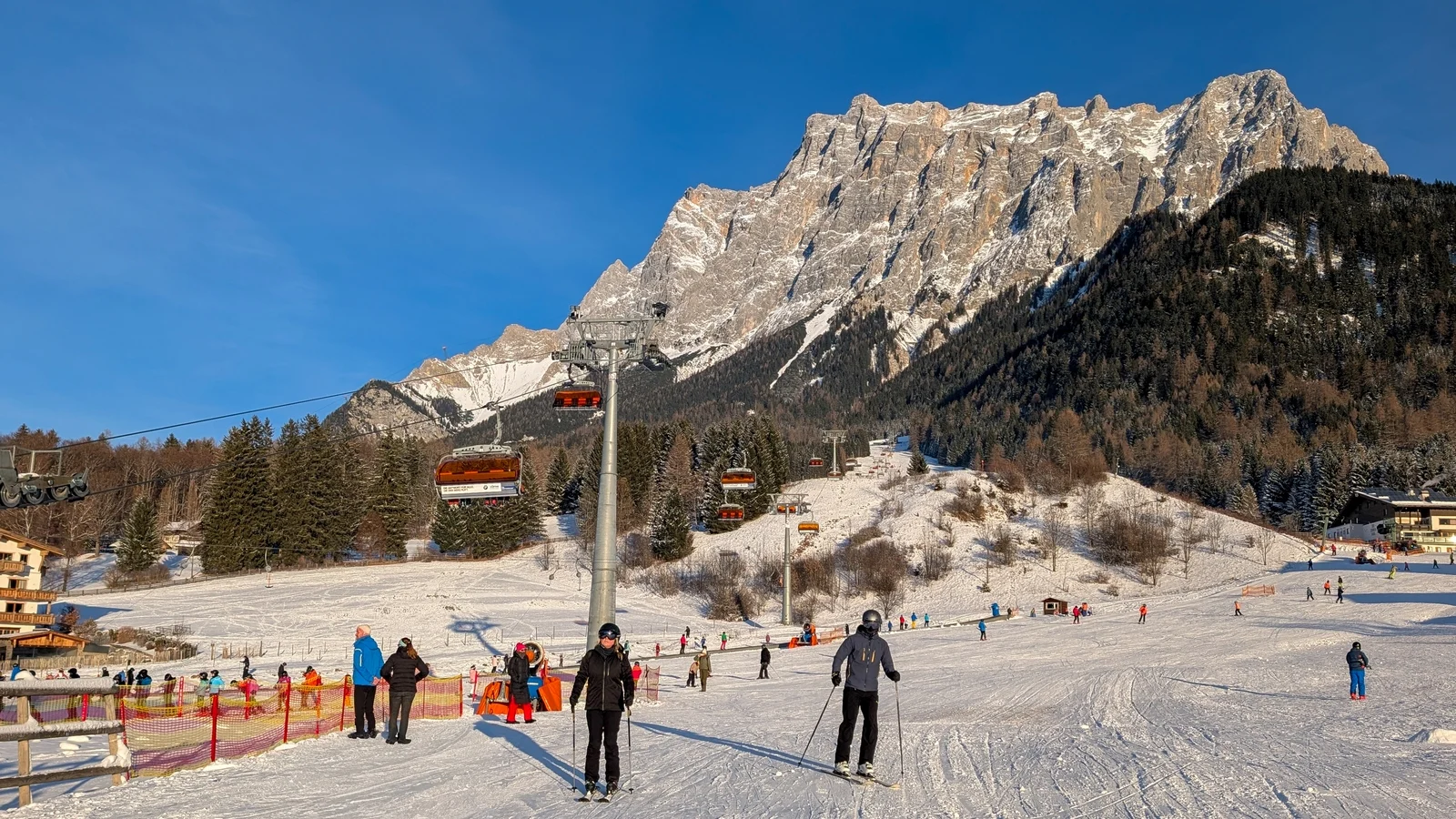
On a crisp morning in the Pongau region near Salzburg, Austrian rescue helicopters cut through a blue sky streaked with contrails, dropping ropes and hope into a landscape that moments before looked like a postcard: thick pines bowed under fresh snow, cornices rimed in white. By midday the postcard had been torn. An off‑piste avalanche smashed through a group of seven ski tourers, killing four people and leaving another gravely injured. A separate slide in the same area pulled away a woman who could not be saved. By the time rescuers were leaving the snowline, five lives had been claimed in Austrian mountains that have sustained an unnerving rhythm of tragedy this season.
What happened in Pongau
The details are heartbreaking in their ordinary cruelty. The group had been traveling off marked trails, a practice known as ski touring that has become increasingly popular. The avalanche swept with the speed and finality of a freight train; witnesses and rescue teams described scenes of chaos—shovels frantically probing, dog teams scratching at the surface, the metallic whine of helicopter rotors.
“This is a bitter reminder of how fragile the margin for error is right now,” said Gerhard Kremser, district head of the Pongau mountain rescue service. “We had issued clear warnings about avalanche danger. People still went out. Families are grieving because of a choice that carries known risks.”
Four rescue helicopters, mountain rescue personnel, Red Cross dog teams and a crisis intervention unit were rushed to the scene. Rescuers fought against deep drifts and unstable layers of snow to locate the buried, and to try to keep the possibility of survival alive.
“We do everything we can,” said Anna Müller, a volunteer with a local ski patrol, her voice hoarse from the cordite of effort and sorrow. “The mountains take time to forgive. But people—friends, fathers, sons—are not easily replaced.”
A pattern unfolding across the Alps
The deaths in Pongau add to a grim tally of avalanches across the Alpine arc in recent days. A 13‑year‑old skiing off‑piste in Bad Gastein died earlier in the week; a 58‑year‑old ski tourer lost his life in Weerberg in Tyrol last Sunday. In neighboring Switzerland a German man was killed and four others injured while cross‑country skiing. France, too, reported multiple fatalities over the weekend—six skiers lost to avalanches at various resorts.
Across the region, the chorus of mourning has become louder. Local mayors, ski instructors, and mountain rescuers are all telling the same story: more people are seeking quiet slopes beyond the groomed runs, and the mountain’s temperament—winter’s layering of storms, wind slabs, sun crusts—has rarely been so complex.
“We have seen a steady rise in backcountry activity in the last five years,” said Dr. Elena Rossi, an avalanche scientist at the University of Innsbruck. “Partly it’s the desire for solitude and untouched snow; partly it’s the economics of ski holidays. But the snowpack is changing too. Warmer spells interspersed with heavy dumps produce weak layers that can persist for weeks.”
Experts point to a multifaceted mix: increased human exposure, evolving recreational patterns, and meteorological quirks. The European avalanche warning services use a five‑level danger scale; in recent days many valleys reported danger at the ‘considerable’ to ‘high’ end of that scale following successive storms. When that happens, even experienced tourers can be caught out.
The human stories behind the headlines
Numbers numb. Names make it real.
A husband who called authorities after his wife was swept away stood by the rescue hub wrapped in a weathered jacket, his hands jammed into his pockets as if to steady a trembling body. “She loved the mountains,” he said in a voice that did not rise above a whisper. “We married because she had a map in her head—she always knew where to go. I do not know how to map a life without her.”
A ski instructor from a nearby resort, leaning against a rescue vehicle, spoke in blunt, weathered terms. “People think they’re pioneers. They download trail apps, strap on fat skis, and they go. They forget the mountain’s memory—layers from storms two weeks ago are still unstable. Respect the red flags.”
Rescue work on the razor’s edge
Rescue teams across the Alps are stretched thin. The immediate response to an avalanche—searching within the so‑called ‘golden hour’ when survival probabilities decline steeply—requires manpower, trained dogs, helicopters, and equipment. In Pongau, that effort was marshalled quickly, but the weight of snow and the time it takes to dig through meters of avalanche debris are relentless adversaries.
“Our teams train for these moments, but training doesn’t take away the ache,” said Franz Huber, a mountain rescuer. “Every recovered identity is a story, a family—sometimes children. We build resilience, but grief follows closely.”
What this week tells us about risk, nature, and choice
So what are we to make of this rash of avalanches? Is it simply bad luck, or part of a larger pattern?
There are no easy answers. Winters will always be capricious. But there are trends worth noting. More people are seeking backcountry experiences, and at the same time, weather systems are delivering heavier, more rapid snowfalls in short bursts—conditions that can create unstable, dangerous layers.
“We have to marry respect for the mountains with respect for data,” Dr. Rossi urged. “Education—avalanche courses, beacon practice, checking bulletins—saves lives. So does humility.”
Practical steps—and an invitation
For those who still hear the call of the silent slopes, the rules are simple and uncompromising. Carry the right gear. Travel with companions who know how to use the gear. Check avalanche bulletins. Get training. And when warnings are high, choose safety over solitude.
Here are basic recommendations from mountain rescue services:
- Always carry an avalanche transceiver, probe, and shovel—and know how to use them.
- Take an accredited avalanche safety course before going off‑piste.
- Check the regional avalanche bulletin and heed local warnings.
- Travel with experienced partners and maintain visual contact.
- Consider hiring a local guide when unfamiliar with terrain.
Ask yourself: what is the value of a perfect run if it costs a life? Is the private thrill worth the public grief?
Grief, memory, and the long season ahead
Austria wakes today to another tally in a winter that will not easily be counted. The mountains endure, indifferent and magnificent. Humans, by contrast, will carry these losses into kitchens and classrooms and ski lift lines, retelling an experience that has been made smaller and sharper by the absence of those who died.
“We go up to feel alive,” said a local café owner in Pongau, stirring a pot of soup as skiers passed with red cheeks and hungover smiles. “But life is fragile up there. The mountain owes us nothing. We must go with care.”
If the week’s avalanches teach us anything, let it be not only a lesson about the physics of snow, but about how communities respond to tragedy—through rescue, through grief, and through renewed calls for caution. The Alps will continue to draw us. Let them be the place where respect is repaid as often as risk is taken.