A New Kind of Standoff: When Tariffs Meet Diplomacy
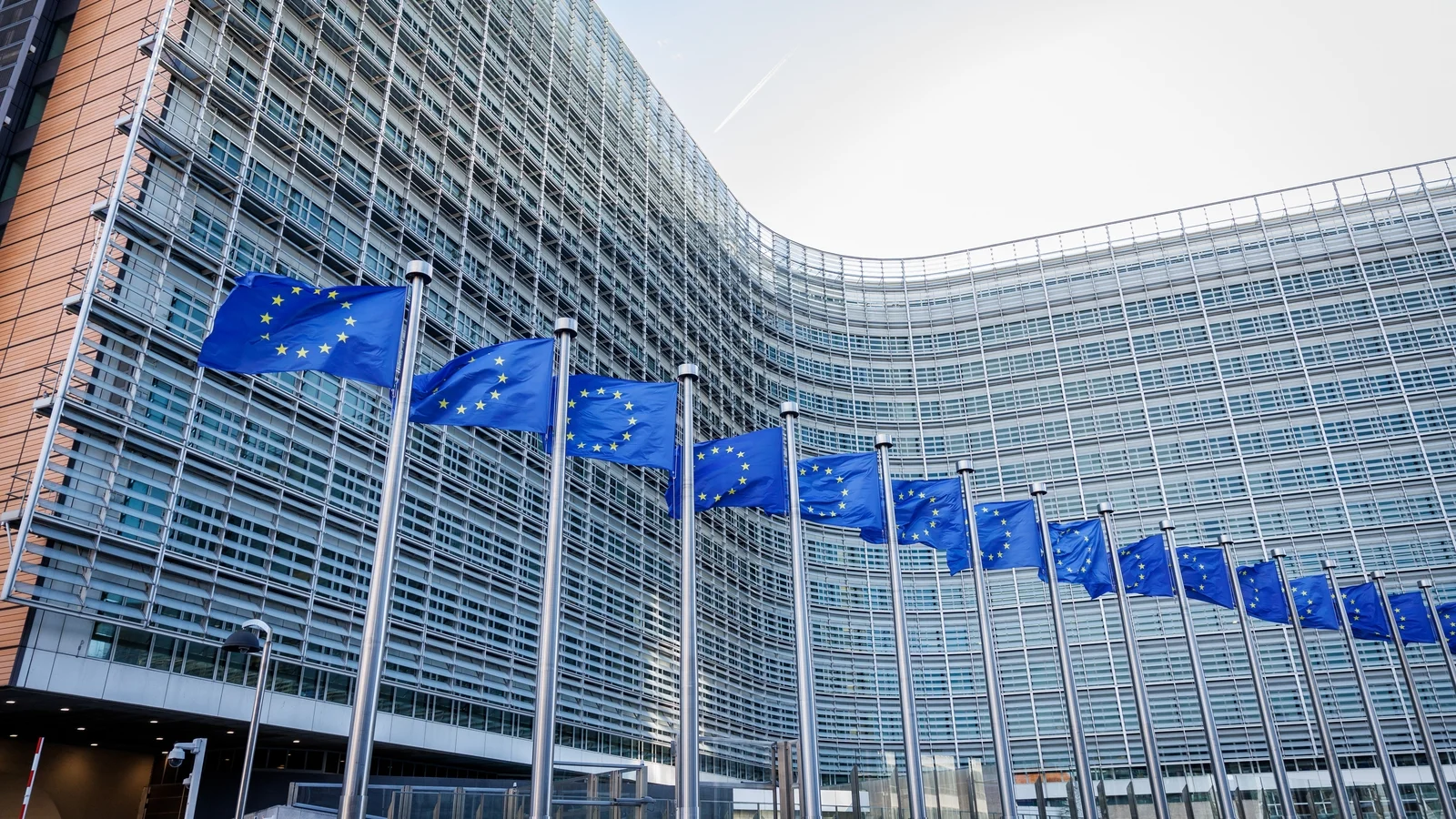
On a crisp morning in Brussels, beneath the glass facades where the European Union’s policy machinery hums, conversations that usually center on subsidies and standards took on a different tone: alarm edged with a fierce, almost personal dignity.
It began as a flurry of headlines — a U.S. president publicly threatening steep tariffs against a clutch of European nations unless Greenland, a vast Arctic territory, were handed over to American control. For many in the corridors of power here, it felt less like the choreography of trade negotiations and more like a diplomatic provocation: a test of how a rules-based world copes when coercion becomes the instrument of statecraft.
“We’re not used to being spoken to like this by our closest partners,” said a senior trade official at the European Commission, who asked not to be named. “It’s not just economics. It’s about sovereignty, trust, and the precedent it sets.”
What Brussels Has in Its Arsenal
Brussels, in turn, has a tool of its own — one crafted explicitly to push back against economic pressure from outside the bloc. Officially born in 2023 after a spate of worrying episodes, the anti-coercion instrument (ACI) sits on paper like a compact with teeth: an authorization for the EU to impose targeted trade and investment countermeasures when a third country uses — or threatens to use — commercial levers to influence the sovereign choices of member states.
The instrument has become known in some quarters as a “bazooka” or, more colorfully, an “economic nuclear option.” Those metaphors capture its symbolic weight: it’s less about detonating markets and more about signalling that coercion will not go unchallenged.
How it actually works
Here’s the machinery in plain language. Both the European Commission and individual member states can request activation of the ACI. From there, a checklist of thresholds and timelines kicks in:
- At least 55% of EU member states must vote in favour, representing at least 65% of the bloc’s population.
- The Commission can spend up to four months investigating allegations of coercive measures.
- Member states then have eight to ten weeks to back any proposed response.
- If approved, the Commission can design measures, which could be brought into force within about six months — though Brussels calls the timeframe indicative rather than rigid.
Behind those abstract intervals lies real power: the EU’s single market of roughly 450 million consumers. The ACI allows for import and export restrictions, limits on access to public procurement, and other calibrated actions that can target not only goods but services — a particular leverage point given the United States’ longstanding services surplus with the EU.
Why This Moment Matters
To understand the urgency, you have to picture the map. Greenland — icy, sparsely populated, strategically poised at the gateway to the Arctic — matters less for GDP than for geopolitics. Its potential for mineral wealth, shipping routes as ice recedes, and military positioning has made it a focus for major powers. But what’s at stake in Brussels isn’t Greenland alone. It’s whether the pillars of global commerce can withstand the pressure of diplomatic coercion.
“If an ally can attempt to use tariffs to extract territory, what’s to stop that tactic from spreading?” asked Dr. Lina Ortega, a geopolitical economist at the University of Amsterdam. “We’re talking about a shift from trade policy to power projection.”
France’s head office has publicly mulled countermeasures; voices in the European Parliament have urged activation. The leader of the Renew group in Brussels, Valérie Hayer, captured the tenor of the moment bluntly: “The anti-coercion instrument is our economic nuclear weapon,” she said, invoking the language of last-resort deterrence. The phrase spread quickly through parliamentary corridors and social feeds alike.
Faces and Voices: What People on the Ground Are Saying
In Nuuk, the capital of Greenland, fishermen folding nets by neon-painted shacks paused when asked about the spectacle on TV. “We’ve been here for generations,” said Aqqalu, a fishing boat captain. “People come and talk, governments make deals, but you don’t just treat a place like a chess piece.”
In Copenhagen, a café just behind the Danish parliament bustled with locals nervously refreshing news apps. “Denmark has always had a special bond with Greenland,” said Sofie Nielsen, a social worker. “We don’t want barbeque diplomacy — deals made like buying a house.”
And in Brussels, a procurement lawyer who has advised member states on public tenders leaned back and smiled ruefully. “If this goes to its logical end, targeted limits on US firms’ access to European procurement could be very disruptive,” she said. “Think of contracts worth billions — this is leverage that concretely matters.”
Origins and Precedents
The instrument’s creation traces back to a distinct episode: when Lithuania accused China of effectively blocking its exports after Vilnius allowed a Taiwanese representative office to open in 2021. That case crystallized a new fear: economic dependencies being weaponized to bend democratic decisions.
“Vilnius felt the weight of coercion,” recalled Tomas Vaitkus, who led a civil-society trade group in Lithuania. “The ACI was a message: we will not let trade be used to erase our democratic choice.”
What Could Be Targeted?
If the EU does move, it has several levers at its disposal. Possible targets often mentioned in policy circles include:
- Restrictions on certain imports or exports
- Limits on access to the EU’s public procurement market for specific foreign firms
- Targeted measures against service sectors where the U.S. enjoys surpluses
Among those in the crosshairs could be large American technology companies — not because Brussels wants to “punish” them per se, but because tech plays an outsized role in services trade and public contracts. “You pull on one thread — procurement restrictions — and you can create significant negotiation space,” explained Dr. Ortega.
Questions Worth Asking
What happens to alliances when economic instruments replace quietly whispered diplomacy? How will smaller member states feel in a bloc-wide decision to confront an ally that is also a major trading partner? And perhaps most pressingly: will the activation of such instruments harden global divisions rather than resolve them?
The ACI is not a magic wand. Its activation requires political consensus across a diverse union and a patient timeline measured in months. Yet even opening the investigation stage sends a message — a red line drawn in a newer, economic language.
Looking Ahead
Walk the streets of Brussels and you’ll hear exasperation, strategic calculation, and a deep desire not to burn bridges. “We need to defend our values and our members,” said the Commission official, softly. “But we also need to keep working with partners on climate, security, migration — on things that matter. This is about setting rules, not making enemies.”
For citizens paying attention, the spectacle should raise a larger question: are we prepared for a world where trade becomes the blunt instrument of diplomacy? As the EU debates the use of its anti-coercion tool, the answer may shape not just who pays tariffs, but how nations treat one another when stakes are high and the rules are fragile.
So, what would you do if the instruments of commerce became the instruments of pressure? Would you prefer firm countermeasures to defend sovereignty — or softer diplomacy, risking precedent? The choices Europe makes now could be the blueprint for the next decade of international relations.