Night Landing: A Plane, Families, and the Quiet Aftermath of a Political Storm
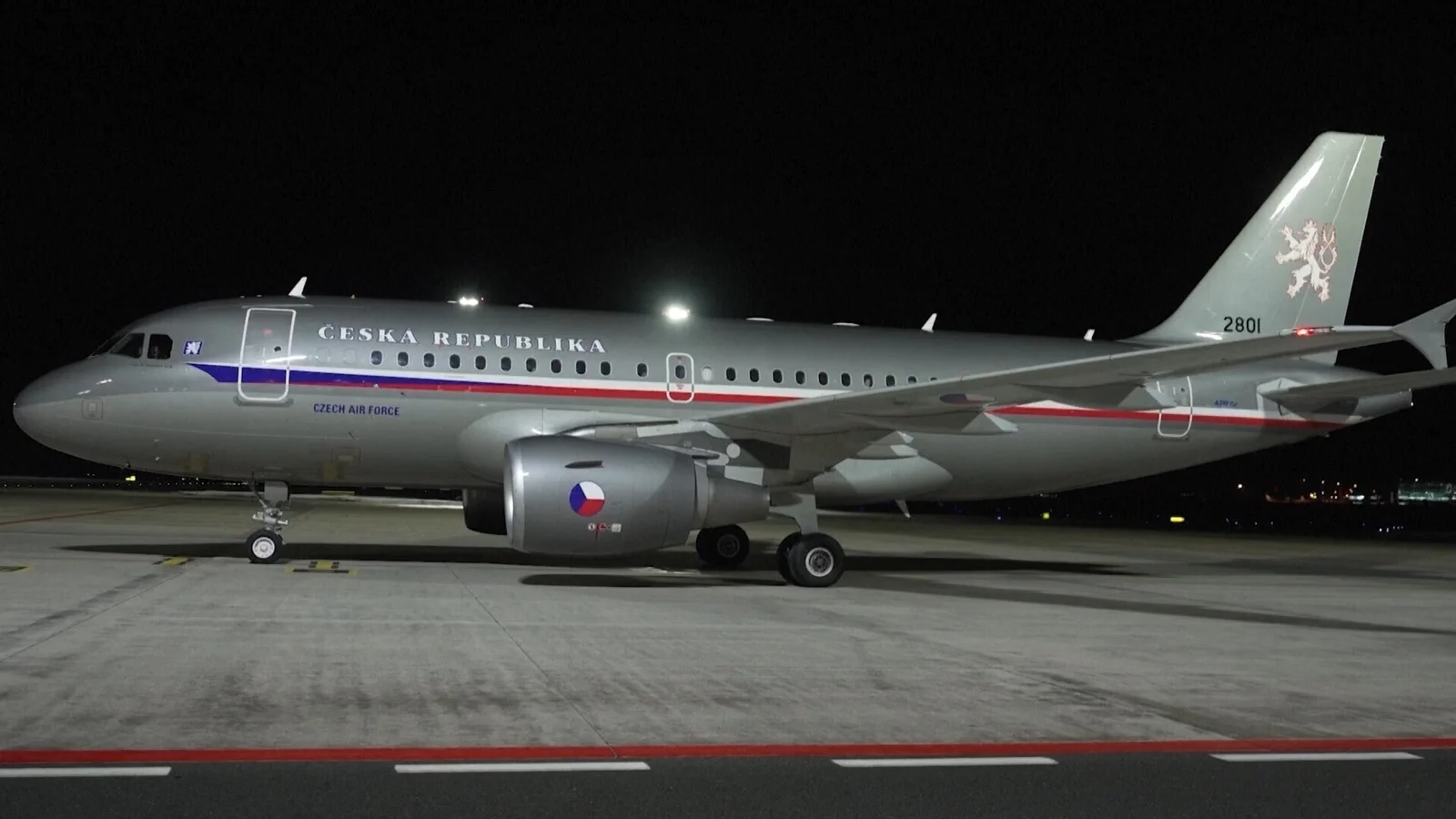
They came down the jetway under a strip of cold lights, blinking against the damp Prague night as if waking from a long, bad dream.
On the tarmac at Václav Havel Airport, relatives clustered together in coat collars zipped to their chins. There were flowers—simple, homegrown bouquets wrapped in plastic—and the small, stubborn rituals people bring to moments that matter. A woman in her seventies clutched a thermos and a handwritten sign. A teenage boy traced a name on his phone over and over. Cameras clicked. A child asked, softly, “Are they tired?”
They were waiting for passengers who had just returned from a saga that had been playing out across continents: the release and transfer of foreign nationals detained in Venezuela. Among them, Irish, Polish, Romanian, German, Albanian, Ukrainian, Dutch—and a Czech citizen, Jan Darmovzal, who had been held since 2024 on allegations he intended to participate in a plot against then-President Nicolás Maduro. Czech officials have long maintained his detention lacked due process.
Arrival and Relief
By the time the jet rolled to a stop, the airport was awash with the low hum of people trying to reconcile months — in some cases years — of absence and fear with the bright, immediate reality of reunion.
“We kept the window open every night,” said one woman waiting for her brother, wiping her eyes with the back of her hand. “You don’t stop hoping. You just move from day to day.” Her voice was steady but small. Around her, strangers murmured solidarity; a man offered his sandwich as if kinship could be traded in bits.
A spokesperson for the Irish Department of Foreign Affairs, when asked about an Irish citizen on the flight, confirmed the department was aware of the case and had provided consular assistance. Beyond that, governments and families have been careful with details—as if treating the fragile work of repatriation with the same delicacy one might give a small bird still catching its breath.
The Context: Releases After a Dramatic Turn
These departures did not happen in a vacuum. They followed reports that the United States captured Venezuela’s embattled leader, Nicolás Maduro, earlier this year — a development that unleashed a flurry of political promises and diplomatic maneuvers. Venezuelan officials and some international actors said many prisoners would be freed in the wake of the capture; Caracas later announced more than 400 people had been released. Human rights organizations caution the numbers are likely lower.
“What we’re seeing is not simply a transfer of bodies across borders,” said a London-based human rights lawyer who has worked with detainees from Venezuela. “It’s the slow unspooling of political narratives — and the human consequences are profound. Families have been fractured. People have been detained under opaque processes and then thrust back into societies that have moved on without them.”
For Jan Darmovzal, the story had the particular contours of a Cold War-era headline. Detained in 2024 on accusations of conspiring to assassinate Maduro and overthrow the government, Czech authorities said he was imprisoned without charges and denied a fair trial. Foro Penal, a Venezuelan rights group that has tracked political detentions for years, described his detention as politically motivated.
Voices from the Ground
“I spent nights awake, imagining every outcome. It makes you older,” said a woman who identified herself only as a friend of one of the freed passengers. “But when he walked down those stairs, I recognized him and I didn’t recognize him. He was older. The same, but smaller in some way.”
A volunteer working with returning nationals described a scene at the airport where customs officers and diplomats moved with practiced efficiency, shepherding people through paperwork and to reunions. “There were smiles,” she said, “but mostly it felt like a drawing in of breath—a long, careful intake before the work of healing begins.”
Numbers and Doubts
The numerical dimension of this story is messy, and intentionally so. Venezuela’s government has framed the returns as part of a broader clemency and reconciliation effort; Caracas announced more than 400 releases. Independent rights groups, however, say that tally is inflated. Foro Penal and other NGOs have documented cases of wrongful imprisonment across recent years and warn that many detainees remain behind bars.
Whether the transfers represent a genuine opening or a tactical recalibration is a question that will be debated in conference rooms and commentary columns. But the human cost is plain: for every official statistic, there are faces in arrivals halls, small rituals of reconnection and the long shadow of trauma to navigate.
Why This Matters Beyond Prague
What does it mean when foreign nationals get caught in the machinery of another country’s justice system? How do geopolitical maneuvers—raids, captures, negotiations—filter down into the daily lives of ordinary people who happen to be in the wrong place at the wrong time?
These are not rhetorical quibbles. They speak to larger trends in 21st-century geopolitics: the use of detention as political leverage, the fragility of legal protections when states assert extraordinary powers, and the evolving role of consular diplomacy in protecting citizens abroad. In an interconnected world, a crisis in Caracas can become a family reunion in Prague—or a diplomatic incident in Dublin—overnight.
After the Headlines: The Long Work of Return
Repatriation is discrete, but reintegration is an open-ended task. Returning citizens may need medical care, psychological support, legal help to clear records, and a stable environment to rebuild their lives. Governments often furnish immediate assistance—emergency housing, travel arrangements, consular help. But the quieter forms of recovery are community-based and slow.
“People say ‘welcome home’ as if that solves everything,” a social worker who helps returnees said. “The truth is home can feel unfamiliar. Jobs are different. Friends have moved on. Some people are grateful and relieved; others are haunted. We have to be ready for the full spectrum.”
For those at the airport last night, home arrived with the small, visible signs of relief. Hugs that lasted longer than etiquette would suggest. A small boy who insisted on carrying his father’s bag. Conversations that alternated between laughter and silence. The rest will take time—months, maybe years.
Questions to Carry Forward
As a global audience, how do we hold together the big-picture debates—sovereignty, human rights, international law—with the intimate realities of families and individuals? How should governments respond to claims of politically motivated detentions without slipping into punitive cycles that harm civilians?
These releases are a reminder: at the center of geopolitical chess are human beings, not pawns. And when the game shifts, it’s the lives of ordinary people that get rearranged.
So as you read about flights and figures and statements from capitals, spare a thought for the quiet rebirths in arrivals halls and the long, unglamorous work of repair that will unfold long after the headlines move on.