One Year In: The America of Trump 2.0 — A Walk Through a Changed City and a Changed World
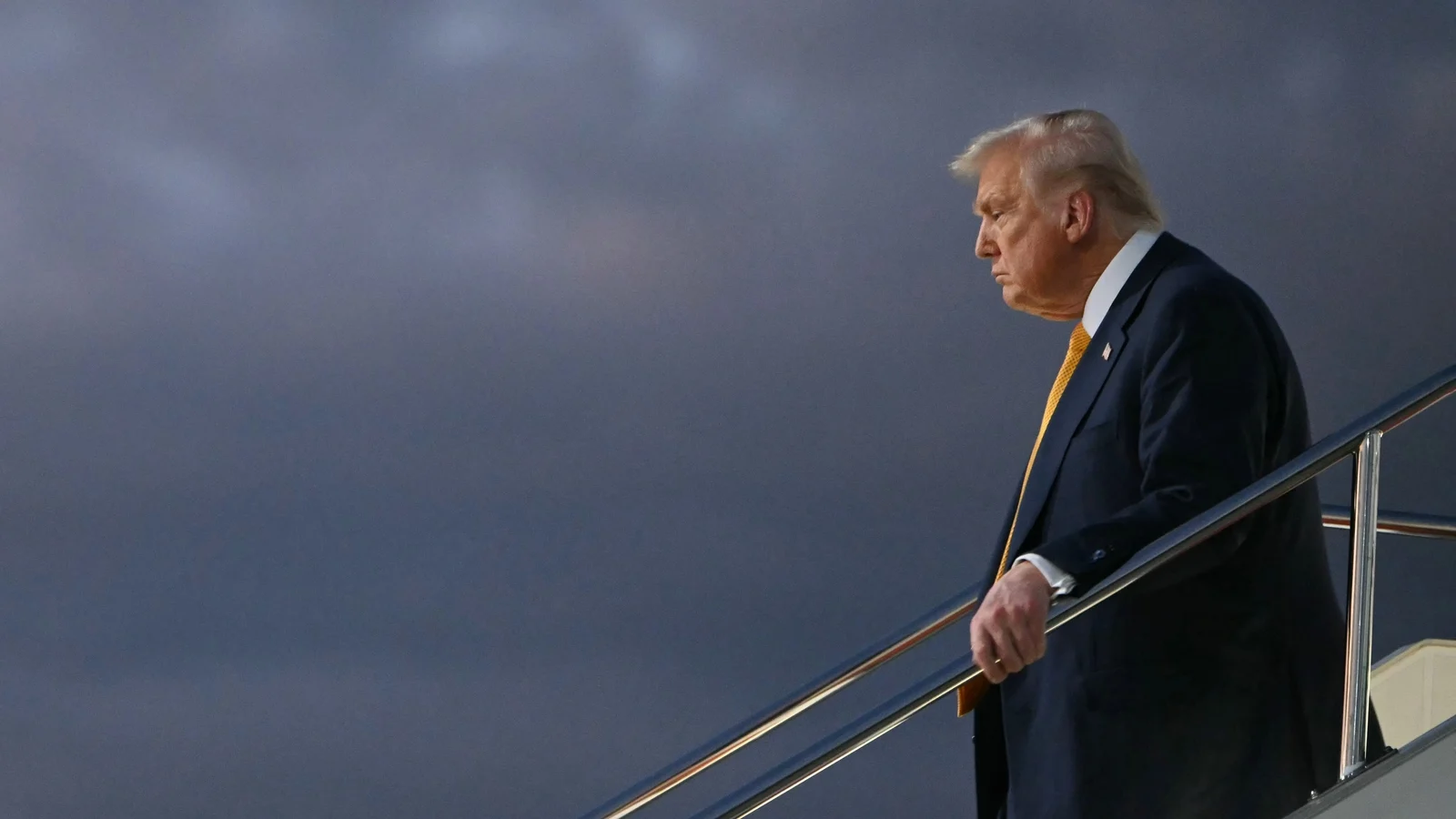
On a cold January morning, the flags along Pennsylvania Avenue snapped like dry pages. The security perimeter felt wider, the blank-faced cameras more numerous. A year into his second term, President Donald Trump has remade parts of Washington the way a sculptor chips at marble—decisive, public, and unapologetic.
Walk down to the corner where tourists once posed for the obligatory White House selfie and you’ll find a different rhythm. The coffee shop windows carry the same smudges, but the conversations are sharper. “You can feel the shift,” says Maria Alvarez, 48, who has run a bakery near Lafayette Square for two decades. “Some people stand up straighter. Others keep their heads down. Either way, fewer people linger.”
What Changed—and What It Feels Like
If you try to map the past year in neat bullet points, the list is long: a steady expansion of executive authorities, high-stakes negotiations with long-standing allies, and policy gambits that landed like sudden gusts—toppling expectations, rearranging alliances.
“We made a conscious decision to use every tool available,” a senior administration official told me, asking not to be named. “The presidency is meant to be strong in a world that is getting harsher. We accepted the trade-offs.” The tone is pragmatic, sometimes almost clinical. The consequences are not.
For ordinary people, those “tools” meant different things. In a rust-belt town outside Cleveland, factory foreman Jamal Reed described a landscape of wins and losses. “We got more contracts, more chatter about bringing plants back,” he said. “But contractors are different now. It’s louder, more competitive, and not all of it has trickled down.”
Power in Practice
Over the past year, the administration leaned on executive orders, emergency authorities, and regulatory retooling to push through priorities quickly. Supporters praise the speed: where Congress moves like a glacier, executive action moves like a river. Critics see an erosion of checks and balances, a trimming of institutional thickness that once buffered rapid swings in policy.
“There’s a real constitutional tension here,” said Dr. Laila Singh, a constitutional scholar at a major university. “When the executive branch grows bolder and Congress is quieter, the balance of power tilts. That’s not inherently illegal, but it tests our norms.”
Foreign Policy: Recalibration, Realignment, Ripples
On the global stage, U.S. diplomacy under Trump 2.0 looks less like a steady postwar orchestra and more like a jazz ensemble where the lead improvises. Allies have been pushed to renegotiate roles and terms; adversaries have tested seams. Trade deals were revisited, military commitments reassessed, and rhetoric oscillated between confrontational and transactional.
A European ambassador I spoke with described the atmosphere as “strategic impatience”—a sense that long-standing security assurances require new proofs. “It’s made capitals across the Atlantic take inventory,” she said. “Not because they want to leave a partnership, but because they need to know where the floor is.”
That vagueness has consequences. Businesses that rely on predictable supply chains wrestle with new tariffs and shifting standards. Humanitarian groups watching refugee movements and aid corridors find planning complicated by sudden policy changes. Meanwhile, diplomats in multilateral forums have had to recalibrate how they build consensus, sometimes forming smaller, regional coalitions in place of broader pacts.
Stories on the Ground
In a strip of Seoul’s foreign quarter, a veteran trader named Min-woo shook his head at the talk of tariffs. “We’re used to surprises,” he said. “That doesn’t mean it’s easy. You adapt, but the cost is time and trust.”
Back in the American heartland, a Somali restaurant owner in Minneapolis, Hodan Abdullahi, voiced a different concern. “My customers worry about flights, about visiting family. Policy is not just headlines—it’s heartbeats and weddings and funerals.”
Numbers, Narratives, and the Middle Ground
Polls, when they are taken, show a country still split. A year in, approval numbers hovered around familiar fault lines—solid backing in some regions, palpable unease in others. Economists point to mixed signals: job growth in certain sectors, persistent concerns about housing and healthcare costs in others. Markets, which love predictability, have been on a seesaw.
“Markets respond to policy certainty,” said Priya Menon, an economist who studies supply chains and labor markets. “When administrations pivot quickly, that creates winners and losers. The winners adjust—they invest. The losers are often the least able to absorb the shock.”
This unevenness matters. It’s why rallies draw tens of thousands and town halls draw tense town centers. It’s why small business owners measure success in weeks and years, not frankly in political terms. It’s why young people, newly eligible voters, watch closely—uncertain whether to ride an ideological wave or build a steady ladder.
Local Color: Rituals, Resistance, Resilience
Politics touches culture. In Washington, restaurants have renamed dishes; in Texas, high school football fields have become stages for community conversations; in coastal towns, clean-energy festivals compete with traditional fishing fairs. These small rituals are where policy lands in the flesh.
“My grandfather used to say, ‘You can tell a nation’s mood from its music,'” quipped Marcus O’Neill, a jazz pianist in New Orleans. “Right now, the music has more stops—more silences—than it used to.”
At a suburban town hall last summer, a teacher held up a crumpled stack of constituent letters. “We didn’t think the letters would mean much,” she said. “But the principal kept them on his desk. Someone there listens.”
Questions for the Reader—and for a Nation
What does a presidency that moves fast mean for a democracy that is built on slowness? How does a nation balance the need for decisive leadership with the need for stable institutions that survive changing administrations?
These are not merely Washington questions. They are conversations in kitchens, union halls, and places of worship across the country. They are debates about identity, security, economy, and the kind of country people want to pass on.
Looking Ahead
A year in is a long time and a short time. It’s enough to see patterns and too brief to declare final outcomes. What we can say with some certainty is that American and global politics are in a period of energetic redefinition.
“The only certainty is uncertainty,” said an international relations expert. “But uncertainty drives creativity as much as it drives fear.”
So where do you stand in the middle of that churn? Do you feel protected by speed and strength, or unsettled by the erosion of slow, consensus-building processes? How do communities adapt when the rules of engagement change overnight?
One year after the inauguration, those questions remain open. The answers will come in policy, in ballots, and in the quieter acts of daily life—neighbors helping neighbors, organizers building local coalitions, activists filing lawsuits, teachers teaching civics, and citizens voting. In the end, democracy is not only the sum of big decisions; it is the collection of smaller ones made every day.