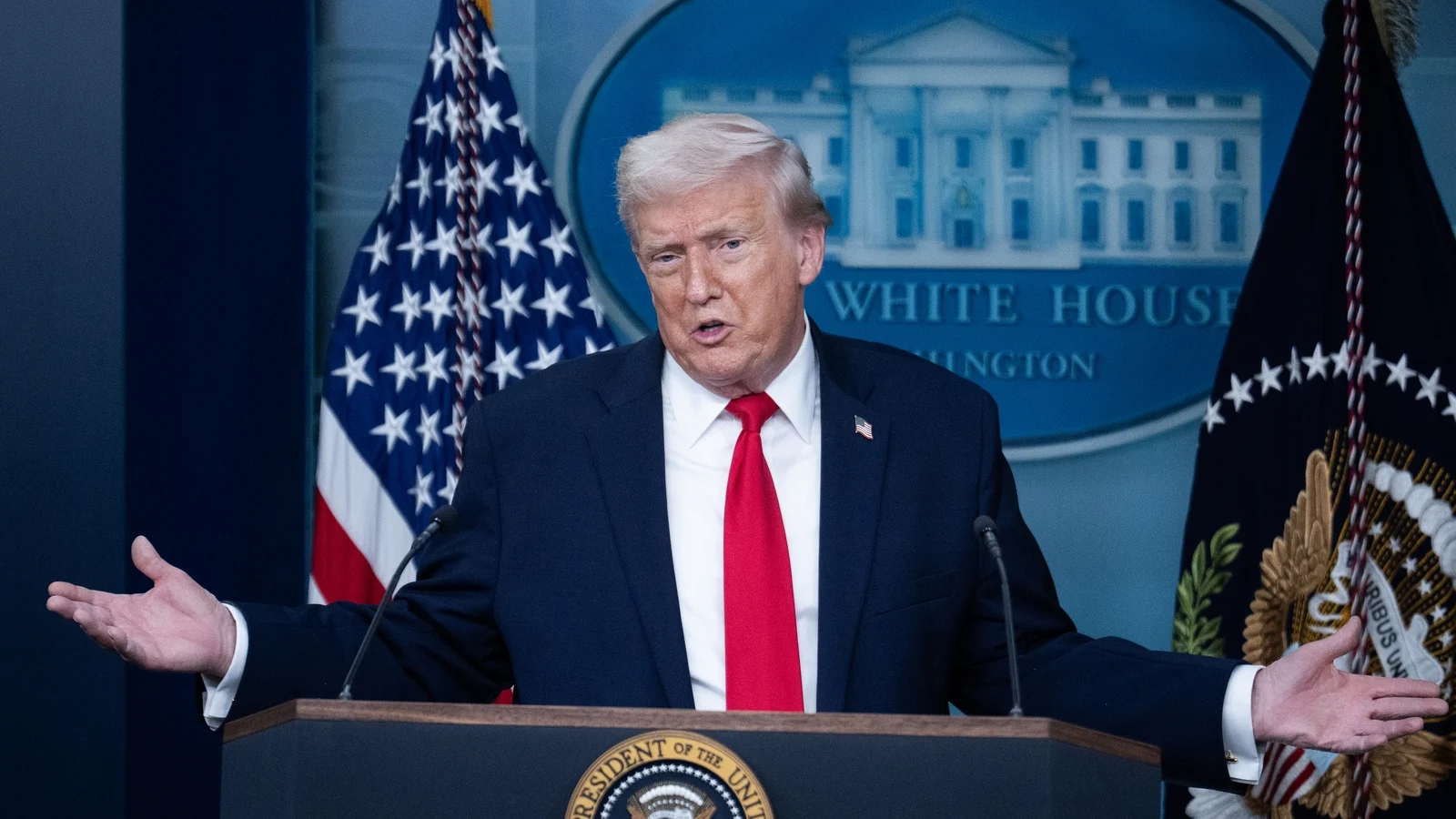
Snow, Power and the Price of Place: Davos, Greenland and a Fraying Alliance
The cable cars hummed and the snow-silenced pines glittered as the world’s governors and CEOs landed in Davos. It is the sort of place that, for a few days each winter, feels suspended from ordinary time—an alpine bubble where policy, profit and personality collide over espresso and après-ski. This year the air smelled less of coffee and more of tension: a diplomatic dispute so unlikely it read like a Cold War fever dream — the question of Greenland’s fate — had jolted the very idea of what it means to be allies.
In the hotel lobbies and side rooms, the usual small talk—growth forecasts, emissions targets, the newest tech darling—kept bumping up against the same refrain: who gets to decide the destiny of a remote, windswept island of fewer than 60,000 people? And what happens when an assertion of “national interest” collides with long-standing alliances?
Why Greenland Matters
Greenland is not simply a dot on a map. It is the world’s largest island, a place of jagged fjords and ice that holds both cultural identity and geopolitical value. It is sparsely populated—roughly 56,000–57,000 inhabitants—yet sits astride Arctic shipping routes, hosts strategic military infrastructure such as Thule Air Base, and is thought to contain significant mineral wealth including rare earth elements and uranium. As the Arctic warms at a rate nearly four times the global average, previously inaccessible waters and deposits are opening up, making Greenland a chess piece in a game where Russia, China and Western powers all have stakes.
On the slopes in Davos, you could hear seasoned diplomats and young policy wonks trading sober calculations. A security analyst from a European think-tank summed it up this way: “It’s not just about rocks under the ice. It’s about basing rights, surveillance corridors, and the economic patterns that follow them. Whoever controls access to the Arctic has leverage.”
From Backroom Banter to Public Row
What began as a whispered strategic interest quickly escalated. Threats of tariffs, public mockery, and an unusually blunt diplomatic back-and-forth replaced the usual niceties. European leaders, gathered beneath the glass domes of Davos, framed the dispute as an affront to shared rules and the sanctity of allied relationships. In terse speeches and private conversations, they described a pattern of unilateral moves that risked corroding trust.
At a makeshift picket in Copenhagen, a Danish pensioner held a Greenlandic flag and said, “We were allies when the bombs fell in 2001. Sovereignty isn’t something you auction off to the loudest bidder.” Nearby, a student shouted that small nations should not be bargaining chips in great-power theatre. These were not the words of diplomats; they were ordinary people grappling with the idea that their neighbors and friends could be thrust into a global tug-of-war.
Voices from the North
In Nuuk, Greenland’s capital, the mood was wary and resolute. A shopkeeper who has lived her whole life on the harbor told me, “We are not an item to be bought. We fish, we hunt, we raise our children here. Decisions about our land should be made by us.” Her eyes, weathered by salty wind and long winters, refused to be minimized into a geopolitical abstraction.
A freelance fisherman from the west coast put it more bluntly: “If outsiders think they can come in and take what they like, they’ll learn. This is our home, and home has a price you can’t pay with money.”
Indigenous perspective
Indigenous rights advocates at Davos underscored that autonomy and voice matter as much as mineral maps. “Greenlanders must lead all discussions,” an advocate told a small panel, emphasizing the reality of self-governance and the delicate balance between economic development and cultural preservation.
Politics and the Trade Weapon
Back in Davos ballrooms, the conversation darkened when tariff talk entered the room. Threats of a 25% tariff on several European countries — framed publicly as a show of force — sent shudders through business delegations. For many in Europe, the idea of economic coercion as a response to diplomatic disagreement felt like a step toward transactional diplomacy at the expense of norms.
An EU trade expert later described the move as a test: “If tariffs become the tool of first resort, then multilateral trade agreements start to look fragile. Countries will hedge differently, supply chains will recalibrate, and smaller economies will suffer the consequences.”
Alliances Under Strain
At the heart of the row is a deeper question: what binds alliances together when national interests clash? Allies are not always friends in the cozy sense; they are partners with shared obligations. Yet Davos showed how quickly frictions can widen into institutional crises. Lithuania’s president warned in private commentary that any aggressive move against an allied nation would be a seismic blow to collective security. The message was blunt: actions that undermine trust can unravel decades of cooperation.
Conversely, some American politicians and delegates at Davos argued that reasserting national interest is simply realpolitik. A visiting US senator told a group of journalists, “Allies should understand the fundamentals of power. We act when our security requires action. That’s not a threat—it’s principle.” Whether such principle promotes stability or fuels insecurity depends on where you stand.
Russia, China and the Arctic Theater
Elsewhere on the forum’s agenda, Russia and China watched with interest. Moscow celebrated the rift as proof of Western discord, while Beijing kept a cautious but attentive posture, surveying opportunities to expand investment and influence. The Arctic, once peripheral to global strategy, is now a stage where the big powers test one another’s reach.
A foreign policy professor commented, “We’re witnessing the Arctic transform from a zone of cooperation to one of competition. Climate change accelerated this conversion and now geopolitical ambitions are following.”
What’s at Stake for Everyday People?
Beyond diplomatic sniping and strategic calculations, the row has human consequences. Greenlanders fear that external posturing will accelerate mining projects without proper safeguards; Europeans fear tariffs and fractured partnerships that could dent economies; Americans worry about overextension and diplomatic isolation.
In a Davos café, a Swiss hotel receptionist sighed as she stacked reservation folders. “We get the world for a week, but we also witness its fractures. It’s a reminder that decisions taken in these rooms travel far. People will pay the price where they live.”
Quick facts
- Greenland’s population: approximately 56,000–57,000 people.
- Greenland area: about 2.16 million square kilometers—making it the world’s largest island.
- Arctic warming: the region is heating at a rate multiple times the global average, exposing new shipping lanes and resource opportunities.
Questions to Carry Home
As you read, consider this: how should the world balance the rights of small communities with great-power strategy? Is it better to keep contentious questions in diplomatic backchannels, or to air them publicly as leverage? And finally, can long-standing alliances survive moments when national priorities diverge sharply?
Davos will move on. The ski lifts will keep turning. But the Greenland row is a reminder that the frozen edges of the map are no longer margins; they are central to the geopolitics of the century. What happens next will test not just governments but the assumptions about how nations should treat one another—and about who, in a changing world, gets to decide the fate of a place and the people who live there.
For now, the island watches. So do the allies. So should we.