A Quiet City, a Loud Verdict: How One Courtroom Tried to Close a Wound
On a cool morning in Nara, long before the city’s tourist buses had disgorged visitors to bow beneath cedar trees and feed the placid park deer, people began to line up. They stood for hours on the pavement, clutching pieces of paper that might grant them the small honor of sitting inside a courtroom whose drama had transfixed Japan and rippled around the world.
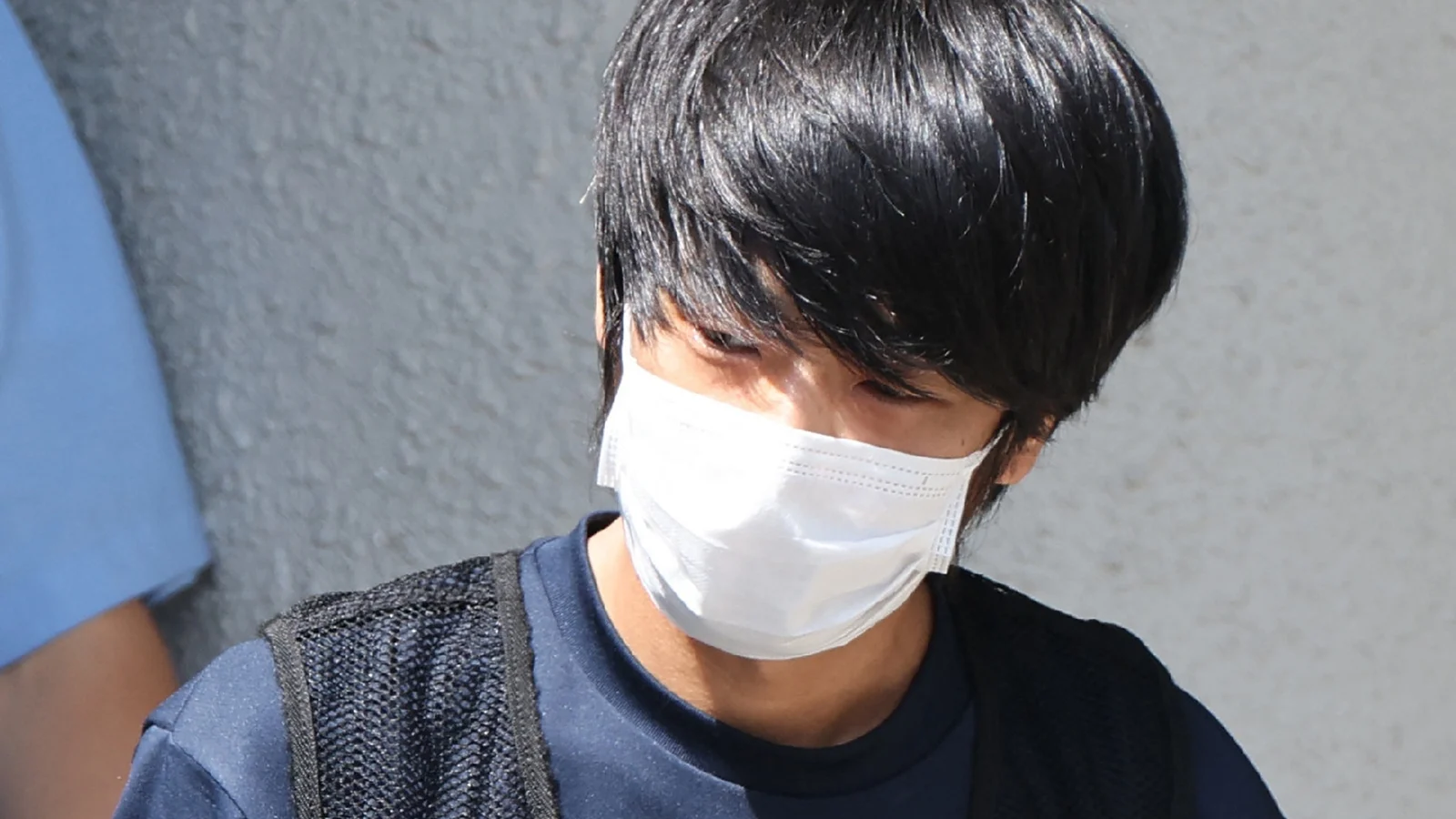
When Judge Shinichi Tanaka finally read the sentence, the hush that followed felt less like relief and more like the steady intake of breath after a painful memory: Tetsuya Yamagami, 45, was found guilty of the murder of former prime minister Shinzo Abe and sentenced to life in prison. The courtroom’s wood-paneled walls returned a verdict that many in Japan had expected—and many still find difficult to fathom.
What Happened, in a Nutshell
On a summer afternoon in July 2022, a former prime minister campaigning in public was felled by gunfire. The weapon that ended Abe’s life was not the product of an arms factory, but the labor of a single man’s hands: a homemade firearm assembled from basic materials. Japan, a country with some of the world’s strictest rules on weapons and an extraordinarily low rate of gun deaths—fewer than 50 firearm-related deaths nationwide in recent years, and a civilian gun ownership rate measured at roughly 0.6 guns per 100 people—watched in horror as a political assassination unfolded in broad daylight.
Yamagami admitted to the killing when the trial opened, though he contested certain other charges. Prosecutors described the act as “unprecedented in our post-war history,” emphasizing the societal shock it produced and seeking the maximum punishment available: life imprisonment.
Why He Did It: A Family, a Church, a Grievance
The motivation that prosecutors laid out was not chiefly ideological. It was intimate, bitter, and threaded through with financial ruin. They argued—and the court accepted—that Yamagami’s rage was aimed not merely at a politician but at a shadowed network of religious influence. His mother, they say, poured life savings into a sect known internationally as the Unification Church, sometimes called “Moonies” after its 20th-century founder, Sun Myung Moon. The donations, the defense says, were catastrophic: about 100 million yen in total—roughly $700,000—pushed the family into bankruptcy and left deep psychological scars.
“My mother believed she could save us,” Yamagami’s lawyer told the court during the trial. “What followed was a steady demolition of their lives.” Prosecutors painted a picture of a son who, convinced that prominent politicians had aided the church’s expansion, believed that assassinating someone as visible as Abe would expose the ties and provoke public scrutiny.
Beyond the Individual: Politics, Religion, and Public Trust
The assassination peeled back a curtain on uncomfortable connections between elements of Japan’s conservative political establishment and religious organizations that had long operated in the background. In the months after the killing, parliamentary inquiries and media investigations uncovered links between the Unification Church and several members of the ruling Liberal Democratic Party; four ministers resigned as the scandal unfolded.
“This case was never just about one man’s violence,” said Emi Takahashi, a sociologist at Kyoto University who researches religious movements and political influence. “It forced Japan to confront how certain organizations—operating under a religious banner—could reach into political life, while victims’ complaints about coercive fundraising remained under-addressed.”
In response, lawmakers debated reforms to increase transparency for religious organizations and to tighten protections for donors. Some municipalities established counseling centers to help families who believed they had been exploited. The glassy public buildings of Tokyo now host hearings and policy proposals whose urgency would have been unimaginable before the gunfire.
Legal Reality: Life in Japan’s Justice System
“Life imprisonment” in Japan carries technical nuances that surprise many overseas observers. Legally, life sentences can include eligibility for parole—often after a decade—but in practice, parole is rare for those convicted of the gravest crimes. Many prisoners serve decades; some never leave at all.
“The sentence reflects both punishment and a societal desire to close a chapter,” said Hiroshi Kuroda, a retired judge who served on high-profile criminal cases. “But it also leaves open a question familiar to democracies worldwide: how do we balance retribution, deterrence, rehabilitation—and the dignity of victims’ families?”
Lines and Flowers: How a Nation Mourns and Questions
Outside the courthouse, the air smelled faintly of incense. Small clusters of flowers, handwritten notes, and tattered campaign flyers gathered at a makeshift memorial. Tourists paused; locals bowed their heads. Conversations hummed: some insisted the sentence was just; others said it would not undo the damage done to public faith in institutions.
“I came because this felt like a turning point for Japan,” said Mari Ono, a retired teacher who traveled from Osaka to watch the trial. “When something like this happens in a place where you don’t expect violence, it forces you to look at what we take for granted.”
Security practices were also scrutinized. Police investigations revealed that even professionals at the scene failed to immediately recognize the sound of gunfire—an unnerving detail in a country that rarely confronts firearms. The incident prompted reassessments of how public events are policed and how emergency responses can be improved without transforming civic life into fortress towns.
Personal Tragedy Meets Broader Currents
At its heart, this is a story of private despair colliding with public consequence. Yamagami’s family narrative—marked by grief, financial devastation, and what his defense counsel called “religious abuse”—is not unique in scale, though its outcome was devastatingly rare. It raises uncomfortable but essential questions: how societies monitor and regulate organizations that wield spiritual authority? How do we protect vulnerable people from exploitative fundraising? And how do democracies ensure that grievances, however raw, do not metastasize into violence?
“We should ask whether the social safety nets meant to prevent this kind of collapse were adequate,” said Dr. Lisa Meyers, an expert on cultic abuse and support for victims at an NGO in Tokyo. “When families lose all their savings to an institution that promises salvation, the state has a responsibility to step in—before despair becomes a motive for murder.”
What This Moment Means Globally
The verdict in Nara is Japan’s story, but it has universal echoes. Democracies everywhere wrestle with the intersection of faith, money, and power. Political violence is rare in most advanced economies, but when it happens, it often forces a reckoning about social fault lines we had preferred not to see.
Are we doing enough to protect citizens from predatory organizations? Have we created channels for grievance that stop short of violence? And how should societies balance open political discourse with the need to safeguard public figures?
These questions do not have easy answers. What the sentence does offer is a moment to look carefully—and to listen, as a country does its slow, messy work of healing.
For the Reader
As you read this from wherever you are—amid skyscrapers, prairies, islands, or deserts—ask yourself: what structures in your own place are quietly harming people? What stories are waiting behind the headlines that, if ignored, could spiral?
Japan has issued a verdict for one act. The larger trial—of transparency, compassion, and a civic culture that protects its most vulnerable—continues.