When “Peace” Has a Price Tag: Ireland’s Quiet Refusal and a Global Moment of Doubt
There is a certain hush in the corridors of Leinster House that morning — not the hush of indecision so much as the careful, almost wary silence of a country weighing how loudly to denounce a spectacle staged half a continent away. In Davos, at the glittering World Economic Forum, a so‑called “Board of Peace” was consecrated with the pomp of summitry and the clang of headlines. The cost of permanent membership: one billion dollars. The names invited: a roster that mixes allies, autocrats and indicted leaders in a way that makes diplomats cough into their coffee.
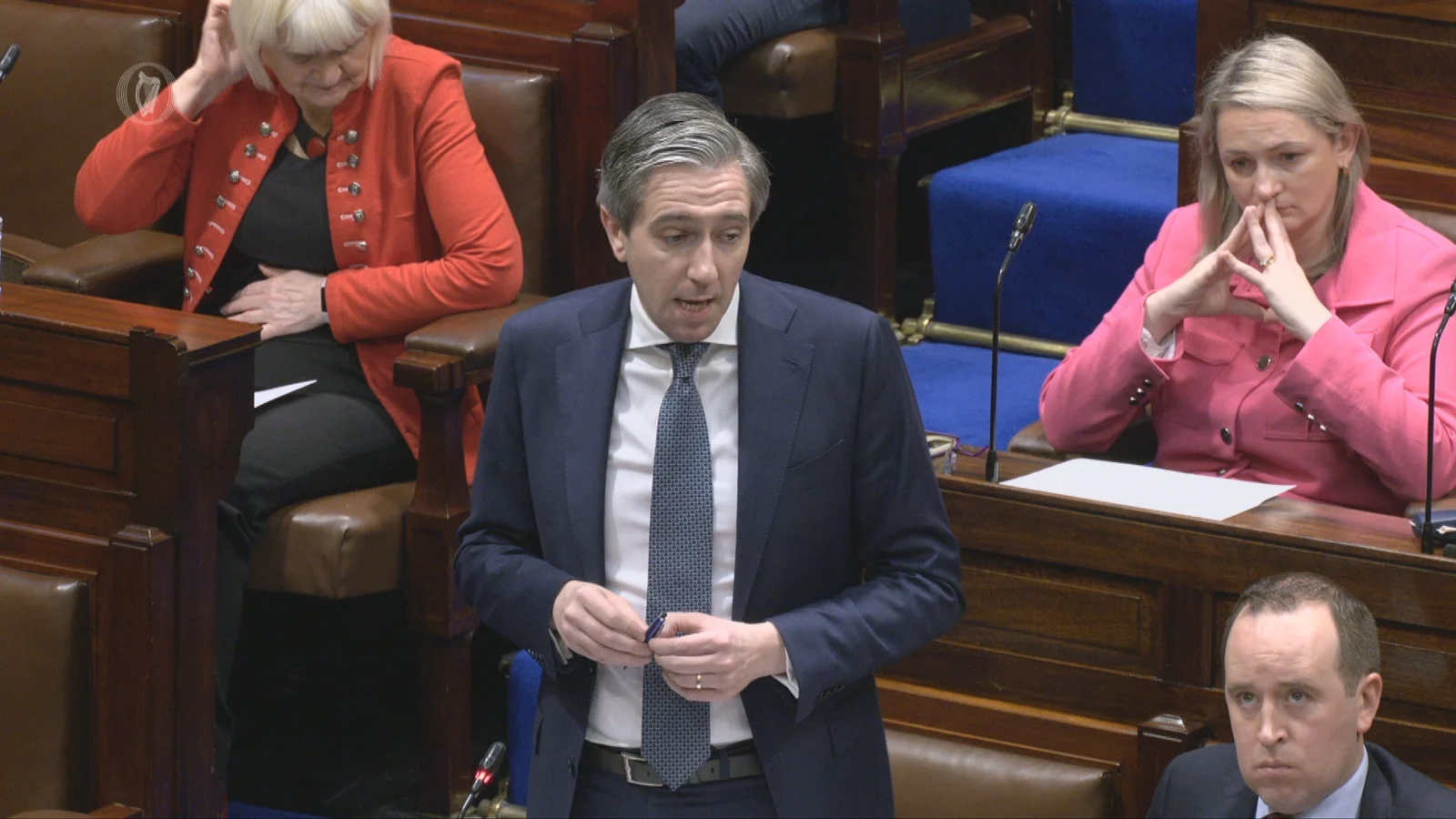
Back in Dublin, Ireland’s deputy prime minister made the calculation public: under its present shape, Ireland will not sign up. The words landed not as a gavel strike, but as the small, deliberate sound of a country reminding the world that words like “peace” still have to mean something.
What is the Board of Peace?
At Davos, the initiative was presented as a new global convening to shepherd peace processes around the world. It carries a headline figure — $1 billion for permanent membership — and a promise of influence. But in practice it already looks less like a neutral mediation body and more like a VIP club where power, politics and pay‑to‑play optics collide.
Leaders in several European capitals recoiled. Some declined the initial invitation outright. Others are treating it as a diplomatic hot potato. Why the unease? Because the board’s list of attendees reportedly includes figures who are under indictment for war crimes, as well as strongmen whose human rights records are deeply contested. And because its structure, as presented, appears to carve out space for private, parallel channels of influence that could, critics warn, undercut the United Nations and longstanding multilateral norms.
Echoes Across Dublin: Why This Matters at Home
Ireland’s modern foreign policy is stitched together from a few golden threads: a commitment to international law, a storied record in UN peacekeeping, and the political capital of being a small nation that has often punched above its weight in mediation and humanitarian diplomacy. When Irish politicians talk about peace, there is an archive of credibility behind them — from peacekeepers in Lebanon to decades of quiet diplomacy.
So when Irish leaders say they cannot envision Ireland joining the board “as currently constructed,” it is not simply diplomatic theatrics. It’s a guardrail rooted in institutional memory. “We’ve always believed peacebuilding must be rooted in legitimacy, in international law, and in institutions that represent more than a gated list of friends and patrons,” one retired Irish ambassador told me. “You can’t attach the word ‘peace’ to something that sidelines the organisations designed to hold states accountable.”
Street Voices and Small Truths
Outside a bakery near Grafton Street, locals remarked less about doctrine and more about image. “If it smells like a photo op, it probably is,” said Maeve, who runs the shop. “I don’t want Ireland’s name put next to people who make war — not for a cheque, not for a handshake.”
A young teacher waiting for a bus asked, “Are we to believe peace can be auctioned off?” She smiled sadly and added, “It feels like the tune has changed. Diplomacy used to be slow and steady. Now it’s flashy, fast, and you need a golden ticket.”
Red Flags: Governance, Legitimacy, and the UN
The practical objections are straightforward. First, who governs the board? Who has vetoes? Where are the checks? Critics argue that the initial charter leaves too many questions unanswered and too few safeguards in place to prevent politicized decision‑making. Second, the invitations: including leaders under ICC indictment or accused of serious human rights violations invites moral incoherence. Third, the fee: a billion dollars for a permanent seat smacks of an elite club rather than a global public instrument for conflict resolution.
These are not trivial concerns. Multilateral institutions like the UN exist precisely because they bundle legitimacy with process. When parallel mechanisms arise that look like they could supplant or dilute those institutions — or when they reward the very actors whose actions created crises in the first place — the consequences are potentially destabilizing.
European Nervousness and a Larger Shift
This episode has also revealed a fault line in transatlantic relations. A handful of European governments have declined the Davos signing. France signaled reluctance. Britain, Germany, Norway, Sweden, Italy and Slovenia reportedly stayed away. One senior EU official told journalists that the move amplified an ongoing debate in Europe about strategic autonomy and the need to rely on European instruments for security as well as diplomacy.
That debate is not purely abstract. The shocks of recent years — the war in Ukraine, supply‑chain crises, and the perception of unpredictable American policy swings — have accelerated European efforts to build capacity. The idea is not to sever ties with the United States but to avoid being blindsided when global frameworks change shape overnight.
Questions to Ponder
What kind of global architecture do we want for resolving war? Should peace be brokered by small clubs of powerful players, or by institutions that represent the wider international community? And perhaps most pressingly: can legitimacy be bought, rented, or convened with a big enough cheque?
These are not just academic questions. When a diplomatic initiative rebrands itself as a source of peace but allows the very architects of violence a seat at the table, it risks hollowing out the moral currency that peacebuilding depends on.
Where Ireland Fits In
Ireland’s measured response — to analyze, to confer with European partners, and to decline the Davos signing ceremony — reflects both principle and prudence. Dublin wants to be part of solutions, to offer its experience in mediation, and to push for a humanitarian response to crises like the one in Gaza. But it also knows that credibility is an asset you spend only once.
“We will consult broadly,” the Taoiseach indicated in public remarks, balancing caution with an acknowledgement of the need for action. Critics accused the government of dithering. Supporters called the refusal to appear at the signing ceremony responsible.
At its best, Irish diplomacy has been quietly distinctive: firm in principle, generous in aid, and adept at building bridges in messy contexts. The test now is whether Dublin can translate that tradition into constructive engagement that strengthens, rather than circumvents, global architectures for peace.
Final Thought
In a world where headlines are made quicker than consensus can be built, the temptation to stage a dramatic solution is powerful. But genuine peace—stable, just, and lasting—has never been a product of spectacle. It grows in institutions that are transparent, accountable, and broadly accepted. The question facing not just Ireland but the world is whether we will defend those institutions, or let the label of “peace” be repurposed by spectacle and money.
Which would you trust: a glossy global board with a price tag, or the slow, sometimes frustrating machinery of multilateral law and consensus? The answer we choose now will shape the next chapter of international diplomacy.