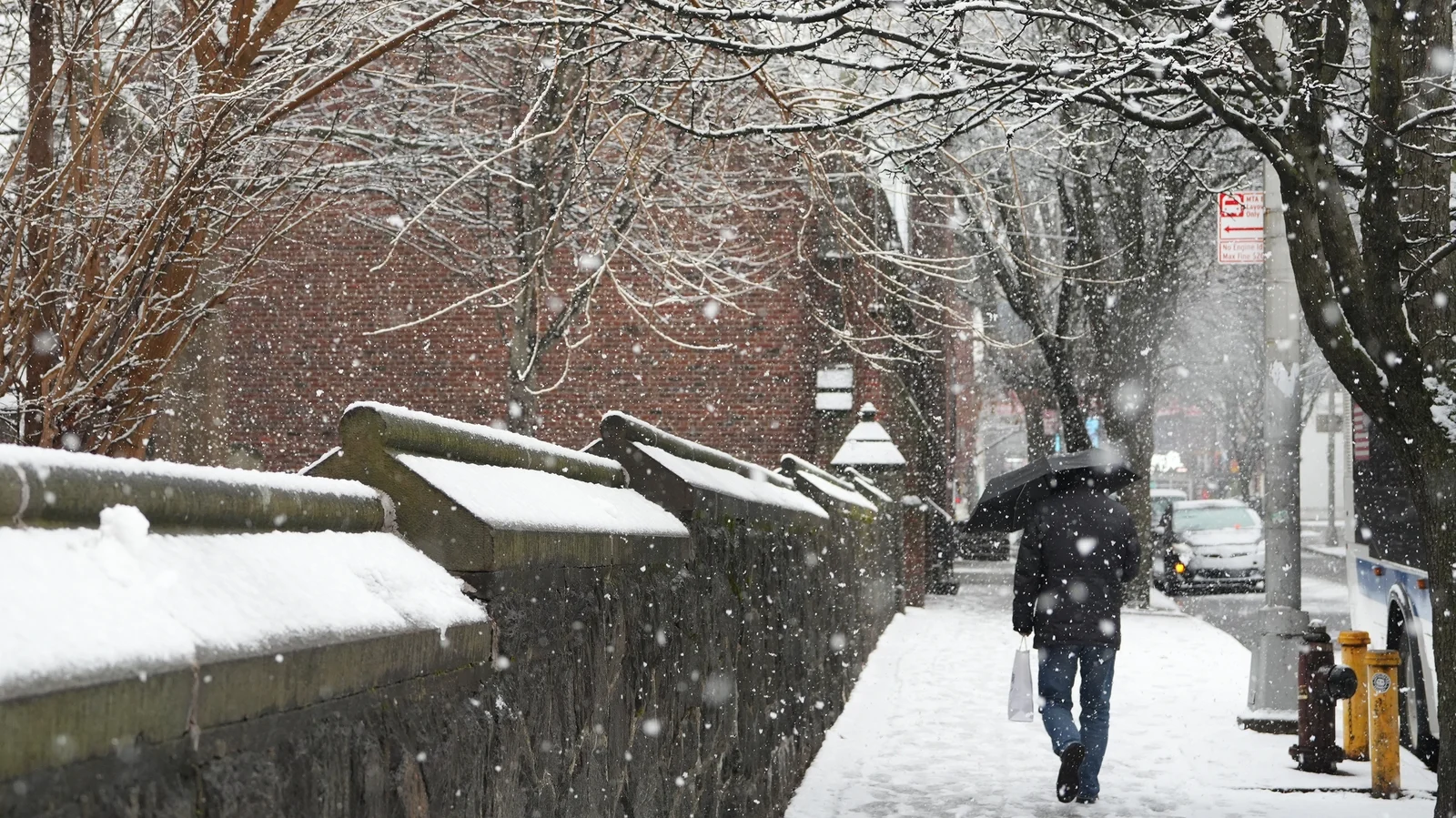
The Cold That Came Knocking: A Nation on Edge
When the sky cracked open and the first ice glaze appeared on a Rochester lamppost, people in this part of the country reached for extra sweaters and, for many, a hint of old dread. Forecasters had warned for days: a sprawling winter system born off the California coast was on a slow, deliberate march east, threatening a hazardous cocktail of freezing rain, heavy snow and bone-deep cold that could touch 160 million Americans. By the time the mid-Atlantic and Northeast felt its teeth, life felt less like it was paused and more like it had been rearranged.
There’s something almost cinematic about a storm that announces itself across three time zones. Plows began humming in small towns, grocery store lines lengthened, and emergency rooms started making contingency plans. Airports stuttered: FlightAware tallied more than 1,500 cancellations ahead of the weekend. Commuters canceled meetings. Parents checked on elderly neighbors. On social media, photos of cars rimed in ice and interstate rest stops swamped with weary truckers circulated like a modern-day cautionary tale.
On the Ground: Voices From the Storm
“The roads looked like glass by dawn,” said Maria Delgado, who runs a bakery in upstate New York. “We had a delivery truck skid right in front of the shop. I told my staff, ‘We’ll be ready for customers, but only if it’s safe to get here.’”
In a Houston suburb, the mood was different but no less urgent. “Five years ago we froze,” said Jamal Carter, a high school teacher who remembers the 2021 grid collapse that left millions in the dark. “There’s a bone-deep worry this time. But there’s also a lot more trucks, more crews. People have learned, even if learning came the hard way.”
Utility workers and state emergency managers—who spoke on the record under their titles—described a shuffle of resources: tree crews staged for limb removal, mutual aid agreements mobilized, spare transformers trucked into staging yards. “We have teams ready to move at a moment’s notice,” said one regional utility operations manager. “The priority is keeping critical facilities—hospitals, shelters—powered first.”
Texas: Memories of a Broken Grid
The southern state that once became a cautionary tale for winter preparedness has been speaking loudly about its fixes. “There is no expectation of widespread power loss,” a state official told reporters, pointing to investments, legislative changes and new winterization mandates for generators and pipelines. Yet even as officials expressed confidence, the memory of widespread outages in 2021 lingered like frost on a window: an image many Texans still carry with them.
“We’ve insulated pipes, we’ve got backup heaters,” said Sonia Alvarez, who lives outside Austin. “But my neighbor still packs up his car with blankets and a small cooler—just in case. You don’t shake that kind of fear overnight.”
New York and the Northeast: Bracing for Bitter Cold
In New York State, authorities were blunt. Officials urged residents to limit time outdoors—“five or six minutes could be dangerous,” one emergency coordinator warned—because hypothermia and frostbite can creep in faster than most expect. Shelters were placed on alert, plow routes prioritized, and thousands of utility workers stood ready.
“Hypothermia isn’t just for the extremes,” said a county public health nurse. “We’ve seen folks who thought shoveling a driveway was harmless, and the next thing you know they’re in trouble. That’s why we’re asking neighbors to check on each other.”
Why This Storm Feels Different
At the heart of the system was a stretched polar vortex—an armored ring of frigid, low-pressure air that usually sits tightly above the Arctic. When it elongates, it lets a sluice of polar air pour south. The result: intense cold, sustained winds and the kind of icy rain that clings to branches and power lines, weighing them down until they snap.
“What matters here is the duration and the mix,” explained Dr. Leila Hassan, a climate scientist who studies atmospheric dynamics. “Freezing rain can cause catastrophic ice accumulation quickly because liquid water releases heat as it freezes on contact; when that happens over a broad region, you’re looking at prolonged outages and widespread damage to trees and infrastructure.”
Scientists caution there’s no simple headline for climate’s role. “We’re seeing more frequent disruptions of polar circulation,” Dr. Hassan added. “There’s evidence suggesting climate change may increase the odds of these events by altering jet stream patterns, but natural oscillations still play a big role. It’s complicated—fraught even—but worth taking seriously.”
What Communities Are Doing
Across towns and cities, the response blended official logistics with neighborly pragmatism. Warming centers opened in church basements. Volunteer groups handed out heat packs and batteries at transit hubs. Municipalities deployed sanders and salt trucks along the busiest corridors, and hospitals reviewed generator supplies.
- Local governments urged everyone to prepare basic kits: water, nonperishable food, a battery-powered radio, blankets, and charged power banks.
- Transport officials advised avoiding travel unless essential; schools pre-emptively shut down in many districts.
- Volunteers worked in shelters, making sure pets were welcome and medication needs were accounted for.
“This is when community ties matter most,” said Reverend Thomas Ng of a Buffalo-area church hosting a warming center. “We’ve got folding cots, coffee and a volunteer to watch the stove. Sometimes the small comforts keep people going.”
Numbers, Risks, and the Bigger Picture
Here are the facts that underscore why this storm is a national story: roughly 160 million people were expected to feel some impact; more than 1,500 flights were canceled before the storm landed; at least 14 states declared states of emergency; parts of the Upper Midwest reported wind chills as low as -55°F (-48°C). The National Weather Service warned of “catastrophic ice accumulation” and the possibility of long-duration outages and dangerous travel conditions.
These events also force us to ask larger questions: How resilient are our grids, roads, and social safety nets against extremes? What does it mean when once-sudden anomalies become recurring challenges? And how do we balance immediate emergency responses with long-term investments in infrastructure and climate adaptation?
Practical Steps and Final Thoughts
If you’re reading this and the storm is heading your way, here’s a quick checklist that could make a difference:
- Keep phones charged and car fuel tanks topped up.
- Have a basic emergency kit: water, food, blankets, medication, flashlight, batteries.
- Check on neighbors, especially older adults and people with limited mobility.
- Avoid unnecessary travel; ice is deceptive and deadly.
Storms that stretch across a continent are equal parts spectacle and test. They show us the drama of nature and the seams in our systems—both human and mechanical. They can bring out the best in communities: strangers handing out scarves, utility crews working through the night, shelters offering warmth and coffee. They also remind us of the hard work ahead: building infrastructure that endures, communities that are prepared, and policies that reckon with a planet that’s not as predictable as it once seemed.
So as you zip a coat against the wind and watch the first flurries begin to settle, ask yourself: how would you fare if the lights went out tonight? Who in your neighborhood would you check on? Sometimes, the most meaningful preparations are not what we buy at stores but the connections we keep—and the small, diligent acts of care that keep us all a little warmer.