When Words Wound: How One Interview Reopened a Nation’s Scars
On a chilly morning in London, floral tributes still bowed under the weight of rain at a small memorial near a brick barracks. Wreaths, letters and dog-eared photographs fluttered against the iron railings, reminders that the long war in Afghanistan is not an abstract chapter in a history book but a ledger of names—457 British service members whose lives were cut short.
So when a headline from across the Atlantic suggested those who fought “stayed a little back,” the reaction in Britain was swift, visceral and deeply personal. It was not merely political pushback; it was a reopening of fresh wounds for families, veterans and communities who carried that conflict home for two decades.
Shockwaves and a Nation’s Reply
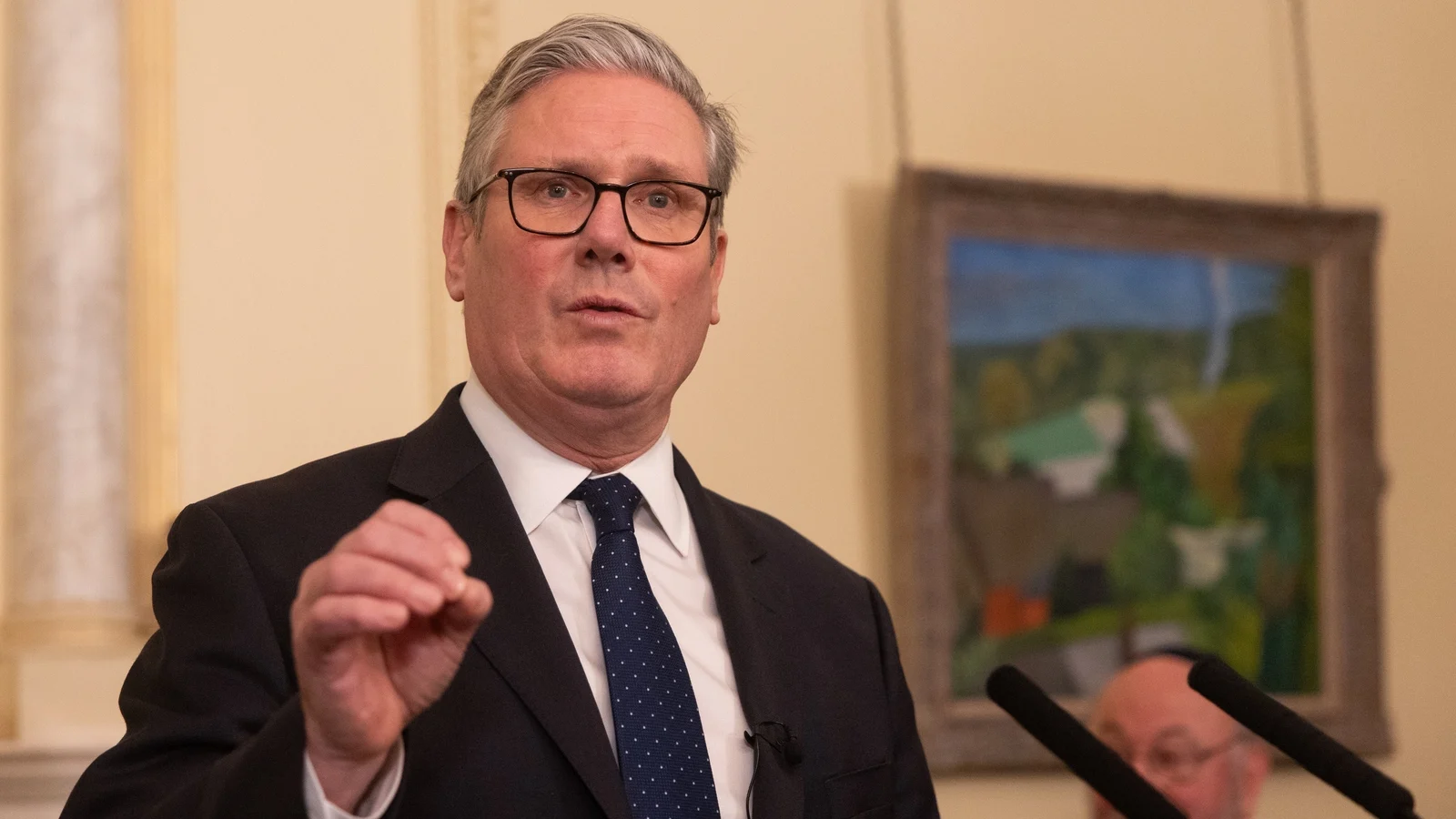
Within hours, voices rose from Downing Street to the living rooms of ordinary Britons. The prime minister called the suggestion insulting and hurtful; a former royal who had served on the front line begged for the truth to be spoken with respect. Veterans’ charities, opposition leaders and bereaved relatives joined what felt like a national chorus—reminding the world that this was never a distant, spectator war.
“We were shoulder to shoulder,” said an ex-serviceman, now a community youth mentor in the north of England. “We stood with allies in muddy valleys and on sunburnt airfields. You don’t get to minimize that service with a throwaway line on television.”
Numbers That Never Go Away
Facts matter in moments like this. After the September 11, 2001 attacks, NATO invoked Article 5—the alliance’s mutual defence clause—for the first and only time in its history. The UK committed heavily: more than 150,000 British service personnel served in Afghanistan between 2001 and 2021. Of those, 457 were killed, and official figures say 405 of those deaths were the result of hostile action.
Poland, another ally, lost 43 soldiers. The United States suffered more than 2,400 fatalities. Countries across NATO—Canada, France, Germany, Italy, Denmark and others—saw their young men and women return changed, or not return at all. These are not numbers on a spreadsheet; they are dates circled on calendars, empty chairs at family tables, and gravestones whose names are read aloud at Remembrance services.
Voices from the Heart
At a veterans’ café tucked between a fish-and-chip shop and a barber in a coastal town, people still share stories they can’t talk about at home. “We saved each other’s backs in the heat,” one former corporal told me, stirring his tea as if the motion steadied old nerves. “You can’t belittle that without knowing the smell of diesel at dawn, or the loneliness of radio silence after an ambush.”
A mother who lost her son at 18 described the insult as “an extra wound.” “He was home in a box,” she said quietly. “I miss him in small, ordinary ways. I don’t need someone to tell me his life didn’t matter.”
Prince Harry — who served two frontline tours — echoed that sentiment, urging that sacrifices be spoken of truthfully and with respect. “Allies answered the call,” he said in a public statement, noting that families still live with the consequences of loss and injury. His words landed with particular weight because he, too, is part of that community of service.
Politics, Pride and the Peril of Misstatements
There is more than one thread here: grief, certainly, but also the political theatre of global alliances. NATO’s relevance has been debated, yet its 2001 invocation established a legal and moral unity that saw nations answer a collective call. To suggest otherwise is to blur the contours of history and to risk eroding trust between allies.
A defence analyst in Brussels told me, “One mischaracterisation can ripple through diplomatic relations. Trust is built on shared sacrifice, shared memory. When those memories are questioned, the alliance becomes vulnerable to doubt.”
Across the political spectrum in the UK, condemnation was not confined to one party; it was a rare convergence of voices alarmed about the implications of the remark. The leader of the opposition said it could weaken the NATO alliance; other figures, including some who have historically supported the American president, publicly rebuked the claim.
What This Means for Veterans and Families
Beyond geopolitics lie the human costs: injuries, both visible and invisible, that stretch beyond frontline tours. Thousands returned with life-changing wounds. Many now struggle with mental health, with employment, with relationships. Charities dedicated to veterans warn that public misstatements compound their burden.
“It’s not just about honour,” said a director at a veterans’ support organization. “It’s about having the record set straight so services, compensation and care are directed where they are needed and so the public understands the true cost of conflict.”
- 457 British service members killed in Afghanistan (405 in hostile action)
- More than 150,000 UK personnel deployed 2001–2021
- US fatalities: more than 2,400
- Poland lost 43 soldiers
Memory, Respect, and the Stories We Tell
Walking past the memorial, you notice small tokens left by schoolchildren: a painted rock, a crude poppy cutout. These are deliberate acts of remembrance that keep a different kind of history alive—one that refuses to be simplified by headlines.
So how do we talk about war in a way that honours truth without turning grief into political ammunition? Perhaps it starts with listening. With learning the names and the faces behind the figures. With asking difficult questions about strategy and policy—but doing so in a way that preserves the dignity of those who served.
As readers around the world scroll past the latest outrage, consider the families who cannot scroll past. Consider the soldier who taught maths in a village school in Helmand, or the medic whose calm saved a life in Kandahar. Their stories are complex, and they deserve complexity in return.
Questions to Carry Forward
Are we willing to let a single sentence reshape public understanding of a two-decade sacrifice? How do democracies hold leaders to account for statements that have diplomatic consequences? And, most crucially, how do we centre the voices of those who actually lived these wars when debating their legacy?
Words matter. They can comfort and they can wound. In the wake of a comment that hurt so many, what follows should be a reckoning—not a hurried rebound into partisan sparring, but a deliberate, collective effort to remember accurately, to support the bereaved, and to learn from the past so that future service does not go unacknowledged or misunderstood.
When you next see headlines about alliances and leaders, will you pause and ask whose stories are being told—and whose are being left out?