A Harbour’s Silence: The Death of a Boy and the Questions That Follow
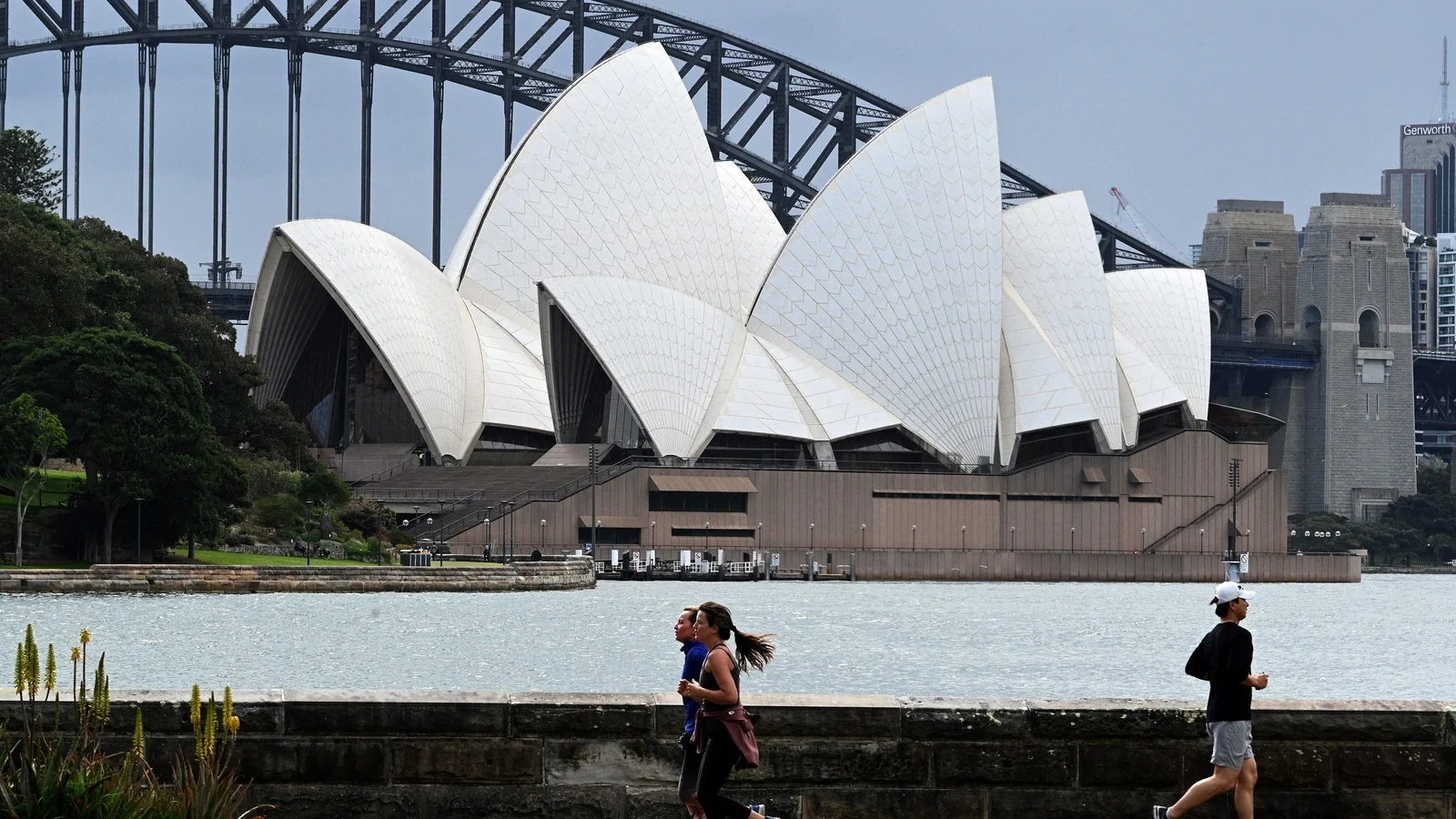
On an ordinary Sydney summer afternoon, the harbour glittered like a million coins. Children leapt from sandstone ledges. Ferries hummed past, their wakes fanning white lines across the water. Then, in a moment that feels impossibly sudden and cruel, a boy’s life was snatched from the soundtrack of the city.
His name was Nico Antic. He was 12. His parents, Lorena and Juan, released a simple, shattering line: “We are heartbroken to share that our son, Nico, has passed away.” That sentence carried the weight of a neighbourhood’s grief and left Sydney — and anyone who has ever loved the water — asking how something so convivial could turn so fatal.
The Scene at Vaucluse
Vaucluse sits on the harbour’s eastern rim, where the water is usually a blessed patchwork of deep blues and green. Locals and visitors have rock-jumped there for generations; it’s a rite of summer for many families in the eastern suburbs. Last week, a group of children were doing exactly that, launching themselves from a six-metre cliff into the harbour below.
But heavy rain had just washed into the water, turning the clarity to soup. Police say the water was murky. According to witnesses, the attack was abrupt. Children ran screaming. A police boat recovered Nico bleeding heavily and rushed him to hospital; he died of his injuries days later, according to his family.
“We heard a commotion. One moment we were joking about the swell, the next there were sirens,” said Tom Ellis, a volunteer lifeguard who was at a nearby beach. “The water goes from playground to danger in seconds. It’s the randomness that shakes you.”
Why Are Sharks Showing Up in Places We Think of as Safe?
Four shark incidents were recorded in Sydney waters within two days of Nico’s attack, prompting authorities to close dozens of beaches. Those closures, the mourning parents, the stunned little island communities of swimmers and surfers — all of this is unfolding against longer-term shifts in how we share the coastal environment with its apex predators.
For decades, scientists have been tracking subtle but consequential changes: more people using the water, shifting fish populations, and warming seas. “We are seeing the overlap increase,” said Dr. Emma Kwan, a marine ecologist who studies predator-prey dynamics off Australia’s east coast. “Sharks aren’t suddenly more aggressive; they’re following food, following currents, and doing what evolution programmed them to do. Meanwhile, our patterns of coastal recreation are changing — more people in more places for longer seasons.”
In practical terms, that means greater probability of encounters. Australia averages roughly a couple of dozen unprovoked shark attacks a year, with fatalities historically rare but devastating when they occur. The species involved vary: great whites patrol the open ocean beaches; bull sharks and some tiger sharks can push into estuaries and murky harbours. The precise species in Nico’s attack has not been publicly specified, but experts point out that murky, post-rain water is a risk factor because visibility is reduced and fish and debris can draw predators closer to shore.
Climate and Crowds: A Two-Edged Sword
Rising sea temperatures and more frequent marine heatwaves — a well-documented consequence of global warming — can nudge usual patterns. Species that once stuck to deeper or cooler waters explore new ranges. Meanwhile, urban runoff after heavy rain can concentrate nutrients and baitfish near harbour mouths, altering local food webs.
“The apex predators are responding to a food landscape that we, directly and indirectly, influence,” said Dr. Kwan. “It’s a reminder that marine conservation isn’t abstract. It’s local. When the ocean changes, so does our risk profile.”
What Authorities and Communities Do Next
On the practical side, Sydney authorities moved quickly to close beaches and deploy additional patrols and resources. Inspector Mark Hayes of the local police described the response as “fast and compassionate,” while acknowledging the limits of control.
“We can close a beach, we can increase surveillance, we can put out warnings,” Hayes said. “But we can’t eliminate risk. We owe it to the family to do everything we can to prevent another tragedy — and to the community to be transparent about what we’re doing.”
That transparency matters because responses are contested. Traditional deterrents — shark nets, drum lines, longlines — reduce encounters on some beaches but bring collateral damage to marine mammals, turtles, and fish. Yet communities whose livelihoods and lifestyles revolve around the ocean often demand visible protection.
“We love the water; we also want to feel safe,” said Maria Lopez, a cafe owner near Watsons Bay. “Some people say nets are cruel. Others say they’d sleep better if their kids could swim without fear. It’s complicated. It hurts to watch a child taken like that.”
- Immediate measures usually include beach closures, aerial surveillance, and increased patrols.
- Longer-term options include targeted detection technology (drone and sonar), eco-friendly exclusion devices, and public education campaigns.
- Public debate often centers on trade-offs: human safety versus marine conservation.
A Community Seeks Meaning
The human toll is, of course, the hardest to quantify. At Nico’s school, classmates left shoes at the gate and wrote messages on the fence. People laid flowers at nearby wharves. A neighbour described him as “a happy, friendly, and sporty young boy with the most kind and generous spirit. He was always full of life and that’s how we’ll remember him.” That phrasing — part eulogy, part testimony — captures how personal this moment is for the people who knew him.
“We want answers,” said a family friend, whose voice shook. “But answers won’t bring him back. We want action that makes the water safer for everyone.”
What Should You Take Away?
There are no easy answers. We can tighten tech and policy, but the ocean resists tidy human interventions. We can argue for more conservative access and fewer risks, or for better non-lethal mitigation. Each choice reflects values about nature, recreation, and the cost of safety.
So I ask you: when we stand on the edge of a harbour or a beach, do we see a playground or a wild place? Can we love these places and also respect their unpredictability? If the seas are changing, how do we want to adapt — with fear, with innovation, or with renewed humility?
For now, Vaucluse is quieter. The rock from which boys used to leap is the scene of a family’s loss, of a city’s unease. People keep coming to the water’s edge, because that is what humans do — we are drawn to the horizon, to the taste of salt, to the possibility of a plunge. The question is how we reconcile that longing with the hard realities unfolding in the warming, crowded seas.
As the city mourns, the conversation must continue: about safety, about conservation, about climate, and about the many ways we belong to — and sometimes collide with — the natural world. Nico’s death is not just a statistic. It’s an urgent call to ask how we want to live beside an ocean that is changing faster than many of our institutions can keep up.