A Fragile Pause in the Desert: Why Damascus and the Kurds Have Agreed to a 15-Day Truce
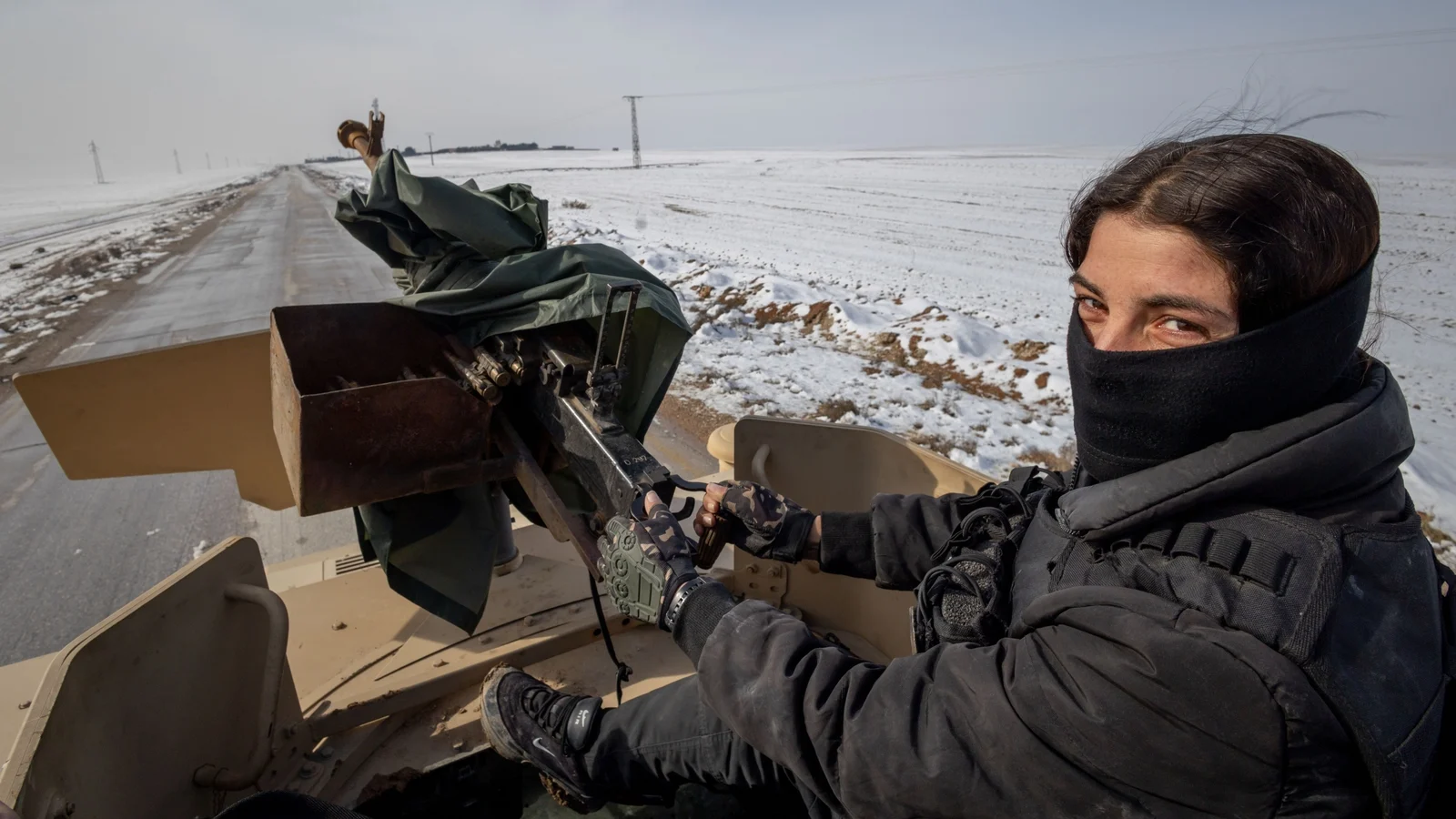
Dust hangs in the air above an abandoned checkpoint east of Hasakeh, where the paint on a rusted sign peels under a furnace sun. An old tea stall that once served drivers and fighters sits empty, its samovar cooling in the midday heat. This quiet is not the calm of peace so much as the hush that follows a sudden rearrangement of power—breath held, waiting to see whether the silence will hold.
In the past few days, Damascus and the Kurdish-led Syrian Democratic Forces (SDF) reached for that pause. Officials announced a 15-day extension to a ceasefire that had been due to expire, saying the goal was to create breathing space for the United States to move people held in SDF prisons—members and suspected affiliates of the Islamic State—into Iraqi custody.
“We extended the truce to allow for the secure and orderly transfer of detainees,” said a statement attributed to the Syrian defence ministry. “This is in support of international efforts to prevent a security vacuum.” The SDF confirmed the decision, calling the extension the product of international mediation and a step towards reducing violence and protecting civilians.
Why the Pause Matters
Short truces in northeastern Syria are not unusual, but they are rarely so tightly tied to a single, high-stakes logistical operation. The SDF controls a network of detention sites that house thousands of people—fighters, suspects, and family members—captured during the campaign that crushed the Islamic State’s territorial rule by 2019.
U.S. officials, the SDF and Iraqi authorities told news agencies that Washington planned to transfer thousands of detainees to Iraqi prisons. One U.S. announcement that circulated widely spoke of a plan involving as many as 7,000 detainees. The first convoy reportedly carried around 150 high-value detainees, including some Europeans; Iraqi officials said a second movement could include up to 1,000 people and that the transfer process would stretch over several days.
“Moving that many people without creating chaos is a logistical nightmare,” said Lina Haddad, an international security analyst who has followed detention dynamics in Syria. “You need safe corridors, vetted lists, medical checks, and, crucially, international and local buy-in. That’s why temporary ceasefires—however fragile—become a political tool.”
On the Ground: Fear, Relief, and the Weight of History
For residents of Hasakeh and nearby towns, the truce is both a relief and a reminder that decisions are often made far from their neighborhoods. “Every time the flags change, children stop going to school for a week,” said Ahmad, a grocer who asked that only his first name be used. “We want safety, yes, but also stability. When fighters move and checkpoints open and close, our lives are the ones that get rearranged.”
An abandoned SDF checkpoint—concrete blocks sat like chess pieces along a highway—tells that story plainly. Trucks pass cautiously now, engines revving past the ruins of a small market where Kurdish tea sellers once traded gossip for coins. A woman pushing a cart of flatbreads said she favors the truce despite reservations. “We can at least harvest without worrying about shells,” she said. “But when they carry prisoners out of the area, I worry about reprisals, about who will be held responsible if things go wrong.”
Numbers, Risks, Realities
Some context helps us measure the stakes. Islamic State fighters and sympathizers swept across large parts of Iraq and Syria in 2014, declaring a caliphate and overseeing atrocities that shocked the world. By 2019, coalition forces, local partners including the SDF, and regional armies had retaken most territory once controlled by IS. But victory on maps didn’t erase the problem. Tens of thousands of detainees, suspected fighters, and family members remained in makeshift camps and prisons—many under SDF supervision.
That accumulation of detainees has been a pressing security and humanitarian issue for years. Overcrowding, poor sanitation and the risk of mass breakouts have made the facilities volatile. “Prisons can be incubators of extremism if they are not managed properly,” said Dr. Marcus Ellery, a British expert on counter-radicalization. “But deporting or transferring detainees en masse without proper legal procedures also creates long-term problems—statelessness, human rights abuses, and legal limbo.”
- Reported planned transfers: up to 7,000 detainees (according to U.S. statements cited by local sources)
- First move: around 150 senior detainees, including some Europeans
- Second batch: reported up to 1,000 being transferred over the weekend
- ISIS territorial defeat: largely achieved by 2019
Politics, Borders, and the Price of Control
At the heart of the ceasefire are not only security calculations but questions of governance. The truce followed sharp territorial shifts in which the Syrian government reasserted control over stretches of land previously held by Kurdish forces. Those moves reopened debates about who manages border crossings, who collects customs revenue, and how oil wealth—still a major prize in northeastern Syria—will be administered.
A Kurdish source told mediators, via a U.S. intermediary, they proposed that Damascus take charge of border crossings while allocating portions of the resulting revenues and some oil income to Kurdish-majority areas. “It’s a pragmatic proposal,” the source said. “We don’t want endless conflict. We want recognition—economic lifelines and local autonomy to manage our affairs.”
Whether Damascus will accept long-term compromises remains unclear. The Syrian state, fractured by years of war, is now engaged in a delicate dance: extending formal control while trying to reintegrate regions run by semi-autonomous administrations. For many in the area, the question is simple: who will fund schools, clear rubble, and pay teachers’ salaries next month?
What Comes Next?
The truce buys time. It opens a narrow window to move people, to negotiate terms, and to avoid an immediate clash that could reignite broader fighting. Yet time is also a pressure-cooker. Transfers of detainees could take days, maybe weeks, and each day increases the chance of friction—an intercepted convoy, a protest at a crossing, a hardline actor choosing violence.
“Temporary ceasefires are bandages, not cures,” Haddad said. “If we don’t pair them with a real political roadmap—legal status for detainees, a transparent accounting of resources, and guarantees for local governance—the vacuum will just reappear.”
So we ask the reader: what should come first—security or justice? Is it possible to safely move thousands of detainees while assuring due process and reconstruction funds for communities wearied by war? The answers will shape not only the future of northeastern Syria but also wider debates about how the international community handles the aftermath of extremist rule.
For the people in Hasakeh, the question is less theoretical. They want their children back in school, markets to reopen, and roads cleared. A ceasefire can give them yards of quiet to breathe in; whether that grows into something deeper depends on actors in tents, offices and embassies far from the tea stalls. For now, the desert holds its breath—and the rest of the world watches to see whether the pause will lead to durable calm or become merely another interlude in a long, painful story.