A cold street, a bright flash, and a life ended: Minneapolis after the second fatal federal shooting
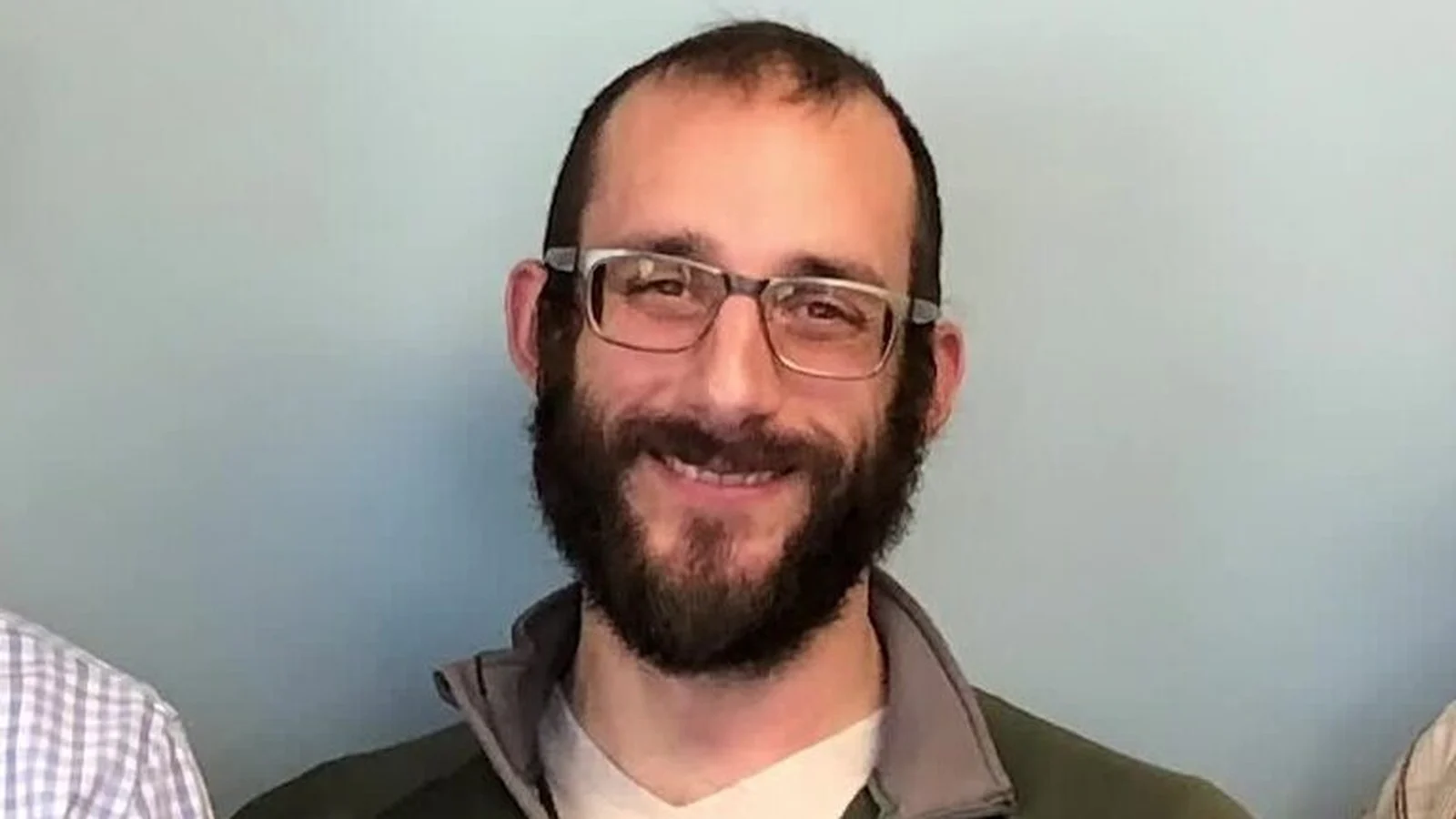
It was the kind of cold that makes the breath look fragile and the pavements treacherous — an icy ribbon of asphalt beneath boots and a dozen flashlights. On that morning in downtown Minneapolis, the air smelled of chemical irritant and burnt rubber, punctuated by the bark of orders from masked federal agents. Within seconds, a 37‑year‑old intensive care nurse named Alex Pretti, who had come out to protest an aggressive federal immigration sweep, was on the ground and dead.
What followed was the now‑familiar choreography of headlines and outrage: an administration statement portraying a deadly encounter as an act of self‑defense; bystander video shared across social platforms that seemed to tell a sharply different story; and a community left to gather, grieve and demand answers.
Two deaths in three weeks
Pretti’s killing is the second death of an American citizen in barely three weeks tied to federal immigration operations in Minneapolis. The first was Renée Good, also 37, who was shot in her car on 7 January. The proximity of the two tragedies — in time, place and context — has ratcheted public anger to new heights and deepened existing cracks between local leaders and federal authorities.
Federal officials, speaking early and forcefully, said a pistol was found and argued that an agent fired in self‑defense after a struggle. But video reviewed by journalists and shared widely online shows a different, more troubling sequence: an agent appears to deploy chemical spray at close range; Pretti, phone in hand, is shoved and wrestled to the ground; agents strike him; a sidearm is drawn; then roughly ten shots.
Warning: the footage is graphic and distressing, and many who have watched it say it does not match the administration’s initial account.
Voices on the street
“Alex was a man who took care of others for a living,” said Dr. Dimitri Drekonja, a colleague from the Minneapolis Veterans Affairs hospital where Pretti worked. “He was the type of nurse who would stay late to make sure a patient’s family understood what was happening. We joked about getting a mountain bike ride in. There are no more rides.”
Pretti’s parents, raw with grief and anger, called the official story “a string of sickening lies.” “He has his phone in his right hand,” they said in a prepared statement. “His left is empty and raised as he tries to pull a woman to safety. He will not be caricatured as a violent criminal.” They asked the public to “get the truth out about our son. He was a good man.”
“How many more residents, how many more Americans need to die or get badly hurt for this operation to end?” Minneapolis Mayor Jacob Frey demanded at a press conference, echoing the exasperation felt by many who have marched in freezing temperatures in recent days.
Crowds and confrontation
Hundreds — and on an earlier day, more than 10,000 people — took to the streets, their signs bobbing in the gray light. Protesters clashed with the heavily armed, masked federal contingent: tear gas canisters arced into crowds, flashbangs thundered, and officers pushed into protest lines. The city’s cultural institutions closed for safety; an NBA game was postponed. National Guard members were called in to support local police at the request of Minnesota officials.
Minneapolis Police Chief Brian O’Hara described Pretti as a lawful gun owner with no criminal record beyond traffic violations. Nevertheless, state investigators say they were blocked from immediately beginning their review of the scene by federal agents — a move that has heightened suspicions and eroded trust.
What officials are saying — and not saying
Homeland Security Secretary Kristi Noem — who has defended the agents’ presence but expressed a publicly altered tone after the video surfaced — told a television host: “I am grieved for the family.” Yet only a day earlier, she had described Pretti as someone “there to perpetuate violence.” Deputy Attorney General Todd Blanche told NBC’s Meet the Press that investigators are still piecing together whether the gun was already under federal control when shots were fired. “I do not know. And nobody else knows, either. That’s why we’re doing an investigation,” he said.
For a community watching every angle of recorded video, such answers feel slow and insufficient. Governor Tim Walz, who has viewed the footage, called it “sickening” and said the federal government cannot be trusted to lead the investigation alone. “The state will handle it,” he added.
Local reactions and personal stories
Pretti’s co‑workers and neighbors describe a man who loved his patients and cared for veterans with steady hands and a soft laugh. “He was always, always putting others first,” one nurse told me, wiping at tears. “He would sit with families through the worst phone calls. That’s his whole life — caring.”
On a chilly block where candles now glow, a neighbor named Maria explained why she came out to protest despite the cold. “I worked nights last week,” she said. “I saw the footage and I couldn’t sit with myself. The sound of someone being shot — in the middle of the street — it doesn’t belong here.”
Wider patterns and uneasy questions
What is happening in Minneapolis is not just local drama. It’s a flashpoint in a broader debate about the federalization of immigration enforcement, the deployment of paramilitary tactics in American cities, and the accountability of officers who operate beyond the usual purview of city police departments. When federal agents — who are often masked, out of uniform, and resistant to local oversight — step into civic space, the friction with state and municipal authorities becomes almost inevitable.
How should communities balance public safety with rights to protest? How much transparency should there be when federal agents are operating in civilian neighborhoods? These are not abstract policy questions. They are urgent, human ones: they start with a name, and end with a mourning family trying to understand how their son — a nurse — was reduced to a viral clip and a disputed narrative.
What comes next
Investigations have been announced by federal authorities; state officials say they will also conduct inquiries. The families, the city, and the nation will watch closely for details that can either confirm or contradict the accounts now circulating. Meanwhile, protesters remain on the streets at night, their chants echoing across asphalt and lake wind: “No more deaths,” “Justice for Alex,” “End the raids.”
In a neighborhood coffee shop near the hospital where Pretti worked, a barista who knew him only as a regular customer summed up the fragile mood: “People are tired. They want to breathe again. But when you see someone who does that for a living — a nurse — end up like that, it feels like a breaking point.”
Questions for the reader
What does accountability look like in an age of viral video and rapid federal response? Whose safety is prioritized when enforcement operations bypass local structures? And how do we, as a society, reconcile the need for law enforcement with the imperative to protect peaceful civic life?
These are hard questions — and they are not going away. As the city of Minneapolis waits for forensic reports and legal reviews, one reality is undeniable: a family is mourning, a community is scarred, and two lives were lost in a span of weeks to a policy that is now coming under fierce and rightful scrutiny.
For those who felt the cold and came anyway, for the veterans Pretti cared for, and for any of us who shop at the same corner store, these events are a reminder that public safety is not only about enforcement. It’s about trust, transparency and the profound human cost when that trust breaks down.