Inside a Church, On a Livestream: When Protest, Prayer and Press Collide
It was neither a cathedral siege nor a Hollywood scene, yet the images from inside a small church in Saint Paul crackled across social feeds like something out of a modern parable — a livestreamed confrontation that has now led to the arrest of a familiar face from television news.
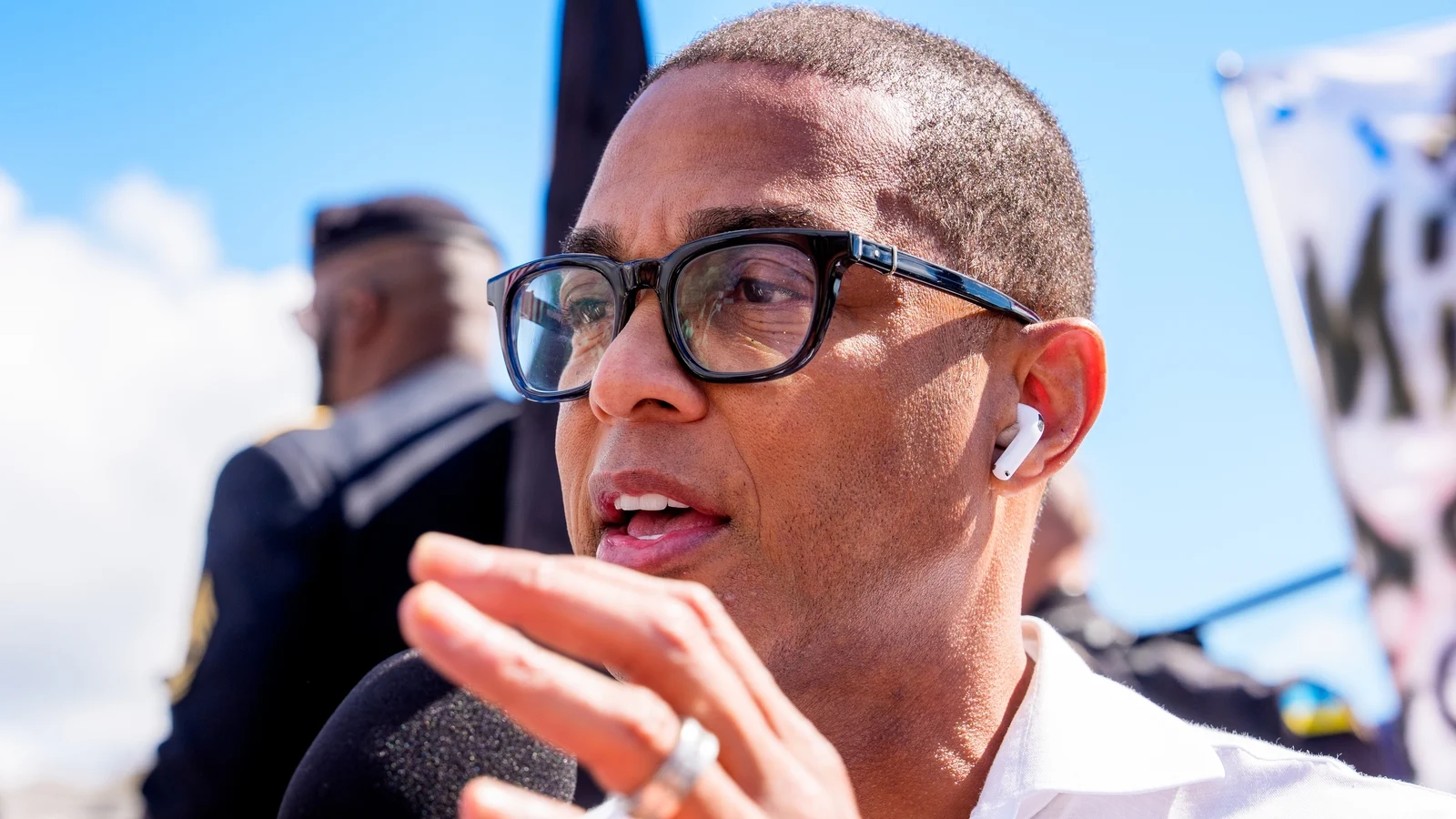
Former CNN anchor Don Lemon was taken into custody in Los Angeles this week by agents with the FBI and Homeland Security Investigations, the Justice Department confirmed. The arrest stems from his role in a protest that interrupted a worship service in St Paul earlier this month, a demonstration centered on immigration enforcement carried out as federal authorities pursued a tougher line in the region.
The moment that became a headline
Those who were in the pews that morning describe a scene that was equal parts tense and surreal. Parishioners tell of a group arriving with signs and cameras, a ruckus that cut into the liturgy, and a livestream — the sort of raw, real-time broadcasting that defines 21st-century protest. In the clip that circulated widely, you can see Mr. Lemon in a heated exchange with a parishioner about immigration enforcement.
“We were praying; then suddenly there’s shouting and people in our faces,” said a congregant who asked to remain anonymous. “It felt like our sacred time had been hijacked.” Around them, hymns were interrupted and cellphone cameras recorded both the fury and the fear.
Federal charges and a legal tangle
The Department of Justice says Mr. Lemon faces charges including conspiring to deprive others of their civil rights and violating a federal statute that prohibits obstructing access to houses of worship. A Justice Department official described the matter in legal terms; a formal indictment, prosecutors say, alleges coordinated actions to block worshippers from entering and participating in a service.
From the other side, Don Lemon’s defense is sharp and immediate. Abbe Lowell, the lawyer representing Mr. Lemon, called the arrest “an unprecedented attack on the First Amendment.” Lemon himself has said he attended the event in a journalistic capacity, alerted in advance by sources, and that he did not anticipate the service would be disrupted. “I was there to observe, not to orchestrate,” he told a reporter in a short statement.
- Arrest location: Los Angeles
- Incident location: St Paul, Minnesota
- Alleged charges: conspiracy to deprive civil rights; obstruction of access to a house of worship (per DOJ)
More than a moment: what this confrontation exposes
This case refuses to sit comfortably in a single box. It is about free speech and the limits of protest, about the obligations of journalists and the rights of congregations. It is also a prism through which to view a country increasingly prone to conflating presence with permission.
Consider the questions at the core: When does bearing witness become participation? When does protest become coercion? And what happens when a public square moves into a sanctuary?
“This is a test of how we manage competing rights,” said a civil liberties attorney who asked not to be named. “The First Amendment protects speech robustly. But the Constitution also protects the free exercise of religion and the right of worship without intimidation. Courts have long grappled with where to draw that line.”
Local voices and national echoes
In St Paul, the episode landed in a community already sensitive to immigration enforcement. Minnesota is home to many immigrant communities, and in recent years local governments and advocacy groups have often clashed with federal immigration operations over raids and deportations. For those residents, a church is not merely bricks and mortar — it’s a refuge where language and culture are preserved and where community ties are stitched together over potlucks and prayer.
“We see our church as a sanctuary,” said Maria Alvarez, a volunteer with a neighborhood outreach program. “Interrupting our worship is not just disruptive — it’s disrespectful of the people who come here for comfort and belonging.”
At the same time, critics of the protest argued that the demonstrators intended to intimidate. White House-aligned officials condemned the action, saying it targeted Christian worshippers and overstepped the bounds of acceptable protest. Supporters of the demonstrators, however, frame the event as a necessary outcry against what they call an escalated immigration crackdown — a policy front that has prompted wrenching debates across America about law, compassion and national identity.
From anchor desk to courthouse steps
Don Lemon is not an unfamiliar name to Americans who followed cable news in the 2000s and 2010s. He spent 17 years at CNN, becoming one of the network’s most recognizable presenters. His broadcasting career included prime-time shows, cultural conversations, and moments that endeared him to audiences and frustrated his critics. He was dismissed from CNN in 2023 after controversial on-air remarks directed at the then-Republican presidential candidate Nikki Haley — comments he later apologized for. President Donald Trump publicly welcomed that firing at the time.
Now, the familiar image of a newsman behind a desk has shifted to one of a defendant navigating a very different kind of public scrutiny. Whether this will lead to a courtroom showdown or a quieter legal resolution remains to be seen, but the case already spotlights a gnawing ambiguity about the roles public figures occupy when they step out from behind their cameras.
What to watch next
Observers will be watching closely how prosecutors frame the government’s interest in prosecuting speech-related activity tied to a place of worship, and how defense counsel defends the actions as legitimate journalism or protest. The outcome could have ripples beyond one church and one city.
For a nation that has debated the line between civic duty and civil disobedience for generations, here is another iteration: activists carrying smartphones and cameras into spaces previously regarded as sacrosanct, speaking loudly enough to force a legal answer. How will courts — and communities — balance the right to speak with the right to worship?
As you read this, consider: when you film, when you livestream, when you step into someone else’s space in the name of a cause, what responsibilities follow? And as observers, how should we weigh the intent of protest against the impact it leaves on ordinary lives — the elderly worshipper who misses a hymn, the child who sees conflict where comfort should be?
There are no neat answers. There are questions that will shape not only this case but the contours of public life in an era where connection is instantaneous and the lines between reporting and participation blur in the glow of our screens.