A Storm at Skaugum: Norway’s Royal Scandal and the Quiet Voices Behind the Headlines
On a cold morning outside Oslo, the stately silhouette of Skaugum looked no different than a dozen other photographs: manicured lawns, a flagpole at half-mast, and an architectural calm that has long symbolised continuity in Norway’s constitutional monarchy. Inside a courtroom, however, the quiet was different — tense, fractured, and alive with accusation. At the centre of it all is a young man who has grown up under an unusual glare, accused of crimes that could upend a royal household and force a nation to reckon with power, privacy and consent.
The case, in brief
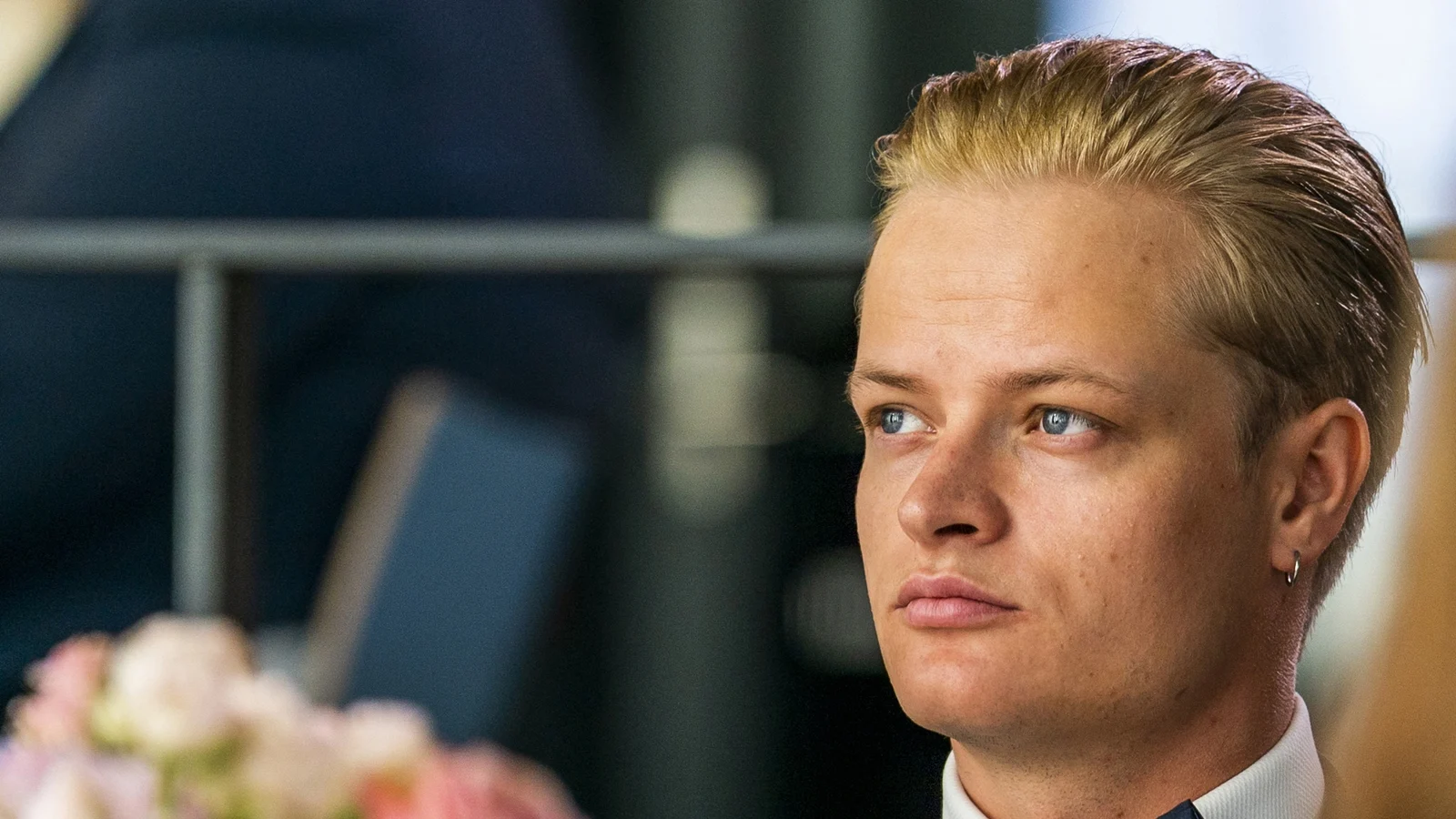
Marius Borg Høiby, 29, the eldest son of Crown Princess Mette-Marit from a partnership before her marriage to Crown Prince Haakon, stands accused of multiple serious offences, including four counts of rape and numerous assaults. He has pleaded not guilty to the most serious allegations and faces a potential sentence of up to 16 years in prison if convicted.
These are not just legal questions; they are questions about a family that straddles the private and public in complicated ways. Marius — who was raised alongside his half-siblings Princess Ingrid Alexandra and Prince Sverre Magnus but holds no official royal role — has told the court and the country about a lifetime of living in someone else’s spotlight.
From spotlight to courtroom
“I’ve been photographed since I was three,” he told the Oslo district court in a moment of visible emotion. “I’m mostly known as my mother’s son, not anything else.”
He described a life that spiralled into substance abuse and reckless behaviour, a confession that doubled as explanation: “There was an extreme need for recognition,” he said, tracing it to the glare of media attention that framed his childhood and adolescence.
Norwegian reports and the court record show he has acknowledged long-standing struggles with alcohol and drugs — words that land differently from a public figure than from a private citizen. For many readers, such admissions will stir empathetic recognition; for survivors and prosecutors, they will be read through a much harder lens.
Allegations, testimony and the slippery business of memory
The trial has been marked by wrenching testimony. One woman who testified described a night at Skaugum in December 2018 that began consensually but then — she says — blurried into a “big black hole.” She alleges that images on Mr Høiby’s phone showed sexual acts while she was unconscious and that she later suspected she had been drugged. “I couldn’t believe it. It felt like a betrayal,” she told the court through visible distress.
Defence lawyers pointed to inconsistencies in earlier statements and emphasised that Mr Høiby denies any rape, saying that sexual encounters were consensual. The line between consensual sex and sexual assault often hinges on memory, awareness and capacity — issues that courts around the world are grappling with daily.
“The court must weigh testimony against evidence, understanding that trauma is not neat and that memory is complex,” a legal scholar familiar with Norwegian criminal law told me. “We should resist simple narratives in favour of careful, humane adjudication.”
Ripples through the palace
The repercussions have been immediate. For a monarchy that enjoys high approval ratings in Norway — often hovering above 60% in periodic polls — this scandal has been described by some analysts as the most serious crisis in modern times for the royal family.
The Crown Princess and Crown Prince have not attended the trial. The palace confirmed Mette-Marit postponed a private trip abroad; she is also publicly known to be managing a serious lung condition that may require a transplant in the future. There are also fresh, uncomfortable headlines about Ms Mette-Marit’s past friendship with the late Jeffrey Epstein, a revelation that has compounded scrutiny of the family.
A longtime Oslo resident who lives near the palace told me, “You grow up with this family on postcards and schoolbooks — they’re part of our civic wallpaper. When something like this happens, it feels personal.”
Local colour and the national conversation
Outside the courtroom and beyond the palace gates, conversations in cafés and tram carriages have been quietly heated. Over steaming cups of coffee and cinnamon buns, people trade facts, rumours and moral positions.
“We talk about dignity and fairness,” said an undergraduate student in political science. “We also talk about how the media treats people who are not clean-cut public figures. Where’s the line between accountability and spectacle?”
Norway is a country proud of its social safety nets and egalitarian ethos, but the case throws into sharp relief how privilege — even informal, familial privilege — can complicate access to justice and social judgment. It raises questions most societies are confronting: how to protect victims, how to hold the accused accountable, and how to care for people who exhibit self-destructive behaviour without blurring the line between explanation and exculpation.
Bigger than one household
The trial in Oslo connects to broader global conversations. According to the World Health Organization, about one in three women worldwide have experienced physical or sexual violence in their lifetime — a stark reminder that these are not isolated incidents but part of systemic patterns. Meanwhile, research on children of celebrities and powerholders shows higher rates of mental-health struggles and substance abuse tied to exposure and expectation.
“Power dynamics matter everywhere,” said a sociologist who studies elites. “Whether it’s a palace or a boardroom, those with influence create environments where lines can be crossed — sometimes overtly, sometimes invisibly.”
Questions for readers
What do we owe survivors who come forward? How do we ensure a fair trial when the accused are public figures? Can empathy for mental-health struggles coexist with accountability for harm?
These are not rhetorical exercises. They shape policy, media ethics and everyday attitudes about consent and responsibility. They also shape how a nation sees its institutions and the people who embody them.
What happens next
The trial is scheduled to run for several weeks. Cameras are barred from publishing the names of alleged victims — a legal protection designed to preserve anonymity and dignity. Meanwhile, public opinion will continue to ebb and flow, buffeted by testimony, leaked facts and the inevitable cultural conversations that follow such cases.
What remains constant is the human toll. At the centre of legal filings and headline-making imagery are real people — victims, accused, family members and friends — whose lives will be changed no matter the verdict. As Norway watches, the world is reminded: institutions may be resilient, but they are inhabited by fragile, complicated human beings.
“We must remember to look past our desire for scandal,” a longtime court reporter said to me. “Justice takes time. So does healing.”
And as you read this, consider where you stand in the balance between empathy and judgment. How do we build systems that protect the vulnerable without discarding the presumption of innocence? How do we hold the powerful to account while offering paths to rehabilitation? The answers are messy, but they are worth pursuing — and the conversation in Oslo is only one, loud summons to begin.