Minneapolis After the Raid: A City Holding Its Breath
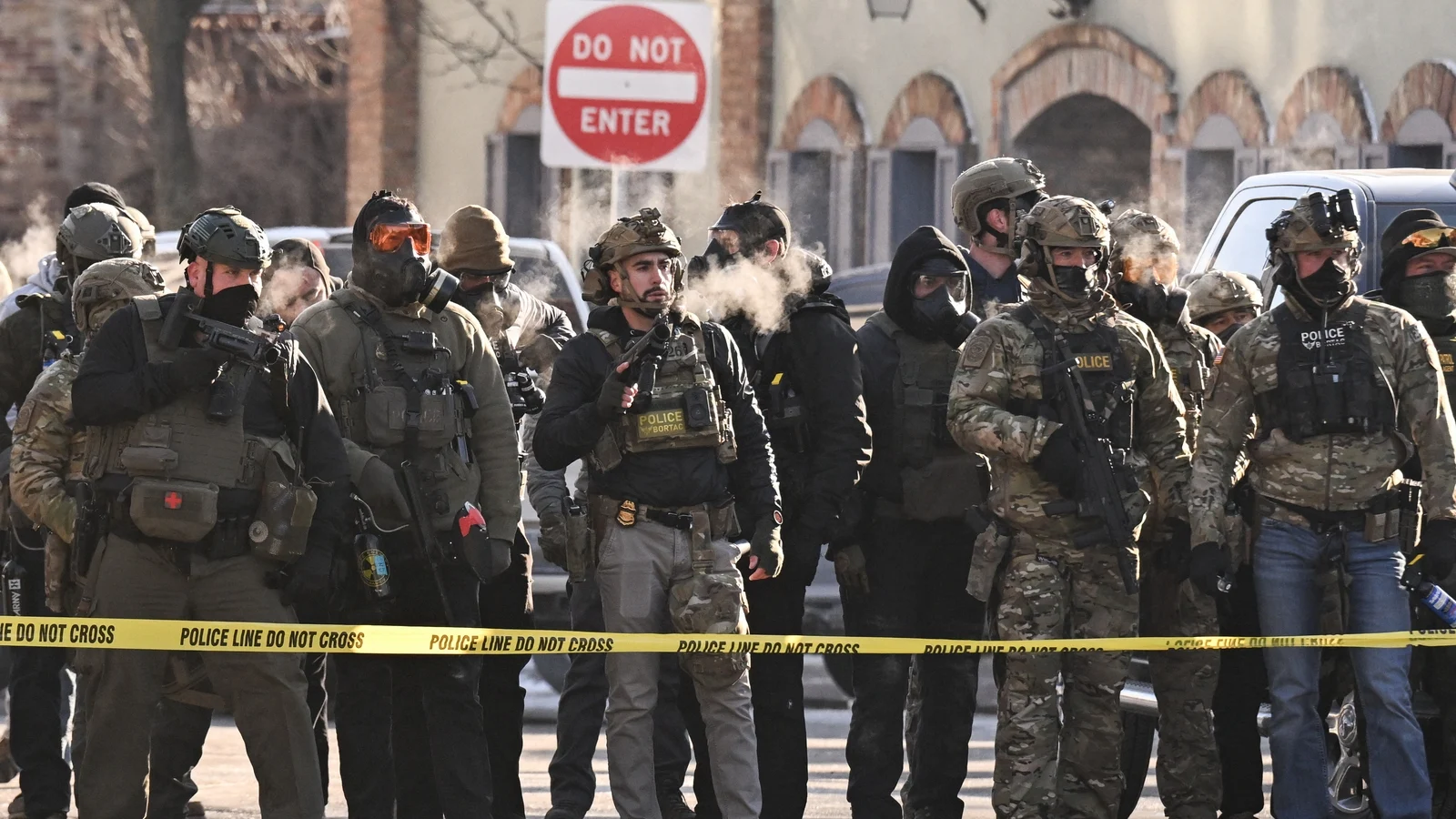
There’s a hush over parts of Minneapolis this week that feels less like peace and more like waiting — the brittle kind of pause after a siren fades but before the next one begins. The federal government announced it would remove 700 immigration enforcement officers from Minnesota, a drawdown meant to calm a city roiled by highly charged operations and two fatal shootings that touched off outrage across the country. Yet officials say the reduction is partial; roughly 2,000 officers will remain in place, and the man sent to manage the effort vows he won’t leave “until we get it all done.”
“We’re not retreating,” Tom Homan, the senior official tapped to oversee the crackdown, told reporters. “There are now more officers taking custody of criminal aliens directly from the jails. That requires fewer personnel on the streets.”
What Happened — And What the Numbers Mean
Before the recent operation, federal immigration presence in Minnesota was small — about 150 officers. In recent weeks that number swelled dramatically, a show of force that drew immediate attention and sustained protest. Then came two shootings during enforcement actions that killed Renee Good and Alex Pretti, both 37 and both Minneapolis residents; both deaths have been widely criticized and are central to why the operation became a national story.
The administration says it will pull back 700 officers “immediately,” but the remaining force — roughly 2,000 personnel by officials’ count — still represents a major federal footprint for a Midwestern state that had been lightly patrolled by immigration agents until now. For many locals, the math doesn’t translate into comfort.
Numbers, Policy and Rhetoric
“Pulling out 700 is window dressing if 2,000 stay,” said Dr. Lina Ortega, an immigration policy researcher who has studied enforcement operations in urban centers. “The scale is the point. You can’t compare presence of 150 agents to several thousand without noting the chilling effect on immigrant communities and the strain on local policing.”
ICE’s enforcement arm, Enforcement and Removal Operations (ERO), is part of a national system that manages detentions and deportations and employs thousands across the United States. Pledges from the president to pursue “mass deportations” — words Homan echoed when he said the administration “fully intends to achieve mass deportations during this administration” — have amplified fear and resistance in immigrant neighborhoods from coast to coast.
On the Ground: Voices and Tensions
Walk through the neighborhoods where protests clustered and you’ll hear people speak not in abstract policy terms but in the language of family and fear. A corner grocery owner who asked to be identified only as Maria described the mood: “People come in whispering. They ask me if I’ve heard anything. They’re scared to go to work, scared to drive their kids to school. This isn’t about law or order for us. It’s about being able to breathe.”
At a makeshift memorial near one of the scenes, candles and hand-lettered signs sit beside a pile of winter gloves and a well-thumbed paperback. Neighbors trade stories: a nurse who says she saw the operation from the hallway across the street; a retiree who says he heard shouts before a car sped away. “You learn your city in pieces like this,” the retiree told me. “You see what happens when power moves in and the people who live here are collateral.”
Federal officials, for their part, have framed the operation as targeted and necessary. “We’re focused on public-safety threats,” an ICE official said on background, declining to be named. “We do not target families or lawful residents. We’re attempting to remove individuals who have serious criminal histories.”
Community Reaction
- Protesters and civil-rights groups have demanded transparency, investigations and the withdrawal of federal forces.
- Local officials have criticized the tactics and the body count, calling for independent inquiries into the shootings.
- Some residents, often from neighborhoods hit hardest by violent crime, voiced mixed feelings — empathy for the grief and anger at the loss of life, but also concern about whether federal presence might reduce violent offenders on the streets.
The Politics Behind the Move
President Trump, in an interview following the unrest, hinted that the response might shift in tone. “I learned that maybe we could use a little bit of a softer touch. But you still have to be tough,” he told NBC’s Nightly News.
The change in tone came after the president replaced a combative Customs and Border Protection commander with Homan, a more policy-focused figure who promised a conditional drawdown tied to improved cooperation with state and local authorities. For the administration, the calculus appears to be political and procedural: tamp down the optics without abandoning the administration’s broader immigration agenda.
Why This Matters Beyond Minnesota
Consider this: a local enforcement action can quickly become a national story because it sits at the intersection of immigration, policing and civil liberties — themes playing out in cities worldwide. From demonstrations in Europe over asylum policies to debates in Asia about border control, governments are balancing security, humanitarian concerns and public perception.
In the United States, the Minneapolis episode underscores a broader fault line: who has the right to police, and when federal action overrides local norms and community trust. “What we’re seeing is the nationalization of local enforcement,” said Jamal Reed, a criminal-justice reform advocate. “That tends to escalate tensions because communities feel they’ve lost the right to negotiate their own safety.”
What Comes Next — Questions the City Must Answer
Investigations into the two deaths are ongoing, and many questions remain unanswered: Were proper procedures followed? What oversight was in place? How do communities reconcile the stated goal of public safety with the trauma of loss in operations meant to enforce the law?
And for the rest of us, there are broader questions worth asking: How do democracies balance border control with human dignity? When is a “softer touch” merely a pause in momentum rather than a change of heart? How do we measure the real outcomes of sweeps that are billed as targeting “criminal aliens,” when every identity has ripple effects through families, workplaces and schools?
Closing Thoughts
Minneapolis right now is both a cautionary tale and a living, breathing community trying to heal. The removal of 700 officers is not a retreat as much as a recalibration — and the 2,000 who remain are a reminder that policy decisions are never abstract. They land in kitchens and on front porches. They are felt in the silence of a grocery store and the defiant chant of a protester.
As this story unfolds, keep an eye on the investigations, on how local leaders negotiate with federal counterparts, and on the quiet ways communities mend. And ask yourself: what kind of enforcement makes a city safer for everyone — not just on paper, but in the lived experience of its people?