Betrayal in the Bushes: A Close Call on a Florida Fairway
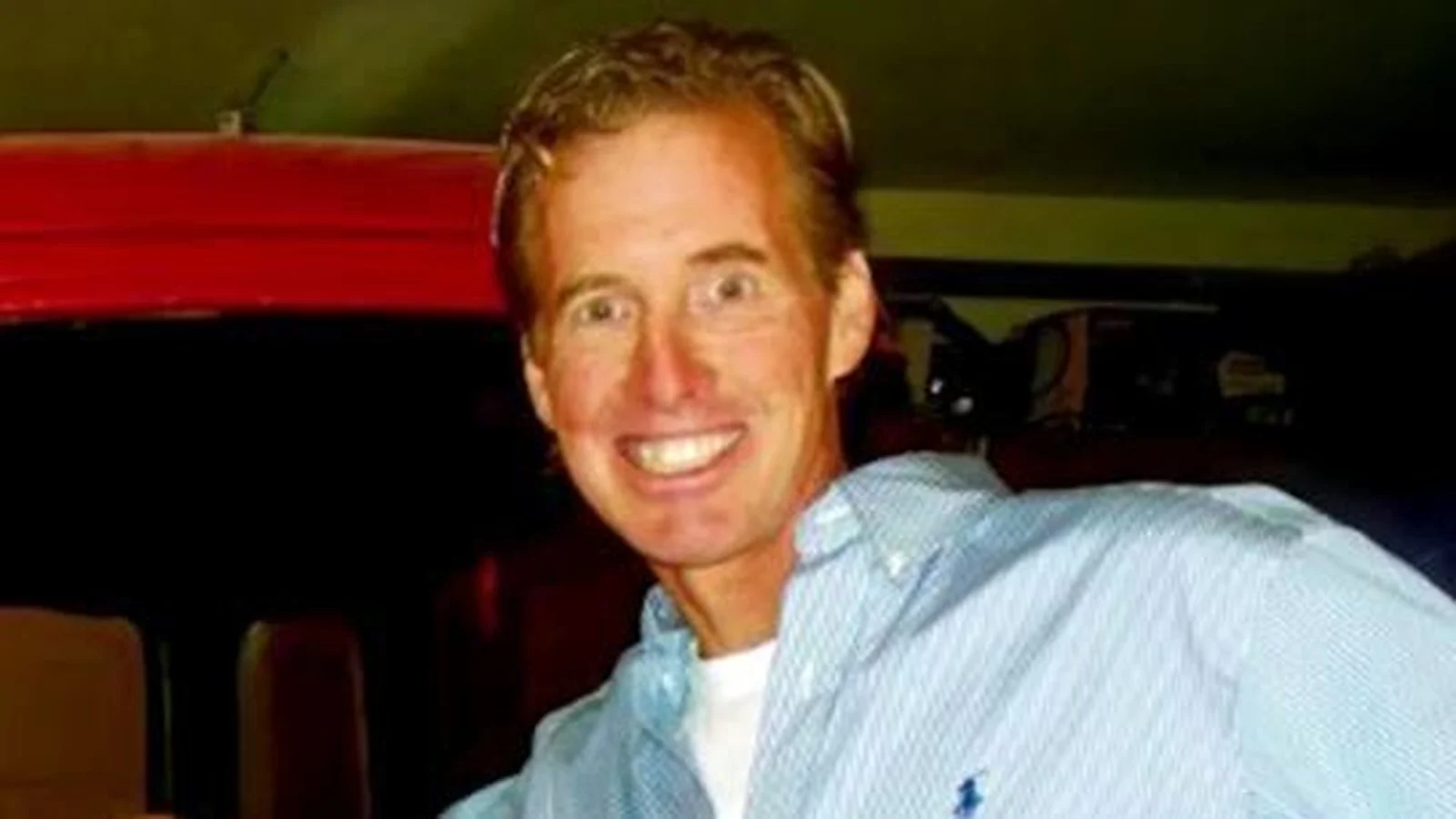
There is a strange hush that falls over a golf course when the palms stop swaying and the chatter dies. On the morning of 15 September 2024, that hush was the work of fear and precision, not wind. A man—later identified as 59-year-old Ryan Routh—had buried himself in the scrub and sawgrass near a greenside path at Trump International Golf Club in West Palm Beach, clutching an assault-style rifle and waiting for the man who would soon be sworn in again as the President of the United States.
He was discovered by Secret Service agents who had been tracking the perimeter. They found him after hours hidden in thick foliage, a few hundred yards from where Donald Trump was swinging on the course. Routh fled, leaving behind an AR-style rifle, two bags containing what appeared to be metal plates resembling body armor, and a video camera trained on the fairway. He was arrested later that day.
A Life Sentence, a Courtroom Unraveling
On a humid afternoon in Fort Pierce, US District Judge Aileen Cannon handed down the heaviest possible penalty: life in prison. The sentence followed a jury conviction in September of five counts, most starkly the attempted assassination of a presidential candidate. Prosecutors had urged the court to impose life, arguing the plot was months in the making; Routh had asked for 27 years.
“It’s clear to me that you engaged in a premeditated, calculated plot to take a human life,” Judge Cannon told Routh during the sentencing. The line landed with a finality that left no room for equivocation.
From Truck Stop to Bushes
The evidence the government laid out was methodical and unnerving. Court filings say Routh arrived in South Florida about a month before the incident and spent nights at a truck stop while tracking the former president’s movements. He carried six cell phones, used false names, and—as prosecutors detailed—lay in wait for nearly 10 hours on the day of the attack.
“This wasn’t a spur-of-the-moment act,” said John Shipley, the lead federal prosecutor at the sentencing hearing. “It was carefully crafted and deadly serious. Without the Secret Service’s presence, Donald Trump would not be alive.”
The Man Who Defended Himself
Routh eschewed courtroom counsel and chose to represent himself at trial. The gambit did not shelter him. His opening statement wandered from the origins of the human species to the settlement of the American West—digressions that prompted the judge to gently, then firmly, bring him back to the facts at hand.
He pleaded not guilty. He later offered a rambling address at sentencing about foreign wars and his desire to be exchanged with political prisoners abroad. “I have given every drop of who I am every day for the betterment of my community and this nation,” he told the court, a line that sounded at once plaintive and detached from the severity of the charges.
In filings he denied the intent to kill, and expressed willingness to undergo psychological treatment for a personality disorder while imprisoned. Prosecutors countered that Routh had shown no remorse and was prepared to kill anyone who got in his way.
Pieces of Evidence, Pieces of a Life
Investigators catalogued a grim inventory: the abandoned rifle, body-armor-like plates, a camera aimed at the property, and the man who had spent hours in the humidity-laden brush. After the jury delivered its verdict, Routh twice tried to stab himself with a pen in the courtroom and had to be restrained by U.S. marshals. His daughter, distraught, shouted that he had hurt no one and vowed to free him.
- Routh convicted on five counts: attempted assassination, three illegal firearm possession charges, and impeding a federal officer.
- Secret Service agents located him only a few hundred yards from where the former president was golfing.
- Routh had multiple phones and used fake identities to conceal his presence.
Voices from the Palm Beach Community
West Palm Beach is a place of summer colonnades, Cuban cafecito, and a parade of snowbirds who chase warmth from the north. But locals I spoke to said the incident pierced that veneer of leisure.
“You don’t expect to wake up to something like this here,” said Miguel Alvarez, who runs a small citrus stand near the Turnpike. “We see politicians, we see limos, but we never imagine guns in the bushes. It makes you sleep with the light on.”
An off-duty security officer who lives near the club, speaking on the condition of anonymity, said the community has always been tightly vetted during high-profile visits, but admitted, “You can’t watch every tree. That’s the terrifying part. One person can change everything.”
What This Means in a Polarized Time
It is tempting to write this off as a single deranged act. But too often, isolated incidents are the visible tips of deeper currents—polarization, conspiracy-driven narratives, and a cocktail of grievance and access to weapons. The attempted assassination came two months after a bullet grazed Mr. Trump’s ear at a campaign rally in Butler, Pennsylvania—another jarring episode in a fraught election season that culminated in Trump’s return to the White House that November.
For many, the incident raised the same unnerving question: are our political disputes sliding toward permanent danger? “Political violence is not just an assault on a person,” said an academic who studies extremism and asked to remain unnamed. “It’s an assault on the legitimacy of the process. The message is that disagreement is no longer a civic conversation but a battlefield.”
Beyond the Headlines: The Human Aftermath
There are practical questions ahead. How do you reconcile the open, accessible optics of modern campaigning with a security apparatus designed for secrecy? How do community leaders and mental health professionals work to detect dangerous isolation before it hardens into violence?
“We need better pathways for people to get help without stigma, and for communities to be more resilient,” said a counselor who works with veterans and law enforcement families. “This isn’t just about guns or security protocols—it’s about belonging and intervention.”
Closing Thoughts and a Call to Reflection
The sentence brings legal closure: a man who admitted to neither murder nor a clear motive now faces the rest of his life behind bars. But what it leaves unsettled is broader and more insidious—how a democracy polices the edges of its discourse when the center cannot hold.
As you read this from wherever you are—urban or rural, near a coastline or deep inland—ask yourself: what kinds of safeguards do we owe one another? How do we balance free expression against the reality that words can be fuel for violent acts? This case is a small, chilling lens through which we can view those urgent questions.
Donald Trump posted on Truth Social after the verdict: “This was an evil man with an evil intention, and they caught him.” The court has decided the man will not walk free again. The real work now is quieter, less sensational: rebuilding trust, reducing harms, and insisting that political dissent remain a contest of ideas, not a contest of force.