In the Shadow of Bondi: Sydney Braces as Israel’s President Visits
Sydney in early summer is supposed to hum with surfers, café chatter and the warm creak of tram wires. Instead, the city is taut with something else—grief braided to anger, memory braided to caution—because visitors in dark suits will walk past memorial candles and fresh flowers to meet a community still counting wounds.
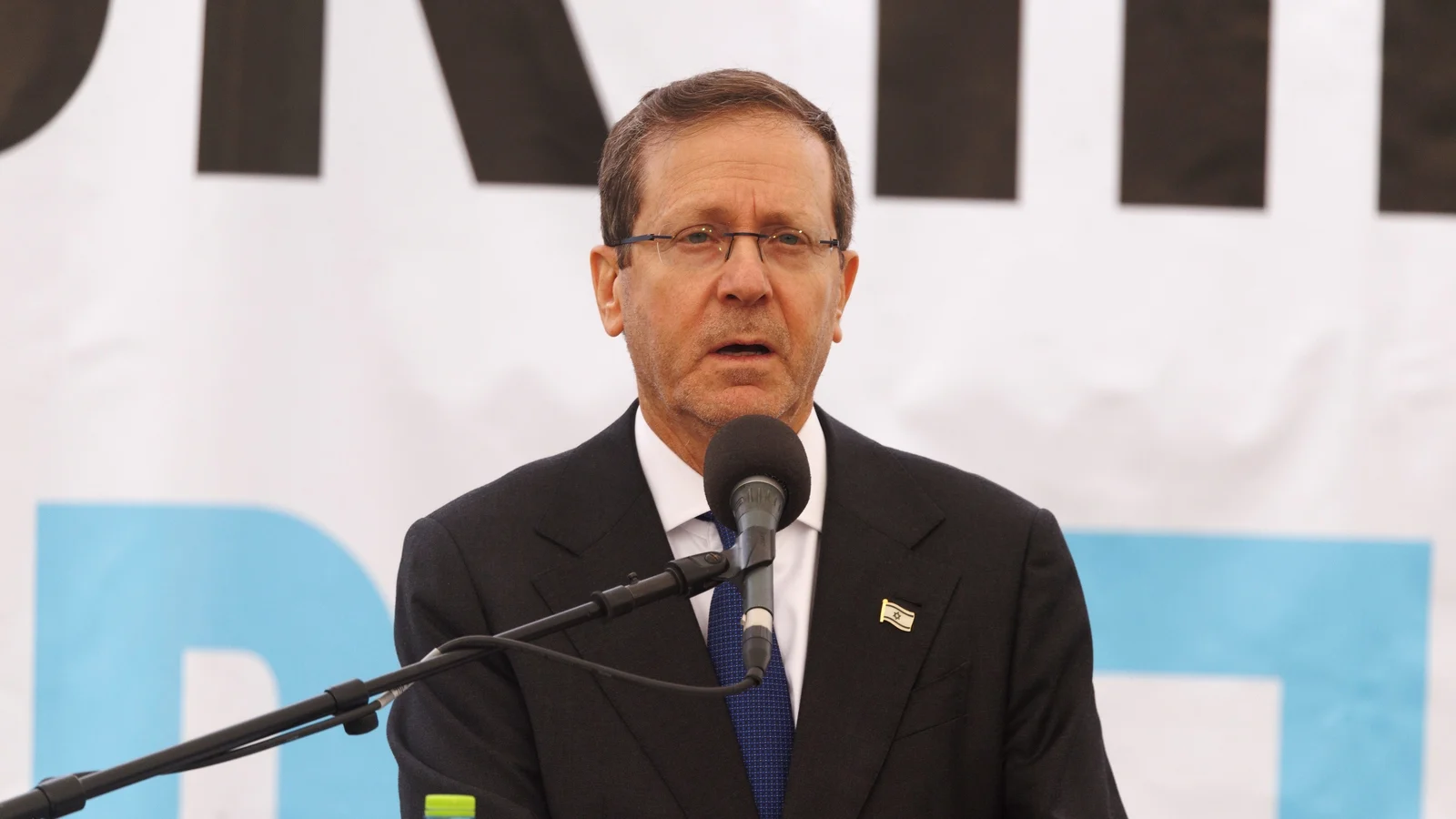
On Monday, Israeli President Isaac Herzog arrives for a four-day visit that his aides say is meant to “express solidarity and offer strength” to Jewish Australians after the Bondi Beach massacre that stunned the nation on December 14, 2023. Fifteen people were killed in that attack, and the memory of that night still lingers in the salt air and on the plaques pinned to lamp posts across eastern Sydney.
“It’s really important that there’s no clashes or violence on the streets in Sydney,” New South Wales Premier Chris Minns told reporters this week, urging calm as officials prepare for what they call a “major event.” For residents of Bondi and visitors to the city, that sentence carries more than procedural weight—it is a plea to hold back the flashpoint emotions that have been building for months.
Police, Protests and the Tightrope of Public Order
Authorities have signalled that the capital will be heavily policed. “We will have a massive policing presence,” Minns promised, and NSW police have invoked special powers that allow them to separate groups and thwart confrontations. The language is procedural, but on the street it means barricades, strategic road closures and a visible force designed to prevent what everyone fears: the moment two grieving crowds lock eyes and tempers spill into violence.
Pro-Palestinian activists across Australia have called for demonstrations to coincide with Herzog’s visit. Some marches will go ahead in cities and towns, while in parts of central Sydney police have refused authorisation for protests under the newer powers introduced after Bondi—measures designed to protect public safety but which some civil liberties groups say risk chilling dissent.
“We are not here to provoke—people are here to mourn, to demand accountability, to call for an end to violence,” said a pro-Palestinian organiser, who asked not to be named because of the sensitive policing environment. “But when official plans mean our voices are pushed to the margins, tensions build.”
Two Narratives in Collision
To many Jewish Australians, Herzog’s visit is galvanising. “His visit will lift the spirits of a pained community,” Alex Ryvchin, co-chief executive of the Executive Council of Australian Jewry, said, reflecting a widespread desire among Jewish community leaders for recognition and reassurance. For families who lost loved ones that night, and for people who feel the ground has shifted beneath them, the president’s presence is a signal that they are not alone.
For others, however, the visit is a provocation. Amnesty International Australia has urged supporters to rally for an end to what it calls “genocide” against Palestinians and has pushed for investigations into alleged war crimes; Chris Sidoti, a prominent human rights lawyer who sat on a UN-established inquiry, called for Herzog’s invitation to be withdrawn or for his arrest upon arrival. In 2025, the UN’s Independent International Commission of Inquiry reported that Mr Herzog had “incited the commission of genocide” by suggesting collective responsibility of Palestinians for the 7 October 2023 Hamas attacks—a finding that remains deeply contentious and resonates loudly with activists here.
That cacophony of accusation and defense is mirrored in living rooms and cafés across Sydney. “We can’t allow the streets to be another battlefield,” said Marisol, a Bondi café owner who has been serving free coffee to mourners at an informal memorial. “People come in with tears. They want comfort, not a news cycle spectacle.”
Law, Immunity and the Limits of Accountability
Central to the debate is a knot of international law and national politics: visiting heads of state generally enjoy broad immunity under the Vienna Convention. Australia’s federal police told legislators that they received legal advice suggesting President Herzog has “full immunity” from civil and criminal proceedings during his visit, a position that effectively rules out arrest despite calls from human rights advocates.
“Heads of state are afforded protections in almost every jurisdiction to prevent diplomatic incidents,” a legal scholar at an Australian university explained. “That does not mean claims of wrongdoing vanish. It means the route to accountability is often political and diplomatic rather than judicial in the moment.”
The question many Australians are asking is uncomfortable and consequential: how do you balance a nation’s obligations to host foreign dignitaries—and the legal immunities that accompany them—with a community’s urgent calls for justice? It’s a debate that reaches beyond Sydney, touching on global norms about immunity, impunity and the architecture of international accountability.
Local Voices: Grief, Fear and the Desire for Normalcy
For people on the ground, these are not abstract arguments. They are daily realities. “Since 2023 there’s been a noticeable uptick in antisemitic incidents in our neighbourhood,” said Rabbi Jonah Levin, who runs a community outreach program in the suburbs east of the city. “People whisper that they don’t feel safe walking to synagogue on certain days. That’s a terrible thing to say about our city.”
Across the divide, young activists describe a different fear. “We don’t want our protests to be written off as violence,” said Layla, a 22-year-old student who plans to join a peaceful march. “We want our message heard: stop the killing. We want humanity for Palestinians and for Israelis who oppose the government’s policies.”
Both sides, it seems, live with a sense of vulnerability: vulnerability to renewed bloodshed, to the overreach of state power, to the slow erosion of public discourse into moral absolutes. What holds them together, precariously, is a city’s commitment to public order and to the rule of law.
What This Visit Says About Our Times
This visit is more than a diplomatic courtesy. It is a mirror of global fractures: the migration of political conflicts into diasporic spaces, the role of international law when moral outrage circulates faster than courtrooms can convene, and the way local communities become canvases for distant wars.
What will Monday look like? For now, Sydney plans for heavy policing and for separated protest zones—an operational answer to a moral problem. But operational answers have limits. Will this visit soothe a grieving community? Will it widen rifts? Will it help carve out a path toward accountability, or will it harden positions?
These are questions that do not have neat answers, and they are questions that invite citizens everywhere to reflect on how democracies manage grief, dissent and the rule of law in a world where local streets are rarely insulated from global conflicts.
After the Visit
When the motorcade leaves and the barricades lift, Sydney will return to its coastal rhythms. But the echoes of this visit—and the longer debates it has stoked—will linger. The hope, fragile but real, is that the conversations that unfold in living rooms and council chambers will be guided by the same care people have shown at memorials: a desire for truth, a yearning for safety, and a willingness to listen.
What would you want your city to do when an international flashpoint lands on your doorstep? How do we keep streets safe without silencing protest? These are the questions Sydney is trying to answer now, and their implications will ripple far beyond its beaches.