The Night a Shadow Crossed Moscow
It was a cold, ordinary night on the Volokolamsk highway — the kind of stretch where headlights blur into a long, indifferent ribbon and apartment blocks stand like watchful sentinels. At about 12 kilometers from the Kremlin, in a tidy building used to the low hum of city life, a senior figure in Russia’s military intelligence was hit three times with a silenced Makarov. The sound, one neighbour later recalled, was not much louder than a dropped tray — and yet it changed everything.
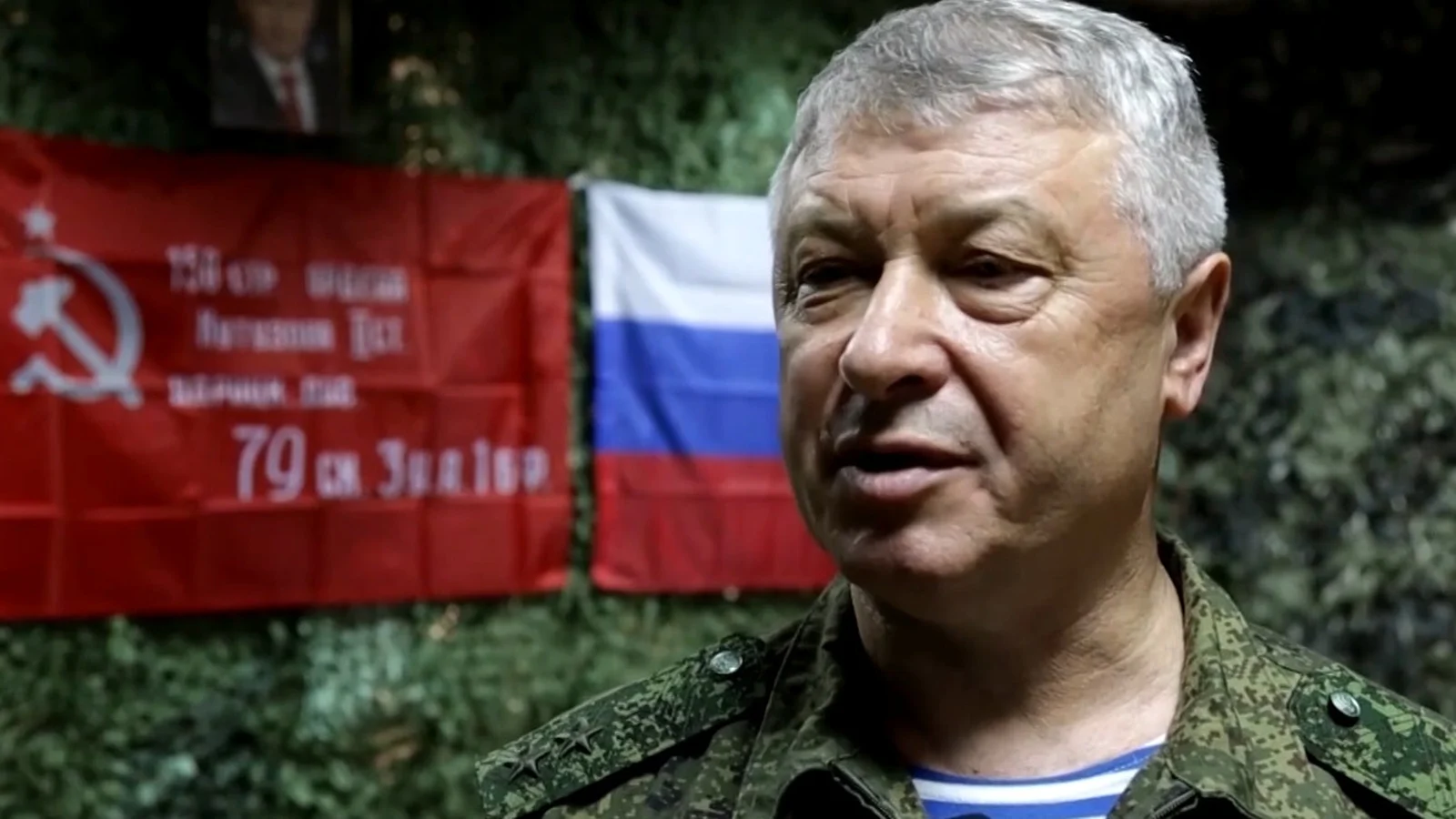
Lieutenant General Vladimir Alexeyev, 64, deputy head of the GRU, was rushed to hospital. Surgeons operated through the night. His wife, speaking into the narrow world of Russian war bloggers, said he had regained consciousness and could speak — a fragile, human detail in a story otherwise filled with badges, black vans and terse statements.
From Dubai to a Blindfold on a Tarmac
The case took an international turn as Russia announced that a man had been detained in Dubai and flown back to Moscow. The Federal Security Service (FSB) identified him as Lyubomir Korba, a man born in the Ternopil region of Soviet Ukraine in 1960 who now held Russian citizenship. Russian state media showed the familiar scene: masked officers leading a blindfolded figure off a small jet in the dark.
President Vladimir Putin publicly thanked Sheikh Mohamed bin Zayed Al Nahyan of the United Arab Emirates, a rare diplomatic olive branch in a tense year. The UAE, for its part, offered no public detail on how Korba was captured or handed over, leaving the mechanics of his arrest shrouded in official silence.
Who Does Russia Say Was Involved?
Russian investigators quickly painted a picture of a plot with multiple players. They named two alleged accomplices: Viktor Vasin, detained in Moscow, and Zinaida Serebritskaya, who they say escaped to Ukraine. Moscow accused Kyiv of ordering the attack through its intelligence services; Kyiv, through its foreign minister, Andrii Sybiha, flatly denied involvement.
- Suspect extradited from Dubai: Lyubomir Korba (b. 1960, Ternopil)
- Alleged accomplice detained in Moscow: Viktor Vasin
- Alleged accomplice reported to have fled to Ukraine: Zinaida Serebritskaya
Independent verification of details remains difficult. International outlets mirrored the official footage and statements, but journalists on the ground and foreign diplomats emphasized the fog that still hangs over intelligence operations and their narratives.
A Man in the Machine
Alexeyev is not a minor figure. As deputy head of the GRU — Russia’s military intelligence apparatus that runs agents, special forces and clandestine cyber operations — he operated near the nerve centre of a service that has been central to Moscow’s strategy in the Ukraine war. He first entered public view in 2023, shown attempting to calm Yevgeny Prigozhin during the brief Wagner mutiny — a filmed, awkward act of damage control remembered now as a prelude to the mercenary chief’s death in a plane crash later that year.
“He understood how the gears worked,” said a former colleague who asked not to be named. “When people speak of generals, they imagine grand strategy. He was about the far messier, everyday craft of intelligence.” His wounding has been described by some Kremlin critics as a sharp, personal blow to the services that have helped run the war effort.
Shadow Battles: The Campaign Beyond the Front Line
This attack is best understood as a single flashpoint in a wider, shadowy campaign. Since Russia invaded Ukraine in February 2022, a dense web of sabotage, cyberattacks, disinformation and targeted killings has grown between the two states — a modern hybrid war in which civilian neighbourhoods and diplomatic backchannels have become battlefields.
Russian officials say that since December 2024, three other officials of similar rank to Alexeyev have been killed in or near Moscow. Kyiv has at times claimed responsibility for strikes on Russian military leadership; at other moments it has remained publicly silent. The pattern has unnerved both Moscow’s security elite and ordinary residents who now scan their stairwells with a new vigilance.
“It’s like living next to a fault line,” said Olga, a pensioner who was watching television in an apartment several blocks from the scene. “You hope nothing happens and yet you cannot pretend the earth isn’t moving.”
Questions, Theories, and a Thinning Veil of Certainty
Who carried out this attack, and why, is the question that now hums in Moscow’s corridors. Russian authorities say the suspect acted on orders from Ukrainian intelligence. Ukrainian officials reject that claim, with Foreign Minister Sybiha suggesting the possibility of internal Russian infighting. “We don’t know what happened with that particular general — maybe it was their own internal issues,” he said.
To independent analysts, the answer is rarely singular. “These operations serve many purposes,” said Elena Markova, an independent security analyst in London. “They can be tactical — the removal of a particular operative — but they are also psychological operations meant to sow fear, undermine trust and signal capability. The fact that such an attack could occur so close to the Kremlin speaks to gaps in security and to the sophistication of whoever planned it.”
The Bigger Picture
On a global scale, this incident is a reminder that modern conflicts are no longer confined to trenches and tanks. Intelligence services operate transnationally, leveraging safe havens, commercial flights and legal grey zones. The alleged arrest in Dubai and the subsequent diplomatic thank-you between Moscow and Abu Dhabi illustrate how states are entwined in a complex web of cooperation and competition.
Meanwhile, the human toll of the conflict in Ukraine cannot be forgotten: since February 24, 2022, millions have been displaced and estimates — produced by a range of governments and NGOs — point to tens of thousands of casualties on both sides, with infrastructure and communities suffering deep, long-term damage.
What Now?
For Moscow, the immediate priorities are clear: stabilize, investigate and control the narrative. For the family of the wounded general, it is to hope for recovery in a world where the front line can appear in a stairwell. For citizens living in the shadow of those fronts, the attack raises a quieter, more unsettling question: how safe is any life, even so close to the seat of power?
“We are living in a different kind of war,” an anonymous security official told me. “Not just artillery and tanks — but infiltration, misdirection, and personal vulnerability. That’s what makes this so discomfiting.”
As you read this, consider the scale of the new battlefield: it stretches from the cyber-servers of Tallinn to the embassies of the Gulf, from the quiet corridors of apartment complexes to the corridors of power. What does it mean for governance, for diplomacy, for ordinary peoples’ sense of safety when the war can touch a living room, a hospital bed, or a quiet night on a highway?
We will watch, as journalists do, for verified facts — names confirmed, motives tested, evidence produced. For now, the image that lingers is of a blindfolded man on a tarmac, a wounded general in a hospital bed, and a city that thought itself insulated from the sharper edges of this conflict. The question is whether that illusion will last another night.