The Calm After the Cabinet: Starmer, Sarwar and the Unsettling Business of Power
On a gray Westminster morning, where pigeons braved the square and the flags above Downing Street hung motionless, a political drama that smells faintly of old London corridors played out with new-party choreography.
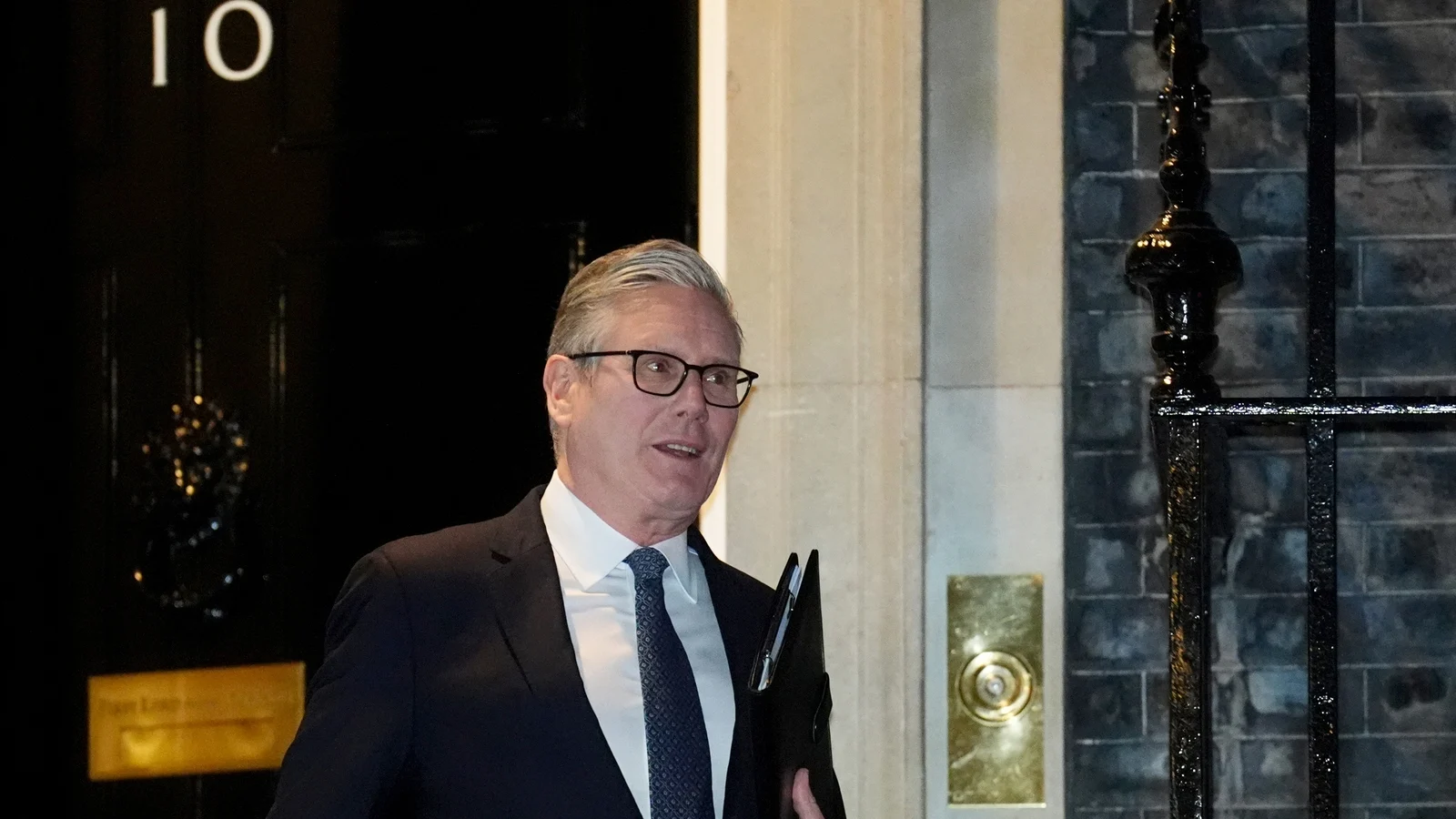
Keir Starmer—Britain’s prime minister, measured in public and now weathered by fresh scrutiny—stood before his inner circle at a closed political cabinet and delivered a message that was both conciliatory and combative. He pledged to keep “relentless focus on the priorities of the British people,” he said, underlining cost-of-living pressures that still haunt households across the country.
It was the kind of line a leader uses to steady the room: familiar, necessary, and meant to redirect attention. But beneath the composure lay a row that had briefly threatened to unmoor his premiership.
A fissure that became a test
The day before, Anas Sarwar, the leader of Scottish Labour, did something rare: he publicly called on the prime minister to step down. For a national party sensitive to unity ahead of the Scottish Parliament elections in May, the intervention was seismic.
“This isn’t personal. It’s political. We cannot allow distraction to cost Scotland a change in government,” Sarwar told reporters in Glasgow, his voice carrying both urgency and, for some, alarm.
At Westminster, Starmer returned fire not with invective but with a steadier tactic. He thanked his cabinet for standing with him, and, in a public readout, insisted the Labour Party as a whole was behind Sarwar’s ambition to become Scotland’s first minister. It was a curious melding of solidarity and steely resolve: a promise to back Sarwar’s campaign north of the border while refusing to be unseated in London.
Behind the headlines: people, parties and the politics of distraction
The backdrop to this moment is not a single scandal but a messy set of headlines and departures that have rattled Downing Street. Senior aides have left in recent days. Tim Allan resigned as communications chief; Morgan McSweeney’s exit was swiftly followed by promotions: Vidhya Alakeson and Jill Cuthbertson are now joint acting chiefs of staff. Reports also suggest the cabinet secretary, Chris Wormald, may be preparing to bow out.
For many MPs, the calculus was straightforward. One veteran backbencher told me over tea: “We don’t relish palace coups. We want to win elections, not rehearse them in the papers. We were watching for a stampede and none came.”
Conservative leader Kemi Badenoch seized the moment to demand Starmer’s resignation in a column, arguing he had “proved incapable” of prime-ministerial responsibilities. Yet within Labour ranks, there was no mass exodus. That mixed verdict—public worry, private loyalty—has left Starmer tentatively in place, for now.
What locals are saying
Outside the Westminster bubble, the conversations are both practical and pointed. On the high street of Paisley, a commuter named Aileen McKay wiped condensation from her coffee cup and said: “I don’t follow the backroom stuff too closely. My concern is the price of groceries and heating. If politics makes that worse, that’s when I’ll listen.”
In Glasgow’s East End, where many hope Sarwar’s Labour can topple the SNP in May, a council worker named Faisal Ahmed said: “Anas is talking about jobs, schools. If he says Starmer should step down, it’s because he’s thinking of how we win here. But people want leaders who can focus on everyday life.”
Downing Street reshuffle: administrative reboot or crack in the foundation?
Starmer has signalled a desire to make Downing Street “more open and inclusive.” That rhetoric has translated into a rapid re-ordering of the prime minister’s inner office—both a practical necessity after departures and a political signal of reform.
“Organisations reset when trust is shaken,” said Dr. Helena Marks, a political scientist at the London School of Economics. “Promotions from within can indicate continuity, but the loss of senior civil servants and communications chiefs can destabilise a leader trying to show steadiness.”
These personnel moves matter. A chief of staff is the prime minister’s immediate tether to the machine of government, and communications chiefs shape public perception of crises. When those positions turnover quickly, media narratives move in ways that can make leaders look reactive rather than proactive.
Global stage beckons: Munich and beyond
With the immediate internal threat diminished, Starmer plans to travel to the Munich Security Conference at the end of the week—a concentration of foreign ministers, defence chiefs and leaders from across the Atlantic and Europe. The forum arrives as relations among NATO allies and the future of the transatlantic bond face intense scrutiny.
“He’ll need to pivot quickly from domestic turbulence to global seriousness,” said Tomas Weber, a security analyst. “International partners watch stability closely. A leader under siege at home does not inspire confidence abroad.”
The bigger picture: leadership, accountability and the public mood
This episode is about more than personalities. It’s about how modern democracies manage leadership crises in an era of viral headlines and instant speculation. It raises questions about loyalty versus accountability, the relationship between national and regional wings of a party, and how short-term controversies can derail long-term agendas—especially when voters are worried about money in their pockets.
Cost of living remains the top concern for many households in Britain. Energy bills, food prices and housing costs have dominated public anxiety since the economic shocks of the last few years. Whatever of the palace intrigue, voters will judge parties on whether they deliver day-to-day security.
So what should we make of it? Is this a sign of a party robust enough to thrive on debate, or brittle enough to fracture at the first sign of trouble? And for voters: can leaders be both disciplined and human enough to weather scandals without becoming unmoored from the issues that matter?
Key developments at a glance
- Keir Starmer chaired a political cabinet and declared Labour unity behind Anas Sarwar’s bid for Scottish first minister.
- Anas Sarwar publicly called for the prime minister to resign, citing the distraction he feared would harm Labour’s prospects in Scotland.
- Senior aides have departed Downing Street; Vidhya Alakeson and Jill Cuthbertson are joint acting chiefs of staff.
- The prime minister plans to attend the Munich Security Conference as international concerns continue to mount.
As the story evolves, keep an eye on the people whose lives are shaped by these decisions—the shopkeepers, nurses, bus drivers and teachers who place bread on their tables and expect government to be steady enough to help. Politics may seem to live in Westminster’s ornate rooms, but it lands in kitchens, classrooms and workplaces every day.
What would you want your leaders to be doing right now: standing firm, cleaning house, or stepping aside? The answer may shape Britain’s path to the May elections—and beyond.