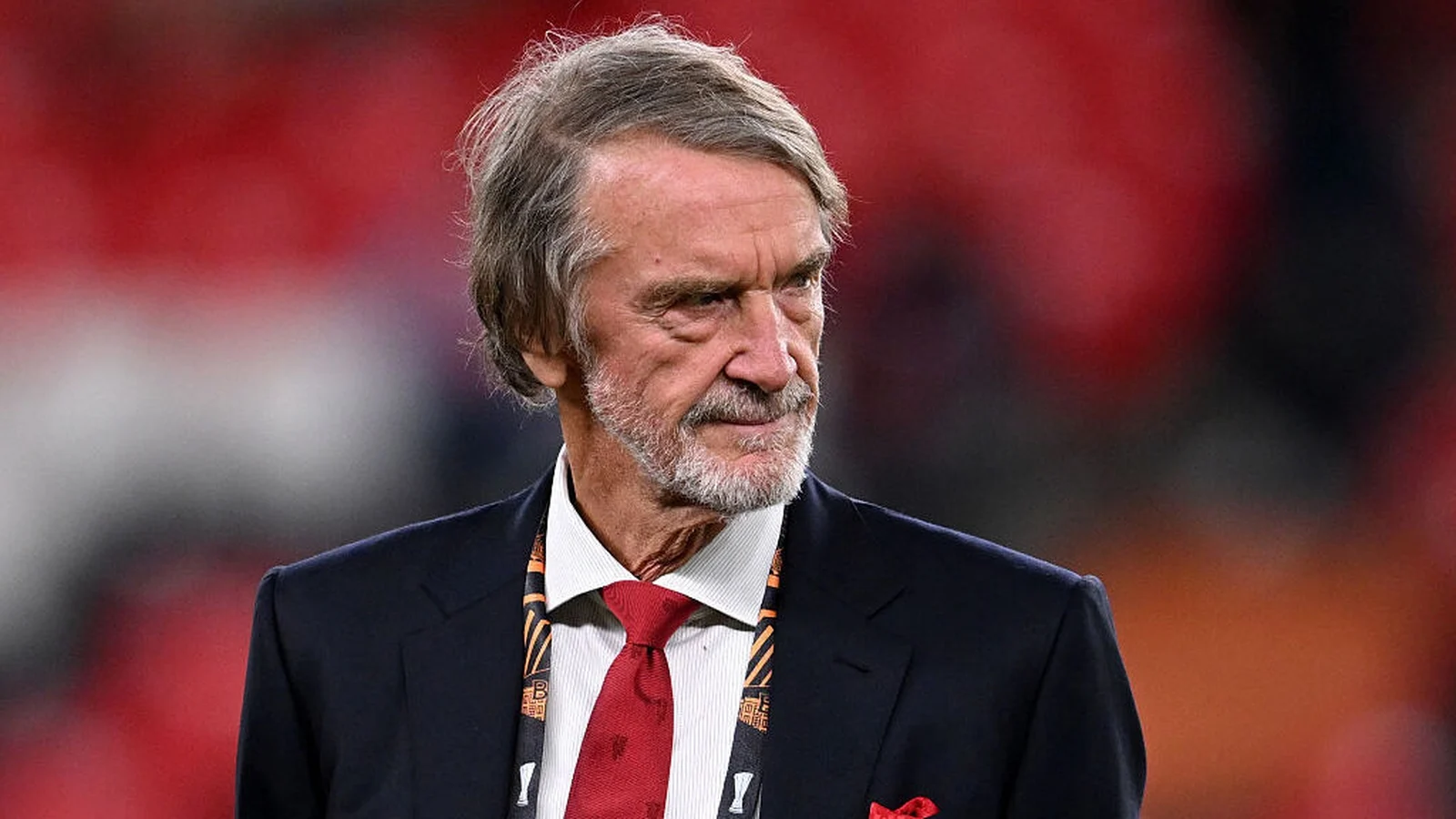
When Words Collide with Identity: Jim Ratcliffe, Manchester United and the Politics of Belonging
On a grey Manchester morning you could feel the city shrugging—old chimneys breathing, a tram hissing past, and the familiar rumble of fans threading their way toward Old Trafford. But the chatter this week wasn’t about tactics or transfers. It was about a sentence that landed heavy and smoky, the kind that sets conversations ablaze: “The UK has been colonised by immigrants.”
Those were the words of Sir Jim Ratcliffe, the billionaire founder of Ineos and a minority owner of Manchester United, spoken in a television interview. They ricocheted from living rooms to parliament, from the terraces to social media, and reminded everyone that words from the powerful can reshape public mood as quickly as they reshape businesses.
The remark and an immediate backlash
Prime Minister Keir Starmer did not mince words. Posting on X, he called Ratcliffe’s comment “offensive and wrong,” and insisted that Britain is a “proud, tolerant and diverse country.” Downing Street added a starker line: remarks like these “play into the hands of those who want to divide our country,” and urged Ratcliffe to apologise.
Ratcliffe’s interview also included warnings about public spending and welfare: “You can’t have an economy with nine million people on benefits and huge levels of immigrants coming in,” he said, adding that tackling such issues would require courage and, he implied, unpopular decisions. He went on to praise Reform UK’s Nigel Farage as an “intelligent man” and criticised the prime minister for being “maybe too nice.”
There is a politics to such utterances—part map, part flare—that touches raw nerve lines across Britain: immigration, welfare, national identity, and the anxieties many feel about change. And when those words come from a man who now has influence over one of the country’s most symbolic institutions—Manchester United—the ripples get personal as well as political.
At Old Trafford: anger, confusion and a stubborn love for the club
Outside the stadium, the mood was complex. A season-ticket holder in a soaked red scarf shook his head. “I don’t agree with him,” he said, voice tight. “We’ve got players from all over the world on the team. How can he say that? It feels wrong, and it makes me embarrassed for the club.”
A younger fan, who works in a local restaurant and has watched United since childhood, was angrier for different reasons. “It’s not just the words,” she told me. “It’s the timing. Prices are up, seats are harder to get, and he’s talking about colonisation? It’s like he lives in a different country.”
Fans have been protesting at games for months—some of it directed at the Glazers and the wider ownership model. Since Ratcliffe and Ineos took a minority stake late in 2023 and then assumed control of football operations, decisions about ticket pricing, hospitality packages and access have felt less like management choices and more like identity tests for supporters who see the club as more than a business.
“Old Trafford is a public square as much as it is a stadium,” a long-time steward noted. “When people feel squeezed—by prices, by decisions—they want answers. But this… this is a different kind of answer.”
Context, numbers and the hard facts
Public debate around immigration and welfare can be combustible, and numbers are often wielded as blunt instruments. Ratcliffe cited “nine million people on benefits,” a figure that has circulated in political conversation in recent years. Official counts fluctuate depending on what is included—whether we mean Universal Credit claimants, pensioner benefits, or broader welfare recipients—and small changes in definition can mean millions more or fewer people on a tally.
What’s certain is that migration and welfare are not isolated issues. They intersect with labour markets, housing shortages, and public services stretched thin by demographic shifts and underinvestment. In the context of football, meanwhile, clubs across Europe have become increasingly global brands—players, sponsors and supporters knit into webs that cross borders. Manchester United’s squad, its commercial deals, and its global fanbase make the team a living example of modern transnational life.
Why language from the powerful matters
When an influential billionaire speaks about the country in terms of colonisation, it revives a long and painful history. “Language of colonisation carries weight,” said a university lecturer who studies migration and memory. “It evokes conquest, dispossession, and a history that isn’t reconciled by a single interview. Public figures need to be aware of that context.”
There’s a political angle too. Migration and welfare have been standing-room-only topics for populist politicians across Europe, who point to them as causes for economic strain and cultural change. Ratcliffe’s praise for Nigel Farage and his critique of perceived political softness fit into a broader narrative that prizes tough decisions over consensus-building—an approach that can be popular, but also polarising.
Ownership, responsibility and the global local
Ratcliffe’s position at Manchester United gives his words an extra heft. Football clubs are often more than businesses; they are repositories of local identity, pride and memory. Decisions about ticketing or youth academies can feel existential. Fans have protested not purely because they dislike commercial moves, but because they worry the club is drifting away from the community it represents.
“I live for matchday,” said an old United supporter, stamping his feet against the rain. “This club was built by local people. Seeing it run like a corporation… it hurts. And when the owners make comments like that about the country, it feels like a betrayal.”
There is also the international perspective. Manchester United is watched by millions in Asia, Africa, and the Americas. Owners often have global portfolios; their words travel further than they might intend. In an era where capital crosses borders with ease, rhetoric that casts migration as a threat has the potential to fracture multinational ties and alienate parts of a club’s fanbase around the world.
Questions to linger on
Where does responsibility lie when private owners are public figures? How do we hold those who run cultural institutions to account when their off-field comments affect fans and communities? And finally, how do we talk about immigration and welfare in a way that is honest about challenges but rooted in facts and human empathy?
There are no neat answers. But there is a clear choice about tone. Do we speak in ways that bridge, or in ways that inflame? Do we expect leaders—corporate or political—to weigh history, nuance and the effect of their words, or do we accept that blunt statements are part of the game?
Ratcliffe has been asked to apologise. Many expect him to, if only to quiet an outcry that spans Westminster and the stands. But an apology alone will not reset the conversation. That will require a willingness to listen: to fans, to communities, and to the many people—immigrants among them—who have helped build modern Britain’s economy and culture.
How would you want those conversations to begin? At a kitchen table, a council hall, a stadium meeting, or in national dialogue? The answers will shape not just the future of a football club, but the story of a nation negotiating its identity in a global age.