Bangladesh at a Crossroads: Dawn After Upheaval or a New Chapter of Old Battles?
The air in Dhaka today felt like the moment after a storm—sharp, electric, and oddly still. Streets that have known confrontation and chant were quieter than expected. Tea stalls at the edge of the university quarter hummed with low conversation. At the center of it all, television vans blinked like beacons, broadcasting images of results that will reshape this country of some 170 million people.
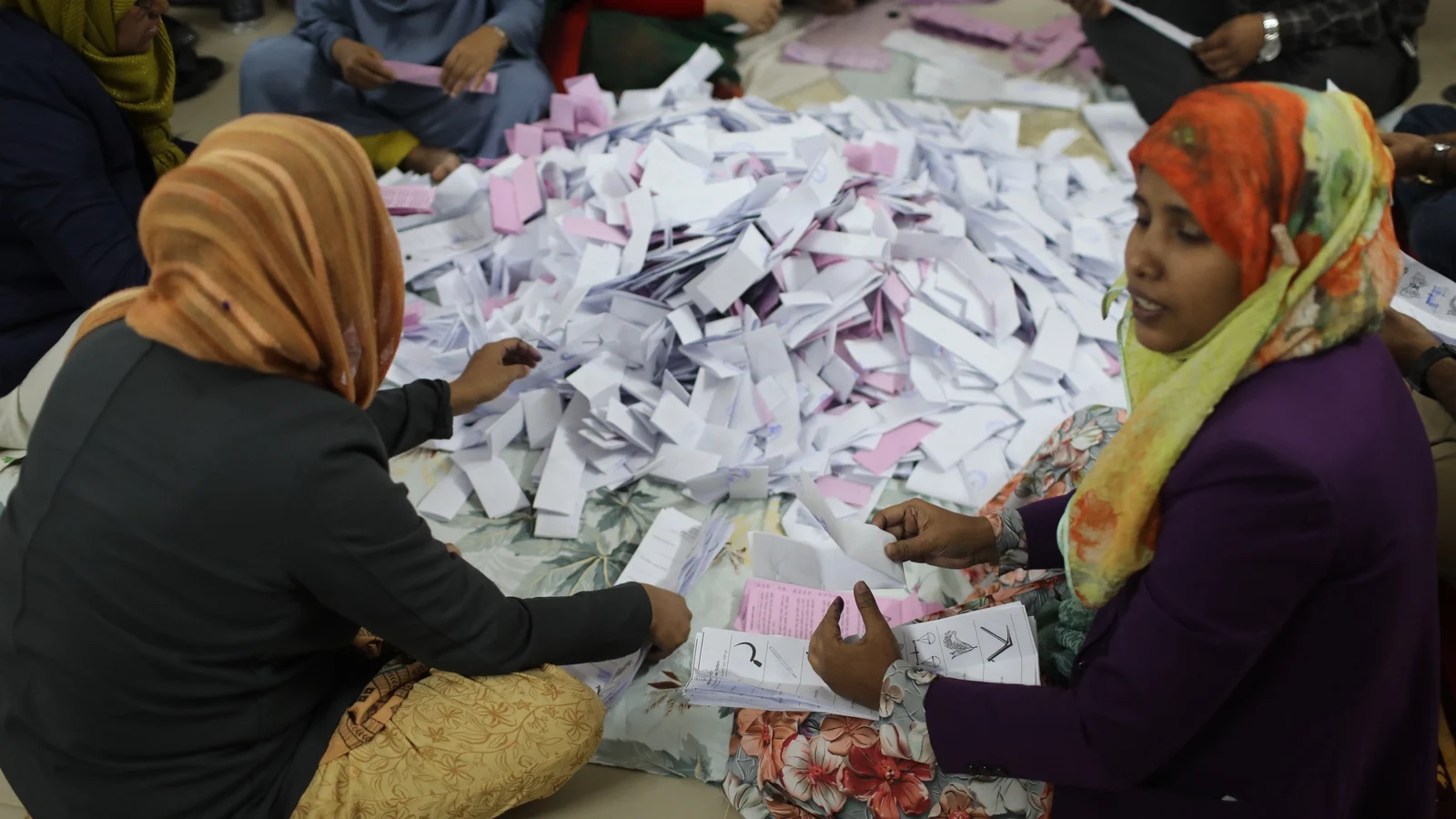
Early projections from national broadcasters painted a decisive picture: the Bangladesh Nationalist Party (BNP), long battered by years in the political wilderness, has surged well past the 150-seat threshold needed for a parliamentary majority. Chanelling decades of political grievance, the party appeared to be on course for a landslide—broadcasters reported the BNP winning roughly 197 seats, with the Islamist-led coalition under Jamaat-e-Islami taking about 63.
Victory, Prayers, and a Promise to Rebuild
There was an unusual restraint in the BNP’s immediate response. Rather than calling for jubilant street rallies, the party urged followers to give thanks in mosques after Jumma prayers. “We will be sober in victory,” read a statement from a senior party official, urging prayer over celebration—an image both reverent and strategic in a country where public gatherings can quickly turn volatile.
On the streets, that’s how many felt. “We’re tired of fighting on the streets,” said Md. Fazlur Rahman, a 45-year-old factory owner who lost his business amid years of legal entanglements and political pressure. He stood outside the BNP office with a small group of supporters through the night, saying, “Now we want to help build something steady—not just take power back.”
Numbers and Nuance
Here are the key figures driving headlines and debates:
- Projected BNP seats: ~197 (broadcasters)
- Projected Jamaat-e-Islami coalition seats: ~63
- Total constituencies voted: 299 of 300
- Reserved parliamentary seats for women to be filled from party lists: 50
- Population of Bangladesh: ~170 million
These numbers matter. A two-thirds majority—something BNP spokespeople suggested might be within reach—would give a single party sweeping legislative power and a strong hand in any constitutional reforms. That is both what the party promises and the source of alarm for critics who fear the concentration of power can all too easily become the next form of domination.
From Ouster to Interim Rule: The Long Tail of 2024
This election was the first since a tumultuous uprising in 2024 that saw the ouster of long-time prime minister Sheikh Hasina. Her party, the Awami League, was barred from contesting—an exclusion that will ripple through Bangladeshi politics for years. Hasina herself, sentenced in absentia, remains in hiding abroad and dismissed the vote as “illegal and unconstitutional” in a statement released from India.
Then there is Muhammad Yunus—the Nobel laureate and interim leader who steered the country to the ballot. At 85, he urged calm during the transition, stressing that “we may have differences, but our unity is essential.” For many international observers, Yunus was an unlikely steward: a figure associated more with microcredit and moral suasion than with partisan statecraft. Yet he oversaw a vote that, according to the election commission, was largely peaceful on the day, with only “a few minor disruptions.”
Security, Disinformation, and the Cost of Campaigning
There were heavy deployments of security forces across cities and towns—checkpoints, armored vehicles, and the low hum of helicopters overhead. UN experts had warned in advance about rising intolerance and a “tsunami of disinformation.” Those warnings were not empty: campaign season had seen clashes that left at least five people dead and more than 600 injured, by police counts.
A human rights analyst with a Dhaka-based think tank, who asked not to be named for safety reasons, put it bluntly: “The violence we saw during campaigning showed that democracy in Bangladesh is raw and fragile. Elections are not just about ballots; they are about a civility that must be rebuilt.”
Lives Interrupted, Hopes Renewed
Walk any market lane and you will see the everyday repercussions of politics—shops shuttered because owners feared summons; workers who lost wages during strikes; families whose futures swung on a single vote. “I want my children to have a job and a future,” said Ayesha Begum, a mother of three who cast her vote early in the morning and then returned to the narrow alleyways of her neighborhood to hang laundry. “We have had enough fear.”
For BNP supporters, the victory represents a closing of a long chapter. For many others—particularly those leaning toward the banned Awami League—this is a moment of uncertainty. No one underestimates the significance of the referendum that accompanied the election: a sweeping democratic reform charter that includes proposals for prime ministerial term limits, a new upper house, expanded presidential powers, and a judicial independence push. Early TV projections suggested the electorate backed the charter.
What Comes Next?
Now comes the work of turning electoral gains into governance. Can a party that spent years in opposition and, in many ways, experienced as a persecuted entity, transition into a responsible steward of state power? Will reforms truly deepen democratic norms or simply redraw institutional lines in a different color?
An international observer with experience in South Asian transitions offered a cautionary note: “Elections are necessary but not sufficient. Institutions—the courts, the civil service, independent regulators—must be resilient. Otherwise, cycles of exclusion and retaliation will repeat.”
Beyond Bangladesh: Global Lessons and Questions
Bangladesh’s moment resonates beyond its borders. Across the world, nations grapple with polarization, digital disinformation, and the challenge of making electoral results translate into everyday improvements. When a country of 170 million people votes on institutional rebalance—not just leadership—that is a global story about how societies try to immunize themselves against tyranny—whether from one party or another.
So I ask you, reader: what do we look for in transitions? Stability at the cost of dissent? A velvet revolution that masks deeper inequities? Can a nation reconcile a thirst for change with the slow, tedious business of building institutions that outlast personalities?
There are no easy answers. But as Bangladesh’s streets quieted into prayer this afternoon, you could feel both the relief of a nation that feared the worst and the tremor of a populace aware that the real test lies not in an election night, but in the daily grind of policy, justice, and public life.
Regardless of where you stand politically, the story unfolding in Bangladesh is a reminder: democracy is not an event. It is a conversation—messy, demanding, and continuous. We will be watching.