Children, Social Media and the New Rules: A Conversation Britain Can’t Ignore
On a damp Thursday morning in a school playground in northern England, a cluster of eleven-year-olds trade stickers and secrets. One girl scrolls through her phone between games of tag, staring at images that promise neat, transformative identities—filters, hashtags, before-and-after threads. Nearby, a teacher watches, worry and curiosity in equal measure.
“They see lives that look flawless and fast,” says a primary school teacher I’ll call Emma. “Kids think there’s a path that fixes everything. They don’t see the appointments, the medications, the hospital stays. It’s Instagram sunsets and then suddenly, big medical decisions.”
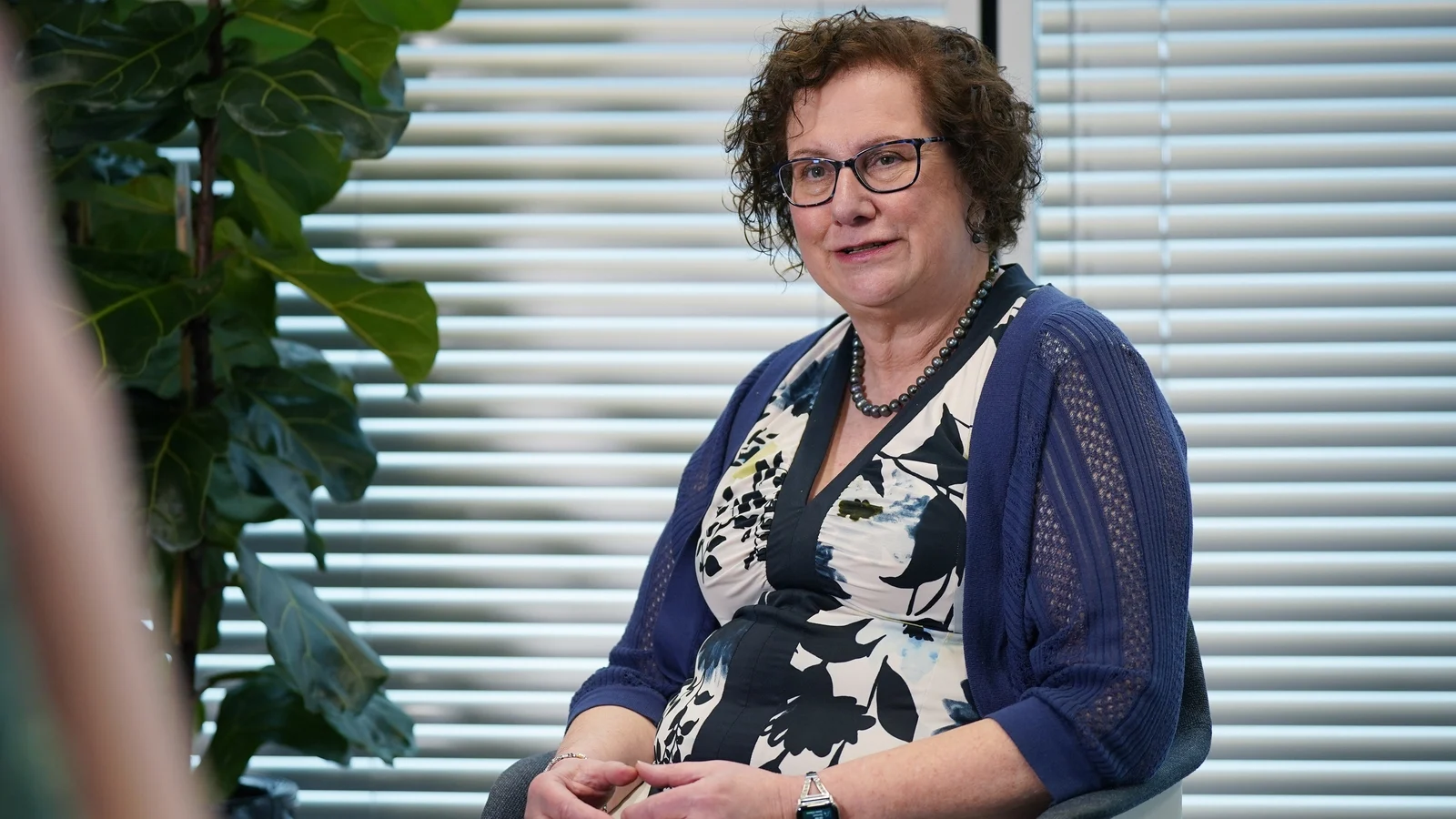
This is the terrain Dr Hilary Cass—who led a sweeping review of NHS gender services for under-18s—has been navigating. Her recent comments, published after the Department for Education circulated draft guidance for schools, read like a warning flag hoisted above the chorus of online certainties: young people have been “weaponised” and misled by social media about the realities of transitioning.
What’s changed — and why the debate feels so raw
The past decade has seen a rapid increase in young people seeking help for gender-related distress. NHS services, which once handled modest caseloads, were inundated. That surge, combined with a new cultural visibility of trans identities and ever-more sophisticated social media ecosystems, forced a national reckoning. Dr Cass’s review prompted a series of policy shifts—some controversial—aimed at slowing, scrutinising and reshaping how young people are supported.
“There are a tiny number of people who will never be comfortable with their biological sex,” Dr Cass told broadcasters. “For them, a medical pathway is the only way they’re going to live their life comfortably. And we don’t understand why that is, but we have to try and help those people thrive as much as the young people who are going to grow out of this.”
That line captures the dilemma: how to provide compassionate, individualized care to the few while protecting the many, especially in a landscape where online narratives can compress life-changing choices into a few viral posts.
New school guidance — a cautious path between support and safety
The Department for Education’s draft guidance asks schools to avoid “rigid rules based on gender stereotypes” while urging them to take children’s feelings seriously and to be alert to vulnerabilities such as bullying or mental health problems.
Key shifts include a default expectation that schools should engage parents when a child requests a social transition, with only “rare circumstances” permitting omission. Practically, that means fewer secretive decisions and more involvement from family.
- Schools should discuss social transitions with families and consider clinical advice.
- Staff are advised to avoid enforcing gendered stereotypes around clothing or activities.
- Vulnerable students are to receive safeguarding assessments rather than immediate social transitions.
“When I was doing my review, the default seemed to be not to contact parents,” Dr Cass told the Press Association. “This guidance has turned that completely the other way around.”
Voices from the neighbourhood: parents, teachers and young people
Walk into any town and you’ll hear the same tangled threads: concern, compassion, anger and fear. A father in Birmingham, Amir, describes lying awake at night after his 13-year-old told him they wanted to transition. “We want to be loving parents,” he said. “But we also want answers. How long will this take? Who will explain the long-term effects?”
Across town in a youth centre, 16-year-old Sam shrugs and says, “People online make it look like a reboot. You post a new bio and boom—someone else. But the more I look, the more it seems complicated.”
And then there’s Lucy, a teenager who decided against medical transition after months of counselling. “I felt rushed by what I saw online,” she told me. “I needed someone to say, ‘Let’s slow down and see how you feel in a year, two years.’”
Child psychologists caution that adolescence is a period of profound flux. Dr Rachel Mendes, a clinician specialising in adolescent mental health, told me, “Identity exploration is normal. What’s changed is the speed and scope of influences—peer networks amplified by algorithms, and a marketplace of personal narratives framed as universal solutions.”
Social media’s influence: amplification without context
Algorithms reward clarity, certainty and emotion. They surface success stories and dramatic transformations, not the years of therapy, the surgical complications, or the people who retrace their steps. This creates a skewed impression of what transition “really” means.
“Unrealistic images and expectations on social media were misleading children about what transition would really mean,” Dr Cass warned. “We must be honest about quite intensive medical treatments and sometimes quite brutal surgeries.”
Consider the global context: daily, millions of teenagers scroll through curated glimpses into others’ lives. Surveys show that a significant majority of young people use social media daily; many admit their self-image is influenced by what they see. In such an environment, the line between exploration and medical action can blur quickly.
Wider questions: rights, autonomy and the role of institutions
Behind the headlines sit thorny ethical and legal questions. At what age can a young person make irrevocable medical choices? How should institutions balance the right of a child to self-express with parental responsibilities and public health concerns? How do we avoid infantilising adolescents while not rushing them into lifelong interventions?
These aren’t only British questions. Across Europe, North America and beyond, societies are wrestling with similar tensions: rising mental health needs among youth, greater acceptance of gender diversity, and new pressures from digital life. Policies in one country ripple outward—lessons and missteps both.
What might a thoughtful approach look like?
A growing consensus among some clinicians and educators favours a measured, multi-disciplinary approach: more thorough mental-health assessments, careful use of social-transition measures, and clear pathways to specialist care for those who persistently need it.
“We should be slow and steady,” suggests Dr Mendes. “Provide space for exploration, ensure support systems are in place, and only pursue medical interventions when evidence, consent and long-term care are aligned.”
Where do we go from here?
Policy proposals now sit in a ten-week consultation period. Emotions will stay heated. But what matters most is the day-to-day world—classrooms, GP surgeries, family kitchens—where young lives are lived and decisions are made.
That’s why some grassroots groups are pushing for better sex and relationships education, clearer mental health provision in schools, and more investment in family support services. “It’s not about stopping people being who they are,” says a campaigner who works with parents. “It’s about giving children the time and help they need before making decisions that last a lifetime.”
Readers, what do you think? Should schools always tell parents about a child’s wish to socially transition? How do we balance privacy, safety and care in the digital age? These are questions without easy answers, but they demand humane debate, careful evidence, and, above all, a commitment to do right by young people—who are coping with storms we adults only partly see.
For now, Dr Cass’s words linger: children “were weaponised.” If we believe that line, our aim should be simple and urgent—shield them from political crossfire, give them room to grow, and build a system that listens harder and acts wiser.