A Desert House and a Vanished Mother: The Guthrie Family’s Plea for Answers
When the sun slides behind the saguaros of Tucson, the light in that part of the city takes on a copper hush. It’s the kind of evening where porch lights throw long shadows and people slow down enough to notice the ordinary things: a newspaper on a stoop, a neighbor’s dog padding by, a motion-activated camera blinking to life. It’s also the kind of evening when an absence becomes deafening.
For Savannah Guthrie, the absence is literal and terrible. Her mother, 84-year-old Nancy Guthrie, was last seen at her Tucson home on 1 February. Twenty-four days later, the Guthrie family has turned private grief into a public plea: a family reward of up to $1 million for any information that leads to her recovery.
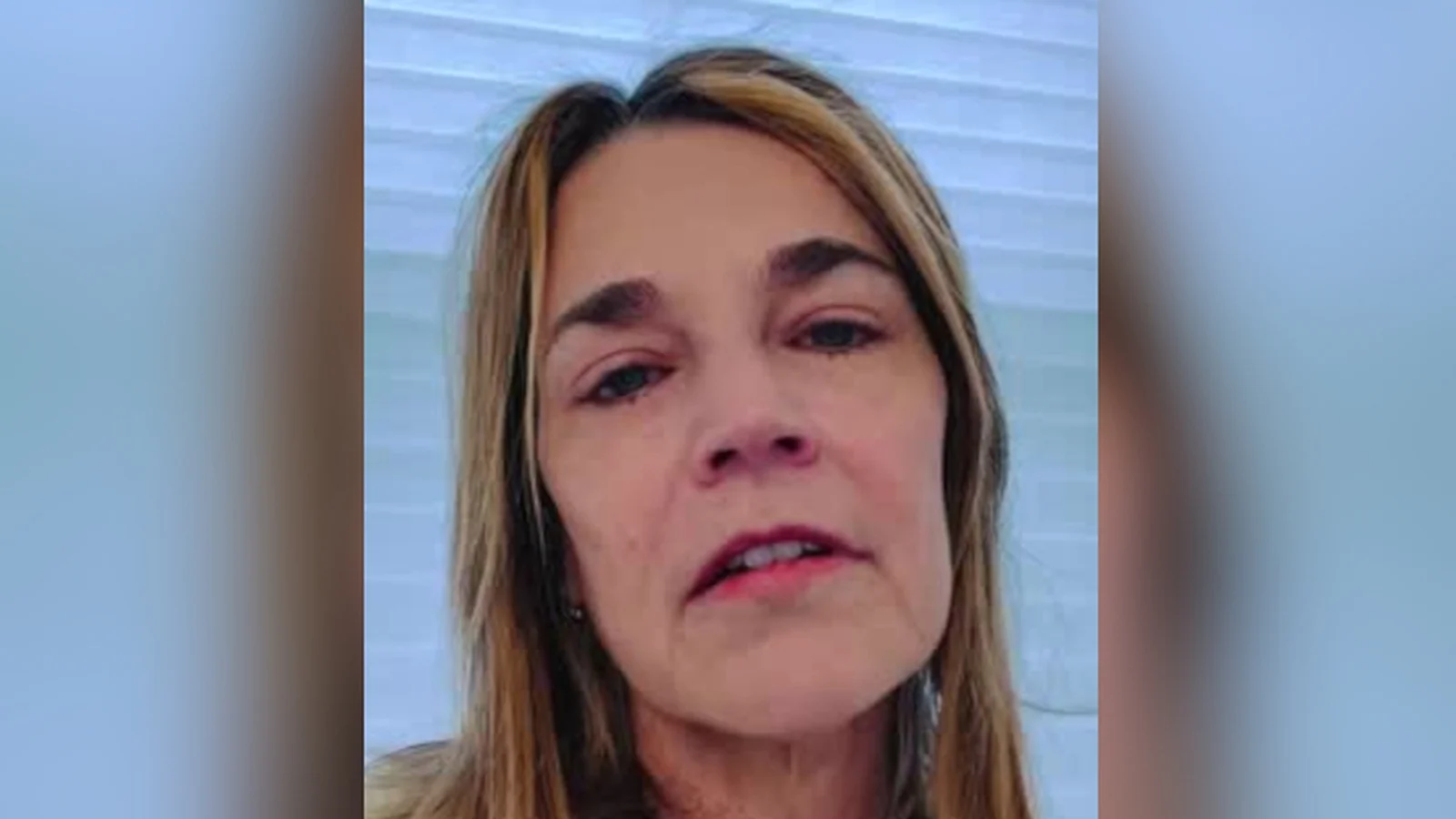
“We know that she may be lost,” Savannah wrote in a wrenching Instagram post that felt like watching a family’s center of gravity tilt. “She may already be gone.” Then, as if not to leave the sentence hanging in the dark, she added: “Someone out there knows something that can bring her home. Somebody knows.”
A frantic investigation, public clues
The disappearance has drawn federal attention. The FBI released doorbell-camera video this month showing a masked person approaching Nancy Guthrie’s home on the night she vanished. The clip—grainy, anonymous, haunting—became a focus for armchair detectives and seasoned investigators alike. The FBI is now offering a $100,000 reward for information that leads to Nancy’s location or to the arrest of those responsible.
“We released the footage because we believe someone will recognize the gait, the clothing, or a vehicle,” said an FBI spokesperson in a statement to reporters. “Even small details can change the trajectory of an investigation.”
Local law enforcement has been careful with details. Pima County Sheriff Chris Nanos publicly ruled out any family involvement. “We have thoroughly investigated the family and can say they are not suspects in this case,” he told a press gathering last week. Beyond that, leads have been scarce and the suspect—if there was one—remains unidentified.
Community ripples: vigils, doorbell footage, and the social feeding of fear
In the neighborhoods around Nancy Guthrie’s home, people talk in the measured tones of those trying not to let panic settle in their throats. A neighbor who asked to be called Maria said she’d seen the family sitting on the curb outside the house hours after the police tape came down.
“They hugged each other like you don’t see on TV,” Maria said. “You could tell they were trying to hold themselves together. I brought over coffee. You do what you can.”
Small, candlelit vigils have gathered outside the house. Strangers leave notes and quilts on the porch rail—paraphernalia of hope in the age of online grief. Tucson, a city as much defined by its desert plants as by its patchwork of cultures—Indigenous, Hispanic, Anglo—has shown up in ways both public and quiet.
“This is our town,” said Luis Ortega, who runs a bakery two blocks away. “It doesn’t matter who you are; if someone disappears, we feel it. You hear the sirens and you think, ‘That could be my mom, my sister.’”
Why rewards, and do they work?
The Guthries’ decision to put up to $1 million on the table is dramatic—but not unprecedented. Families often turn to rewards when traditional investigative channels stall. The FBI’s own $100,000 reward, meanwhile, is part of a formal toolset that federal agents use to incentivize tips. But experts caution that rewards are not a magic wand.
“Rewards can bring in useful leads, but they also bring noise,” said Dr. Elaine Harper, a criminologist who studies missing-persons investigations. “You get people who want a payday, or who misremember what they saw. That means investigators have to sift through a lot of information quickly—time they might otherwise spend following up on solid leads.”
Still, there’s empirical precedent. High-profile rewards have sometimes broken cases or at least moved investigations forward. In other instances, the publicity creates a pressure valve that leads to new witnesses coming forward, even if the tip doesn’t directly solve the case.
Older adults, vulnerability, and broader patterns
Cases like Nancy Guthrie’s raise uncomfortable questions about how societies care for and protect older adults. While most missing-person reports are resolved quickly—many involve runaways or misunderstandings—older adults present a different profile. Age-related cognitive issues, mobility limitations, and isolation can increase vulnerability.
“We see that older adults can become targets precisely because they’re perceived as less able to defend themselves, or because they may be disoriented,” Dr. Harper said. “The best prevention is a web of social supports—neighbors who check in, technology used responsibly, and community programs that reduce isolation.”
In Tucson, cultural rhythms and family structures often create such webs, but not always. As the city expands and demographics shift, those informal safety nets can fray.
What you can do: noticing, reporting, and empathy
The Guthrie case is, at heart, a neighborhood story writ large: a family’s raw grief intersecting with law enforcement, media scrutiny, and a community’s attempt at consolation. If you’re reading this and you live near Tucson, or if you saw the doorbell footage when it circulated online, here are tangible steps you can take:
- Report anything, even small details, to the FBI tip line. Minor details—what someone was wearing, the time they passed—can be crucial.
- Look after older neighbors. A knock on the door, a quick check-in, a note left on the porch—all build resilience.
- Resist the urge to speculate on social media. False narratives can harm investigations and wound families.
“When something like this happens, people want to help,” Maria said. “Sometimes the best help is quiet—call the number, don’t spread rumors, and keep an eye out.”
Closure, for a family and for a community
There is a strange cruelty in public grief: the world watches, offers condolences, and then moves on. For the Guthrie family, moving on is impossible until they know what happened to Nancy. “We need her to come home. For that reason, we are offering a family reward of up to $1m for any information that leads us to her recovery,” Savannah wrote, voice breaking across screens and paper.
How do we live with these unsolved spaces in our lives? How do communities balance vigilance with compassion? These aren’t rhetorical questions so much as calls to action: to notice, to check in, to be the kind of neighbor who sees when someone’s light goes out.
If you have information about Nancy Guthrie’s disappearance, the FBI and local police urge you to come forward. For a family watching the days go by, every call is a lifeline; every detail could be the one that restores a mother to her home, or a family to a quieter, terrible kind of peace—the peace that comes with knowing, at last.