At Dawn in Colombo: An Arrest That Reopens Old Wounds
The arrest happened before sunrise, the kind of quiet that makes every bird call louder and every footstep more noticeable. In a sleepy suburb of Colombo, police moved in and took into custody a man once at the pinnacle of Sri Lankan intelligence — a retired major general whose name, until today, had been wrapped in rumor, accusation and official silence.
For families who lost fathers, daughters, friends in the carnage of 21 April 2019, the scene on the curb felt less like closure and more like another chapter opening in a story they’ve waited seven years to read. “We have been waiting for truth,” said a middle-aged woman who lost her brother in the bombings, her voice catching between resignation and fierce hope. “If this is a step toward that, we must watch closely.”
What Happened in 2019 — A Brutal Snapshot
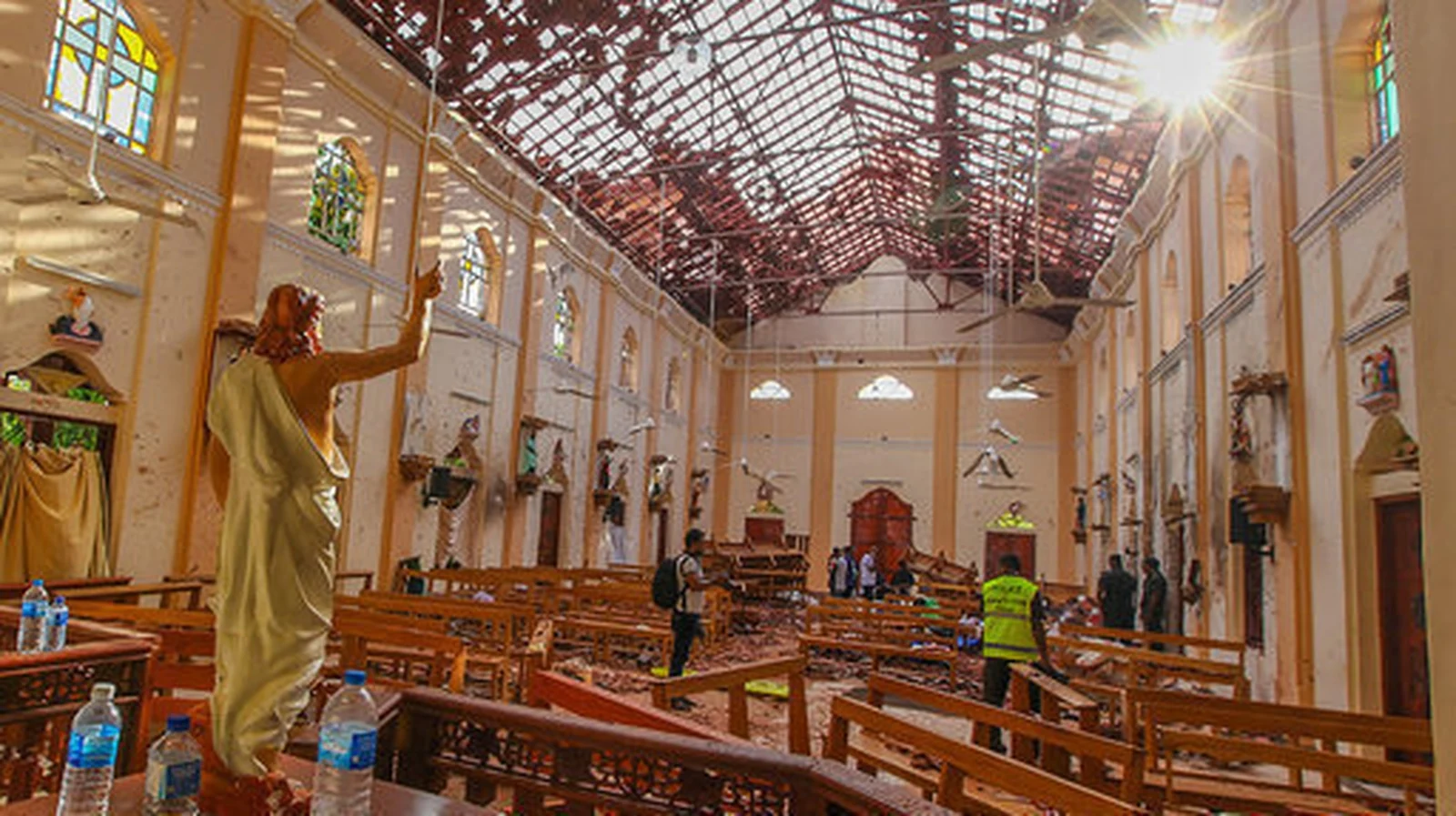
The coordinated suicide attacks of Easter Sunday 2019 tore through three luxury hotels, two Roman Catholic churches in Colombo and an evangelical church on the outskirts. By the time the smoke cleared, 279 people were dead, including 45 foreign nationals, and more than 500 were wounded.
It was the bloodiest blow to civilians in a country still carrying the scars of a civil war that killed at least 100,000 people and only ended in 2009. The bombings not only stole lives but also shook the island’s confidence in its institutions — the police, the military and the intelligence services tasked with keeping citizens safe.
The State Intelligence Chief and the Allegations
The man arrested has been accused of conspiring and aiding those attacks — allegations he has repeatedly denied. Investigators say there is evidence of contact between him and individuals tied to the bombings “even recently,” according to law enforcement sources. Independent reports, including a 2023 investigation by international broadcasters, suggested earlier contact and raised questions about whether parts of the security establishment had foreknowledge or, worse, a role in empowering radical elements.
These are explosive claims. They tie together threads that many Sri Lankans have long whispered about in tea stalls and temple courtyards: that certain military intelligence units once channeled resources to radical groups in the east, that political calculation may have played inaction like an instrument, and that cover-ups are easier when institutions protect their own.
Voices in the Aftermath
Reactions to the arrest were immediate and varied. A Catholic church spokesman said, “This arrest gives the families a reason to keep hoping. Seven years is a long time for wounds to go unexamined.”
A human rights lawyer, who has been tracking the case, offered a more cautious assessment: “Arrests can be symbolic. What matters next is transparency — how evidence is handled, who is questioned and whether the legal process is allowed to run its course without political interference.”
At a small tea stall near the capital, a tuk-tuk driver wiped his hands on his sarong and said, “We have had many promises — inquiries, committees, reports. We want to know if those who failed us will answer for it. Justice is not only for the dead; it is for the living who must trust their country again.”
Questions of Politics, Power and Accountability
The arrest cannot be untangled from recent political shifts. The suspect rose to head the State Intelligence Service in 2019 after the election of Gotabaya Rajapaksa and was later dismissed following a change in leadership in 2024. Critics have pointed to a troubling timeline: two days after the bombings, Mr. Rajapaksa declared his candidacy and later won, campaigning on a pledge to crush Islamist extremism.
Independent inquiries and media investigations have suggested that elements within military intelligence once engaged with — and even funded — local jihadist factions in order to shape political and social dynamics in parts of the country. One former member of the extremist network told reporters in 2019 that the unit’s funding helped spread a fundamentalist ideology in Sri Lanka’s multi-ethnic eastern province. Government sources subsequently acknowledged the military’s connection to that group, raising uncomfortable questions about responsibility and intent.
Legal Echoes and International Threads
The legal fallout since the bombings has been far-reaching: U.S. authorities charged three Sri Lankans in 2021 for their alleged roles supporting the attacks, and at least 25 suspects have been indicted in Sri Lanka’s High Court. The country’s Supreme Court even fined then-president Maithripala Sirisena and four senior officials the equivalent of roughly €1 million in a civil case for failing to prevent the attacks.
International bodies have not been silent. The United Nations called on Sri Lanka to publish parts of earlier inquiries that were withheld from the public — a demand rooted in the belief that accountability requires sunlight. “Every nation must reconcile security with human rights,” said a UN analyst. “Victims deserve truth and states owe transparency.”
Who Pays the Price?
Beyond the courtrooms, the island’s tourism industry — a lifeline for many — suffered an immediate blow. Flights canceled, hotels emptied; livelihoods vanished as global bookings dropped. The ripples of trauma reached far beyond Colombo’s stained glass windows and hotel lobbies to fisherman on the east coast and tea pickers in the hills.
“People here feed their families with visitors,” a hotel manager in Galle told me. “When fear takes over, the whole country pays.”
Why This Matters — And What Comes Next
Arrests do not equal answers. But they can reopen a path to truth. The vital questions now are procedural: Will the investigation proceed with independence? Will witnesses be protected? Will the public see the evidence withheld in past reports? Or will the case become another tug-of-war between political factions, offering spectacle but little substance?
For survivors and families of the dead, the arrest is not an end but a test. “We do not want revenge,” said a young widow at a candlelight vigil, her face lit orange against the night. “We want to know who knew what, when. We want institutions that protect us, not hide behind uniforms.”
Looking Outward: A Global Story of Trust and Memory
Sri Lanka’s reckoning is, in truth, part of a broader global story: how democracies confront failures of security, how societies rebuild trust after state betrayal, how the politics of fear can be weaponized and how victims demand recognition. From Buenos Aires to Baghdad, citizens ask the same question: Can institutions be reformed when their hands are stained?
As readers, what should we watch for? Transparency in hearings, protection of witnesses, the independence of prosecutors, and, crucially, the publication of documents the public has been denied. These are the building blocks of trust.
After the Dawn
The arrest at dawn in Colombo is one small, public moment in a long process. It reverberates beyond courtrooms into churches, kitchens and markets — into the lives of the 279 people who will never return and the tens of thousands who still live with fear. Whether it marks a real turn toward accountability or another chapter of deferred justice depends on what happens next.
So I ask you, reader: when a nation faces its worst failings, what should justice look like — swift retribution, meticulous due process, or both? And how does a society rebuild faith in the institutions meant to protect it? The answers will shape not only Sri Lanka’s future, but offer lessons for democracies everywhere.