A quiet lane in Berkshire, and the sound of history being re-examined
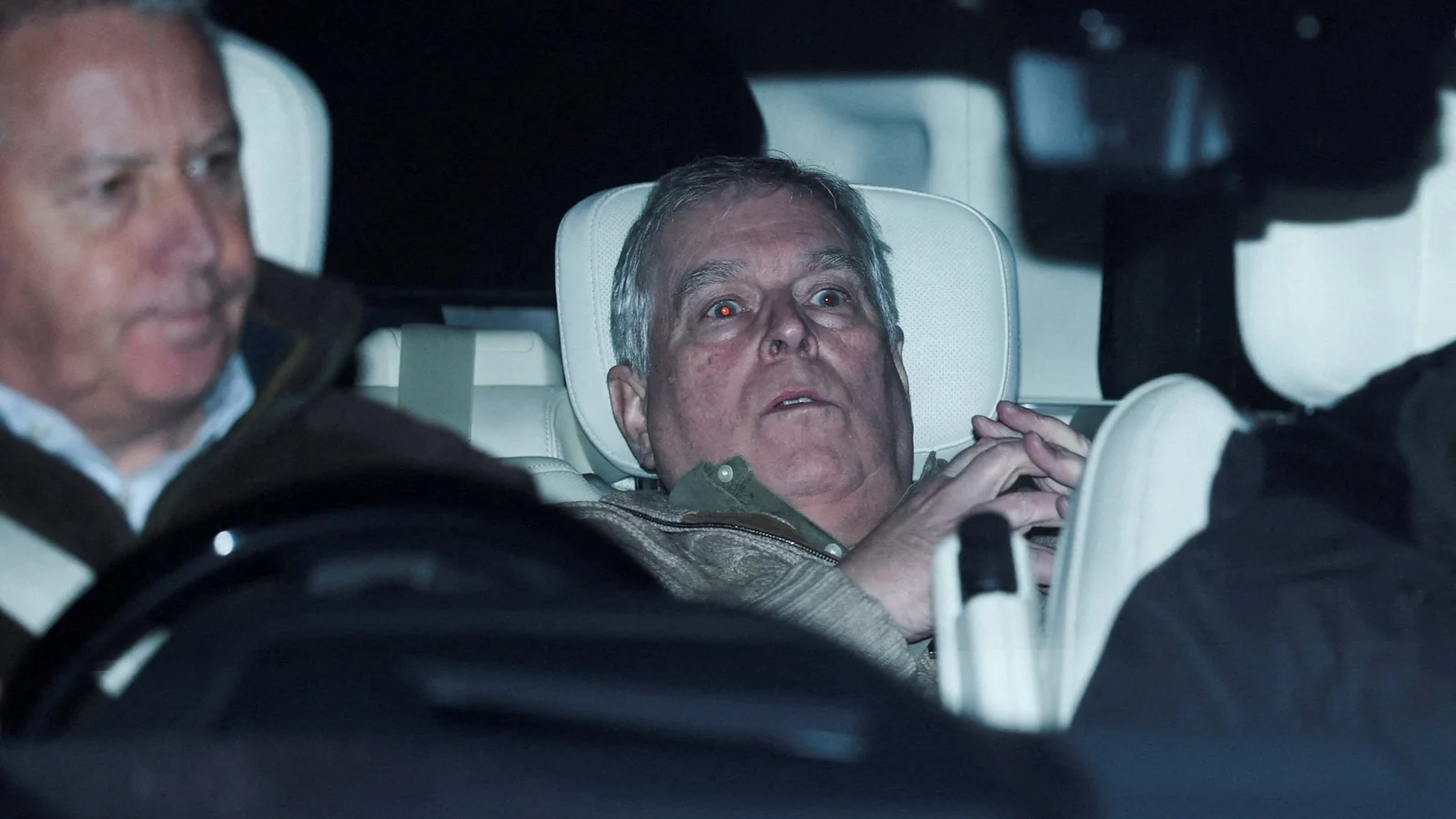
On a mild afternoon in southeast England, a lane that usually sees school runs and dog walkers was punctuated by the low hum of police radios and the soft slap of footprints on gravel. Neighbours peered from behind hedges. A couple of delivery drivers altered their routes. For a few hours, the ordinary rhythms of village life were interrupted by the extraordinary: investigators completing a search at the former home of Andrew Mountbatten-Windsor, a man whose name sits uneasily at the intersection of royalty, diplomacy and scandal.
“You could tell something was different — there were vans, then more vans,” said one woman who has lived opposite the property for 12 years. “It’s the kind of quiet place where everyone nods. Today people didn’t nod, they watched.”
What happened — the essentials
Law enforcement activity at the Berkshire residence concluded this week after officers carried out searches linked to an ongoing inquiry. The arrest that set that activity in motion came days earlier: a man in his sixties from Norfolk was taken into custody on suspicion of misconduct in public office, authorities said. The case, which has stretched across county lines and echoed across oceans, stems from an investigation into the now-closed criminal network surrounding the late U.S. sex offender Jeffrey Epstein.
Files released by the U.S. Justice Department last month — a trove of documents running to thousands of pages — drew new attention to the ties between Epstein and a number of high-profile people. Among the documents were indications that confidential materials may have circulated to Epstein during the course of diplomatic and trade activities. That suggestion, whether ultimately proven or not, is what propelled a routine criminal inquiry into the glare of public scrutiny.
Timeline at a glance
- U.S. Justice Department releases documents related to Jeffrey Epstein.
- Investigators identify leads suggesting possible improper sharing of official documents.
- Police arrest a man in his sixties from Norfolk on suspicion of misconduct in public office.
- Searches conducted at a former residential address in Berkshire are concluded.
- London police appeal to former protection officers and anyone with allegations tied to Epstein to come forward.
The paper trail and the biggest questions
For investigators, the story is as much about paper as it is about people. Documents can be mundane — meeting notes, travel itineraries, delegation briefings — but when they cross lines they were never intended to cross, the consequences can widen fast. A retired Crown prosecutor I spoke with described the legal challenge bluntly: “Misconduct in public office isn’t a simple headline offence. It requires proof of a breach of duty and a public interest element. But if confidential government material reached someone like Epstein, the implications for national security and for public trust are real.”
What counts as sensitive? How are trade envoys briefed and monitored? Who keeps the keys to those files? These are bureaucratic questions with human reverberations. Diplomacy relies on discretion; democracy relies on accountability. When those two principles collide in a single dossier, the ripples are felt across institutions.
Voices from the neighbourhood and beyond
Local reaction has been a tangle of curiosity, anxiety and, for some, resignation. “We’ve seen scandals before,” said a café owner in a nearby market town. “But when it touches someone who has represented Britain abroad, you feel it in your chest. It isn’t just gossip — it asks what kind of people represent us.”
A former close-protection officer, speaking on the condition of anonymity, told me: “We were trained to protect, to keep people safe. But sometimes you see things — meetings, phone calls — and you wonder who else is at the table. It’s not our job to investigate politics, but when allegations come up, they linger.”
And survivors’ advocates were quick to remind the wider public of the human toll behind headlines. “This isn’t about titles or titles being tarnished,” said a campaigner for sexual violence survivors. “When these networks are exposed, it gives people courage to speak. But the system must listen. Too often, victims are the ones who pay the price for silence.”
Police appeals and the search for witnesses
Metropolitan police have begun contacting former protection officers who worked with the arrested man, urging anyone with knowledge of alleged sexual offences linked to Epstein’s activities to come forward. In sensitive investigations like this, first-hand testimony, access logs, and even small administrative notes can make a decisive difference.
It is worth remembering what contact with police entails: interviews under caution, the slow unpicking of calendars and correspondence, the forensic review of devices and archives. For witnesses, especially those within protection services or diplomatic corps used to layers of discretion, stepping forward is rarely straightforward.
Why the public cares — and why it matters globally
Stories like this reverberate far beyond the hedgerows where a search was conducted. They speak to broader debates about privilege and power: Are elites subject to the same rules as everyone else? How do nations ensure that representatives who travel the world on their behalf do not misuse access?
There is also an international dimension. Jeffrey Epstein’s network spanned borders and jurisdictions, and the documents released by U.S. authorities have reignited inquiries in multiple countries. The public’s demand for transparency is part of a global reckoning with institutions that once operated in the shadows.
How we balance the rights of the accused, the privacy of those under investigation, and the public’s right to know is a political, legal and moral puzzle. It is one reason why these cases often take years to resolve. Procedures matter. Evidence matters. So do survivors.
What comes next
For now, searches at the Berkshire address have wrapped up and investigators have gone on to the next phase of their work. The man arrested remains a suspect, not a convicted person — and in the United Kingdom, the presumption of innocence remains a bedrock.
Yet the story is not merely about one home or one arrest. It is a moment for institutions to reflect and for citizens to ask difficult questions: When diplomacy meets private relationships, who is watching? When documents move, who does the moving and to whom?
“We want clarity,” said a legal academic I interviewed. “A democratic society needs to know that its processes are robust. And people who may have suffered at the hands of powerful individuals need to be heard and supported.”
Final thoughts
On that lane in Berkshire, life will, eventually, resume its former cadence — joggers will return, letters will be delivered, and the hedgerow will bloom again. But the day the police vans rolled in will be remembered. It will be remembered not as an isolated drama, but as part of a broader story about accountability in the public sphere.
As readers, we must ask ourselves: what kind of scrutiny do we want for those who serve — and what safeguards will we insist upon? These are not idle questions. They are the scaffolding of public life, and they deserve attention, debate, and a relentless pursuit of the truth.