When Ballet Became an Underground Beacon: Kharkiv’s Dancers Defy War with Grace
The lights went out over Kharkiv the night the world tilted. On 23 February 2022, a full house leaned forward for the final bow of a beloved ballet. Hours later, explosions wrote a new timetable across the skyline as Russia’s full-scale invasion began in the early hours of 24 February.
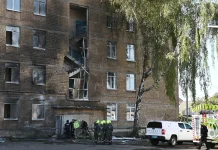
What followed was not only a military assault but a reckoning for a city whose identity has long been shaped by steel, universities and an old-world cultural life. Kharkiv’s grand opera and ballet theatre—its marble and glass façade, its creaky velvet seats—took a hit. More than 2,000 square metres of glass were shattered. The great stage went quiet, and many of the company’s dancers scattered to safety or to work with touring troupes across Europe.
From Orchestra Pit to Metro Platform
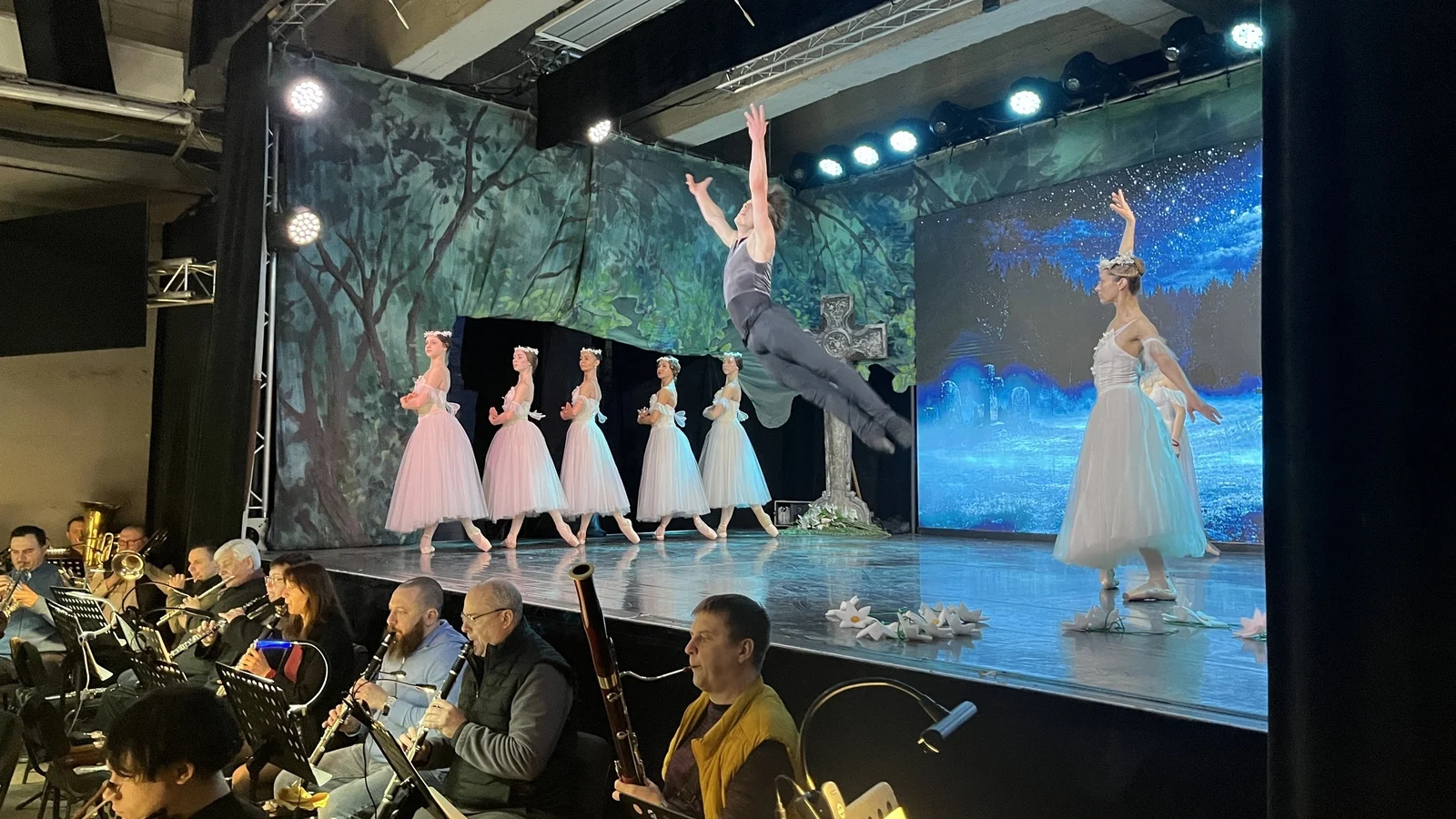
But silence proved impossible. Within weeks, as missiles carved arcs through the winter sky, a small, stubborn group of artists refused to surrender the language they had spent a lifetime learning: movement. They rehearsed below ground—within the theatre’s lower levels and in the city’s metro stations—places where tile and concrete offered shelter from the air raids above.
“We could have folded the program and left the keys on the desk,” says Olena Moroz, a former principal now helping coordinate underground shows. “Instead we decided to translate hope into steps. When you watch people clap in a station, while a train rushes by, you understand art can be both fragile and fierce.”
Imagine a winter platform in Kharkiv: the rumble of trains, the cold seeping into bones, and a cluster of dancers in rehearsal tights and coats, warming up with electric heaters humming nearby. Children press their faces to mosaic pillars. Soldiers—camouflage still dusted with soot—stand in the back, eyes momentarily far away from the front lines. For those forty minutes, the city keeps its breath.
Numbers that Tell a Story
The scale of the upheaval is hard to overstate. Millions of Ukrainians have been displaced since 2022; entire neighborhoods were shelled repeatedly, and Kharkiv’s population plunged as people fled the uncertainty. Before the invasion the company boasted more than 90 dancers. Today, the regular ensemble numbers around 35, supported by a chamber orchestra of local musicians who remained.
“We are fewer, yes,” says Artem Kovalenko, the theatre’s rehearsal master. “But fewer does not mean less powerful. It means every arabesque, every lift, carries more intention. We move heavier in spirit and lighter in hope.”
Why Ballet, in the Middle of War?
Ask a passerby why they stood in a cold station to watch Tchaikovsky on a Tuesday morning and they will shrug with a wet smile. “It’s not about beauty alone,” says Halyna, a schoolteacher who now volunteers to help distribute blankets after performances. “It is a reminder that there is something worth protecting. Culture is a compass.”
Psychologists and trauma specialists nod at that instinct. “Shared rituals — music, dance, theatre — are anchors during crises,” explains Dr. Marta Lysenkova, a psychologist who has worked with displaced families. “They restore a sense of normalcy, provide collective breathing space, and sometimes help reduce symptoms of anxiety and hypervigilance. Cultural continuity is a public health intervention as much as an artistic one.”
There is another, more tactical reason for the performances: morale. Veterans, reservists and active-duty soldiers have been known to attend shows whenever possible. “When a man who has seen combat sits in a crowd and cries at a pas de deux, it tells us something about human resilience,” says Sergii, a 28-year-old conscript who has been to several metro shows. “For ninety minutes you are not in a foxhole.”
Practice Under Pressure
Rehearsals are grueling. The troupe works six days a week, their regimen unchanged even if the circumstances are not. Pointe shoes are repaired by hand, costumes stitched in dim corners, choreography adapted for low ceilings and uneven floors. Electric heaters struggle against winter. Power cuts are routine, and air-raid sirens interrupt runs—sometimes mid-adagio, sometimes as dancers are exiting stage left.
“You learn to keep your balance no matter what the sky does,” says Anya Kovach, a lead soloist. “We train like athletes and act like caregivers. When someone in the audience is crying, we say quietly afterwards: you are allowed to feel. It’s part of the healing.”
Local Color: Tea, Tape, and a Shared Samovar
There is a small, domestic poetry to how life carries on. Backstage, volunteer grandmothers ferry cups of black tea wrapped in newspaper. A seamstress uses military tape to temporarily reinforce a torn bodice. A volunteer brings a thermos of borscht for the orchestra. After shows, people linger to exchange news, to swap battery packs and to trade information about where the next aid convoy will pass.
“Our theatre has always been a social crossroads,” says Mykola Petrenko, an elderly patron who returned under a gas mask. “Now more than ever, it is a community clinic for the soul.”
What This Means for the World
Kharkiv’s story is not an isolated anecdote. Across the globe, in conflicts old and new, communities have turned to art to survive. During World War II, musicians played on bombed stages; in refugee camps today, poets and storytellers maintain languages that belligerents try to erase. The Kharkiv ballet is a reminder that cultural life is not merely ornamental—it is a lifeline.
International cultural organizations have taken note. Grants, tours, and collaborative projects are helping some artists continue their work abroad, but many choose to remain. “Leaving was necessary for safety,” says dancer Marina Lisova, who toured with a partner company last year. “Coming back, even underground, felt like returning to a duty.”
What Will the Future Look Like?
There is no neat ending yet. The performers speak of returning to a restored main stage, of powdering noses under crystal chandeliers. They dream, aloud, of reopening the theatre to children who have never sat in the stalls. But they are equally clear-eyed about the long haul: reconstruction of buildings takes years; reconstruction of trust takes longer.
“When the guns stop, the work will deepen,” says Olena. “We must teach new students, fix the roof, and repair the glass. We must also listen to those who have suffered and find ways to rebuild community. That is the real choreography.”
So I ask you, reading this from wherever you are: what do we owe the keepers of beauty in a broken place? Is art a luxury or a necessity when the world is burning? In Kharkiv they answer by taking the stage—not because the bombs have stopped, but because some things are worth carrying into the dark.