At the edge of escalation: quiet diplomacy in Geneva, loud consequences across the globe
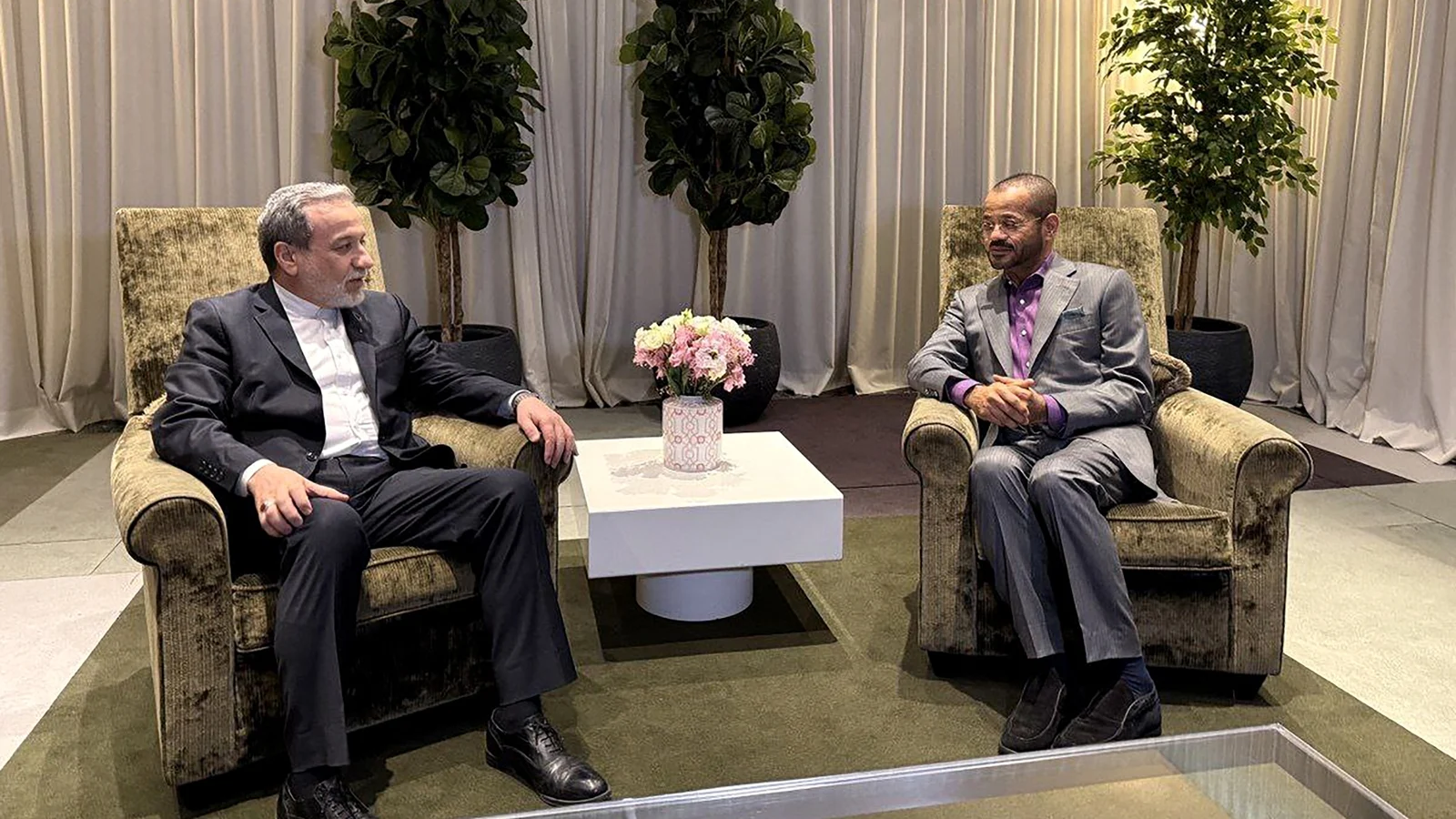
There is a particular hush to Geneva in late winter — soft coats, the clack of briefcases, a sky the color of unspent ink. In a glass-walled room not far from the lake, envoys shuffled in and out, translated phrases were weighed and reweighed, and an unlikely intermediary poured coffee and offered a steady hand.
Oman, long the understated broker between Washington and Tehran, announced what diplomats call a cautious success: “significant progress” had been made in indirect talks aimed at defusing one of the world’s most combustible disputes — Iran’s nuclear programme and the web of sanctions and threats that surround it.
“We have finished the day after significant progress in the negotiation between the United States and Iran,” Oman’s foreign minister, Sayyid Badr Albusaidi, posted on X after the sessions concluded. The two sides agreed to reconvene soon, with technical-level talks slated next week in Vienna.
It is tempting to imagine these rooms as removed from the clangor of aircraft carriers and airfields. It is not. The diplomatic thread is woven through a very visible military tapestry: the USS Gerald R. Ford steaming in the Mediterranean, the movement of fighter jets, and the evacuation of some diplomatic dependents from parts of the Middle East. The stakes are immediate and spectral — a deal could defuse threats of new strikes, while a breakdown could open a path toward a much wider, bloodier conflict.
What they brought to the table
On one side were American envoys, reportedly Steve Witkoff alongside Jared Kushner, engaging indirectly with Iran’s lead negotiator, Abbas Araqchi. On the other was Tehran’s steadfast demand: relief from sanctions and explicit recognition of the right to enrich uranium under international safeguards. Iran’s team said it would show “seriousness and flexibility,” while clearly prioritizing sanctions relief.
On the other side, the Trump administration — as it has publicly insisted — wants to widen the agenda. Washington’s negotiators have pushed for discussions that would bring Iran’s ballistic missile programme and its regional activities into the frame. “If you can’t even make progress on the nuclear programme, it’s going to be hard to make progress on the ballistic missiles as well,” said a senior U.S. official in a round of press briefings, echoing concerns shared by allies.
In Tehran, officials say nuclear and non-nuclear matters should remain separate. “Our position is clear: nuclear issues and the lifting of sanctions must be at the center,” an Iranian foreign ministry spokesperson told local state media. “The other matters can be discussed in other forums.”
These are not abstract disputes. Under the 2015 JCPOA (the nuclear deal that once bound Iran and six world powers), Tehran limited its enrichment and allowed unprecedented monitoring by the International Atomic Energy Agency. When the United States withdrew in 2018, sanctions returned and Iran gradually rolled back many of those limitations. By 2021–2022 Iran had enriched uranium to near-weapon-grade levels — as high as 60% fissile purity in some reported instances — and analysts warned that the country’s so-called “breakout time” to produce a bomb’s worth of fissile material had shortened from a year to months, depending on assumptions.
Between a warning and a deadline
President Trump has set unmistakable timelines and stark choices in public remarks, warning that “really bad things” could happen if Tehran did not make a deal in days. For many observers, this rhetoric has added urgency to the negotiations while also underscoring the peril: when leaders publicly set short windows for diplomacy, the risk of miscalculation rises.
“Diplomacy is often noisy and slow,” said a veteran Middle East analyst at a European think tank, who asked not to be named. “But noisy deadlines have a way of producing desperate decisions. The hope here is that you can convert public pressure into discreet progress, quietly, before the drums of war get louder.”
Voices on the ground: fear, resilience, and the everyday
Walk through Tehran’s bazaar and the air carries cardamom, diesel, and impatience. Shopkeepers talk about rising prices, parents worry about conscription and the future of their children, and young Iranians — many who were born after the revolution — recite a different calculus when they talk about their nation and its ambitions.
“We want life, job, and peace,” said Azar, a mother of two who runs a tea stall near the Grand Bazaar. “Talks are good if they bring bread and stability, not just headlines. If the corridors of power decide everything, what about us?”
In the Gulf, energy markets skitter with every whisper of escalation. Traders and ministers watch not only carrier movements but also the quiet numbers: oil accounts for a significant share of Iran’s state revenue; sanctions have slashed exports and battering public services. Several Gulf producers have signaled nervousness at the prospect of renewed conflict that could choke shipping in the Strait of Hormuz and send oil prices spiking. World Bank and IMF analyses over recent years have documented how sanctions and inflation have eroded household incomes across Iran, feeding social unrest and political pressure for some kind of relief.
Why this matters to you
- Global energy markets are sensitive to even the threat of conflict in the Persian Gulf; consumers in Seoul, London and Lagos may see it reflected in prices at the pump.
- Non-proliferation norms are at stake: whether a negotiated rollback, rigorous verification, and return to inspections can be an effective template for preventing nuclear proliferation elsewhere.
- Regional stability hinges on a delicate balance — the more Iran feels cornered, the more it is likely to lean on proxies around the region. That translates into everyday violence for people in Lebanon, Yemen, Iraq and beyond.
“This is not just about centrifuges and sanctions,” said a former IAEA inspector. “It’s about whether international rules and verification can outlast geopolitical competition. If diplomacy works here, it can be an argument for restraint globally.”
What happens next?
The next technical-level talks in Vienna will be critical. They will focus on timelines, sequencing of sanctions relief, and the technical benchmarks that inspectors can verify. But even if diplomats thread this needle, the agreement’s survival will hinge on domestic politics in both Tehran and Washington, regional trust deficits, and the stubborn realities of enforcement.
So I’ll ask you, the reader: do you trust the machinery of diplomacy — the translators, the back channels, the tweaks in Vienna — to keep a conflagration from starting? Or do public deadlines and military posturing make you think we are closer to miscalculation than to compromise?
These Geneva talks are small in the footprint of global headlines yet enormous in consequence. They are a reminder that the difference between war and negotiation often rests in rooms that the public never sees, and in the improbable patience of intermediaries like Oman who, for now, are buying the world more time.