A Casual Line That Could Reshape a Nation: Trump’s Offhand ‘Friendly Takeover’ and What It Means for Cuba
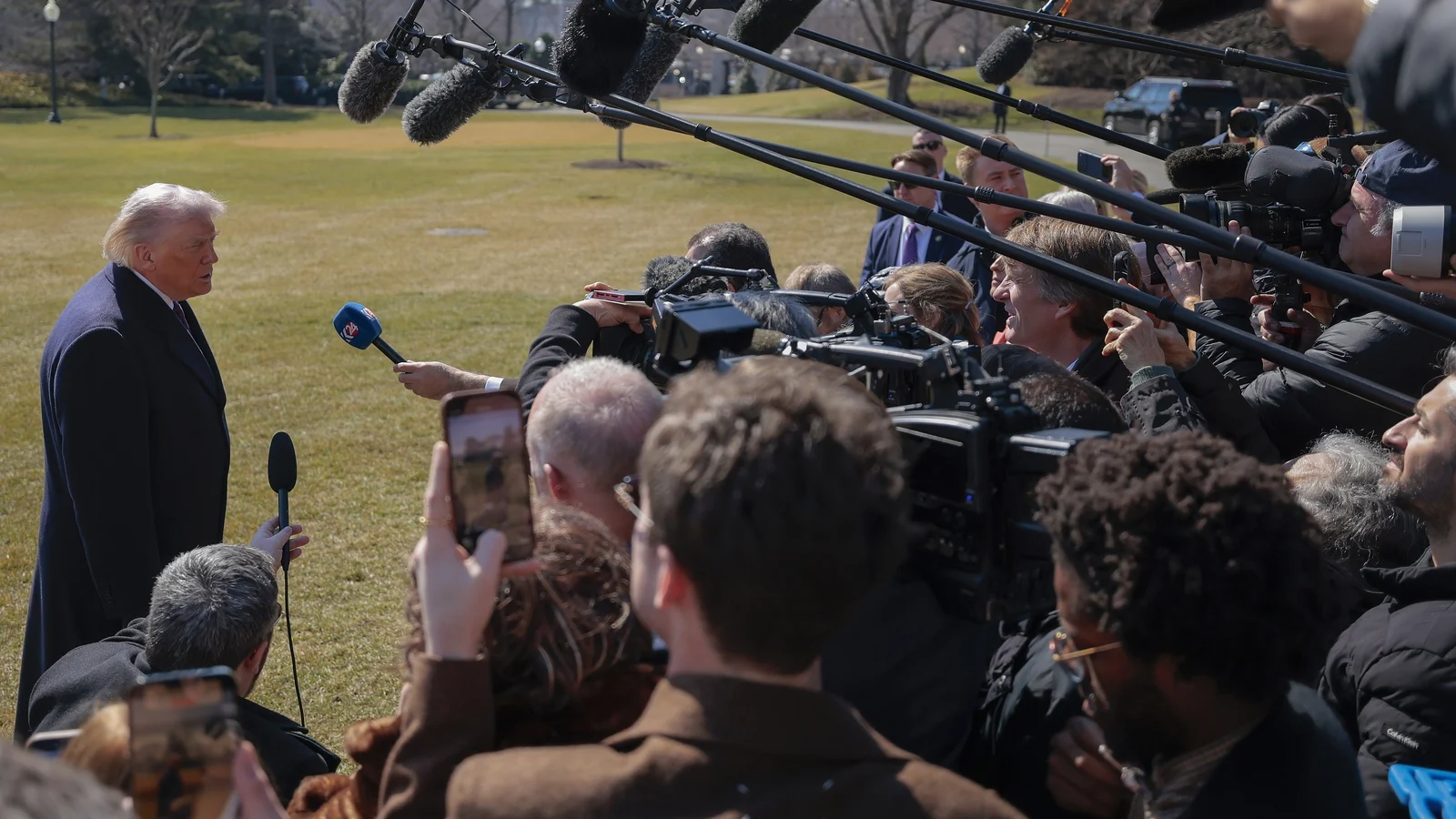
On a bright Washington morning, with the routine clack of Air Force One doors behind him, the U.S. president tossed out a phrase that landed like a stone in a pond: “maybe we’ll have a friendly takeover of Cuba.” It was the sort of offhand remark that blooms into headlines and rumors, then ripples all the way to the narrow streets of Havana and the sun-baked sidewalks of Miami.
Listen to the cadence of geopolitics: two countries separated by 90 miles of water, nearly six decades of distrust, and a diaspora that remembers exile like a family heirloom. “It sounded like the past knocking on the present,” said a Cuban-American baker in Little Havana, wiping flour from his hands. “My parents fled a long time ago. We don’t want a repeat of anything violent. We just want dignity.”
What Was Said — And What Wasn’t
The president’s comments, made as he departed the White House for a trip to Texas, suggested that senior officials were in contact with Cuban figures at a “very high level.” He referenced Secretary of State Marco Rubio — the senator’s involvement reported in some outlets as part of a flurry of private meetings with Cuban intermediaries — and painted an image of a country in economic freefall: “They have no money. They have no oil, they have no food,” he said.
Some U.S. news organizations have reported back-channel discussions between American officials and relatives of Cuba’s old guard. Cuba’s government has denied that formal, high-level negotiations are underway, though it has not categorically dismissed the existence of informal contacts. In the fog between official denials and press scoops, facts tangle with speculation.
Why the Words Matter
“Language like that can be catalytic,” said an international relations scholar in Washington who tracks U.S.-Latin America policy. “Even if it’s aspirational or rhetorical, it signals intent — to diplomats, investors, and local actors. It can embolden opposition groups, intimidate incumbents, and invite external actors to recalibrate. That’s the power of presidential pronouncements.”
On the Ground in Miami and Havana
In Miami’s Little Havana, murals of Che Guevara rub shoulders with Cuban flags and storefronts playing boleros. The Cuban diaspora here numbers in the millions across the United States, with a particularly dense community in South Florida. “A lot of people want change, but there’s a spectrum of what ‘change’ means,” said a community organizer who volunteers at a senior center where elders gather for dominoes and news. “For some it’s return and reconciliation. For others it’s retribution. You can feel both at once.”
Havana’s energy is different but equally charged. Long lines at bakeries, intermittent blackouts, and a market economy that exists partly in shadow are daily realities. “We survive on three things: ration books, remittances, and ingenuity,” a Havana teacher told me during a short phone call. “If there’s a plan from abroad, people are wary. We don’t want to be a chessboard.”
Context: Economy, Embargo, and Everyday Strain
Cuba’s economic malaise is not new. Decades of a U.S. embargo, the loss of subsidies from former allies, and brittle public finances have left the island vulnerable. In recent years, shortages of food and fuel, rolling blackouts, and a flourishing informal economy have punctured the island’s stability.
Remittances — money sent home by Cubans living abroad — have been a lifeline: they flow in billions annually and support countless families. Estimates vary by source, but analysts agree that this private income now rivals or exceeds some state revenue streams in importance. That dependence also makes Cuba a focus of foreign leverage and diasporic politics.
Recent Incidents and Tensions
Recently, a violent maritime confrontation was reported between Cuban authorities and men attempting to enter Cuban waters. Some U.S. officials denied direct involvement; others cautioned that the incident underscored simmering tensions. Whether through blockades, sanctions, or covert actions, the pressure on Cuba is multifaceted and international in scope.
“When you constrain fuel and food, you’re testing a regime’s social contract,” the Washington scholar said. “You can push citizens toward the brink, but you also risk humanitarian fallout.”
Back-Channel Diplomacy, Real or Reported
Journalistic accounts have suggested meetings between U.S. operatives and members of Cuba’s old revolutionary network — even a grandson of former leadership — on the sidelines of regional gatherings. Such back-channel talks are not unprecedented in geopolitics; nations often use unofficial lines to explore possibilities that official diplomacy cannot yet bear.
“If you’ve been in this business long enough, you know not to trust headlines that promise immediate regime transformations,” said a retired diplomat who spent years in Latin America. “But you also cannot ignore the seriousness when a sitting president publicly entertains the idea of a takeover. It attracts attention, capital, and spoilers.”
Local Voices, Global Stakes
Across the political spectrum, people wrestle with the implications. A small-business owner in Havana recalls the first days after the revolution when friends believed liberation meant groceries and rights. “They were disappointed,” he said. “We’re asking for clear, steady lives, not slogans.”
In Miami, a young Cuban-American who came to the United States as a child sees the debate through a different lens. “I want to visit my abuela without fear. If change comes, it should come on Cuban terms. Not as a takeover with outsiders deciding our future.”
What Would a “Friendly Takeover” Even Mean?
Ask yourself: is it possible to engineer a takeover that is “friendly,” lawful, and sustainable? International law rests on principles of sovereignty and non-interference. Historical U.S. interventions in Latin America — from the 20th century’s overt interventions to more subtle economic pressures — have left mixed legacies. They offer lessons but no easy templates.
Consider the potential consequences:
- Diplomatic fallout and regional destabilization.
- Humanitarian risks if supply chains and governance structures are disrupted.
- Domestic political costs in the U.S., where the Cuban-American community is far from monolithic.
- Geopolitical competition from other global powers with interests in the hemisphere.
Reflection: Power, Promise, and Prudence
Words have gravity. When leaders talk about remaking nations, they summon history, longing, and fear. The idea of a “friendly takeover” is both arresting and dangerous — it presumes control over a people’s future and underestimates the complexities of social trust. It also forces a question upon us: who gets to decide how a nation changes?
“Cuba’s future should be shaped by Cubans,” said a human rights advocate in Miami. “That includes Cubans inside and outside the island, and it must protect the rights of ordinary people first.”
As headlines churn and diplomats brief behind closed doors, ordinary lives are at stake. The baker in Little Havana returns to his oven; the domino players at the senior center resume their game. The island waits and watches, and the world wonders: when power is personal, so too are its consequences.