Chappaqua in the Crosshairs: Bill Clinton, Epstein Files, and a Town that Suddenly Knows the World’s Secrets
There are days when Chappaqua looks as if it could be the set of a small-town drama: maple trees sway over tidy porches, a barista knows your order before you say it, and dogs wander freely down Main Street. Then a congressional subpoena lands and the world’s cameras descend like storm clouds.
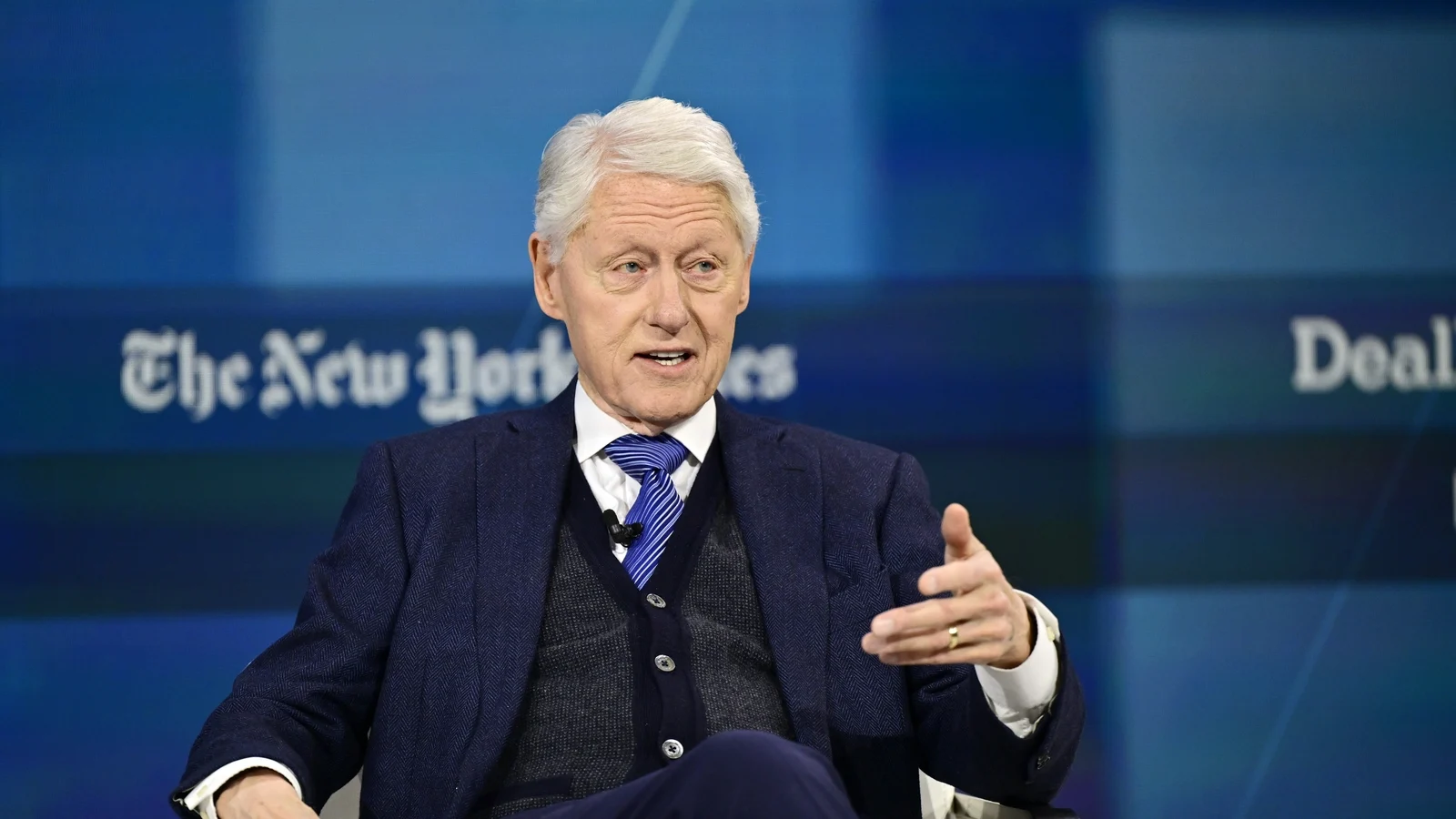
On the morning former President Bill Clinton sat for a closed-door deposition over his ties to Jeffrey Epstein, Chappaqua hummed with an odd, nervous electricity. Reporters clustered at the corner deli, Secret Service cars idled by the town green, and residents peered out of windows as if trying to read history through the blinds.
What Was Said — And What Wasn’t
Clinton’s opening statement was terse and defiant: “I saw nothing, and I did nothing wrong,” he told the congressional panel probing Epstein’s web of connections. He posted that brief declaration on social media, part admission, part rebuke — a mix of personal denial and political theater.
The Republican chair of the committee, James Comer, described the session as “very productive,” saying the former president “answered every question — or attempted to answer every question.” But other Republicans on the panel signaled unease privately, with Representative Nancy Mace alleging “inconsistencies” in the testimony without citing specifics.
Across the aisle, Democrats were quick to flip the script. “Let’s be real — we are talking to the wrong president,” Representative Suhas Subramanyam shot back, urging the committee to bring President Trump before the same bar. Hillary Clinton, who had already testified, urged investigators to question Mr. Trump “directly under oath” about frequent references to him in the newly released case files.
Both Clintons have asked for proceedings to be public — a call they framed as a plea for transparency and, not incidentally, as an appeal to a national audience. “No person is above the law,” Bill Clinton said in his opening remarks, “even presidents — especially presidents.”
Behind Closed Doors
The depositions are being held in private in the Clinton family’s hometown. The closed nature of the hearings has become a point of contention: Democrats contend the probe is being weaponized for partisan ends, while Republicans argue privacy is standard until facts are fully examined.
“What matters here is the truth,” said a legal scholar who has followed the files closely. “But the format — secret depositions, selective leaks — risks turning fact-finding into theater. The public deserves to understand how decisions were made about what investigations were opened, closed, or never pursued.”
The Evidence: Photographs, Flights, and Allegations
The files at the heart of these hearings are a mosaic of images and documents that have already altered rooflines of reputation. Among items that have circulated are photos showing former President Clinton in an Epstein-owned setting and others subtler but no less consequential: flight logs, visitor lists, and notes that place Epstein and a host of high-profile figures in the same orbit.
Clinton has acknowledged flying on Epstein’s private plane in the early 2000s, describing the trips as tied to humanitarian work connected to the Clinton Foundation. Committee Republicans have highlighted counts they say show Clinton flew with Epstein at least 27 times and that Epstein visited the White House multiple times during Clinton’s presidency — figures the former president and his allies dispute or contextualize.
- Jeffrey Epstein was convicted in 2008 of soliciting prostitution from a minor; his death in a federal jail in 2019 remains a flashpoint in public discussion.
- Ghislaine Maxwell, long accused of facilitating Epstein’s alleged abuse, was convicted in 2021 on charges related to sex trafficking.
“Being named in a file is not a crime,” an investigative reporter familiar with the documents told me. “But once names, photos, and logs are released, the court of public opinion moves fast. It’s not just about legal culpability — it’s about trust, networks, and how power operates.”
Chappaqua Speaks
At the corner coffee shop where locals swap weather tips and town gossip, the conversation was a mix of fatigue and curiosity.
“You see the vans and you think: we’re small, this shouldn’t happen here,” said Maria Lopez, who runs the shop and has lived in Chappaqua for three decades. “Then you realize the people being discussed live in a world where towns like ours are just places to land between flights. It changes the way you look at the porch where you sip your coffee.”
A neighbor who has stood by the same sycamore for 20 years added, “We’re proud, but it’s a strange kind of pride. Not about the attention — about the dignity of the place. You don’t want your home to be a pawn in someone else’s fight.”
Why This Matters Beyond One Family
This is not merely a story of two presidents and their acquaintances; it is a wider story about transparency, privilege, and how institutions confront allegations when powerful people are involved. The Epstein case, and now the release of documents, has prompted clients, colleagues, and critics to re-examine old relationships and consider what accountability looks like when money and influence are in play.
Across democracies, the question is similar: can public institutions investigate without being derailed by politics? Can the media report responsibly without becoming a megaphone? And can communities reconcile the contrast between private lives and public leadership?
What Experts Say
Legal analysts point out that being mentioned in records does not equal criminality. “The due process framework is still the backbone of our system,” said a professor of constitutional law. “But the reputational damage from mere association can be irrevocable, and that’s a civic issue as much as it is a legal one.”
Other observers frame the debate more broadly. “From #MeToo to institutional reviews of abuse, society is finally asking whether proximity to power should shield behavior,” a sociologist specializing in elites told me. “This inquiry touches on how cultures enable misconduct — and whether change can be structural instead of only symbolic.”
Questions for the Reader
What do you think is the right balance between privacy and public scrutiny for former leaders? When allegations involve networks rather than single actors, how should institutions investigate without descending into political theater? And perhaps most urgently: how do we ensure survivors’ voices are heard while courts and committees sort through the evidence?
Chappaqua will go back to its quiet rhythms once the cameras leave. But the questions raised in those quiet rooms, and the images that slipped into the public record, will not evaporate with the dust. They will linger in town conversations, in op-eds, and in hearings yet to come — and they will follow the nation as it negotiates how to reckon with power, culpability, and memory.