A Day the World Held Its Breath: How a Single Post Rewrote Normal
It began like a thunderclap in an otherwise ordinary morning: a short, brutal message on a platform that reaches hundreds of millions, laced with profanity and a promise of annihilation. By the time coffee cooled in offices from Manhattan to Mumbai, the tone of global conversation had hardened into shock, anger and—crucially—fear.
“A whole civilisation will die tonight,” the message read in plain, unforgiving language. For people who study history, for those who live with the memory of 20th-century wars, that sentence landed like a stone thrown into a quiet pond. Ripples widened fast.
Voices, Blunt and Furious
In Washington the response was immediate and raw. Stadium-sized eruptions of condemnation came from across the political spectrum. “This rhetoric crosses every line we thought barred by decency and law,” said a senior senator, his voice a mix of horror and calculation. “Nobody in a position of power should be tweeting about erasing a population.”
Some on the other side counseled calm. “Don’t play into the panic,” urged a Republican strategist in a late-night briefing, insisting that not every incendiary post should be treated as a literal order. Still, voices of dissent even among former allies grew louder. “We cannot normalize threats against civilians,” said a freshman representative from Texas. “That is not who we are.”
Far beyond Capitol Hill, religious leaders and diplomats—people who spend lifetimes building coalitions and trust—described the post in starker terms. “Truly unacceptable,” a well-known cleric said. António Guterres, Secretary-General of the United Nations, a spokesman later said, had been “deeply troubled” and was seeking clarifications through established channels.
The Countdown—and an Unexpected U-Turn
The drama was not merely verbal. A timer, a deadline, a concrete window of escalation—these things change how the world reacts. Airlines rerouted flights around the Persian Gulf. Shipping firms reviewed contingency plans. Markets moved in anxious increments: benchmark crude prices rose on the first shock, then fell and gyrated as traders tried to parse the risk.
At 90 minutes before the posted deadline, another message arrived. A ceasefire—conditional, time-limited—was announced. For two weeks, the strikes would not happen if certain maritime passages were opened. Asian indices surged on open. Oil futures slid as traders exhaled. Relief spread like a temporary balm over cities that had been braced for disruption.
Was This Classical Brinkmanship, or Something Else?
Presidents have long used the language of threat as leverage: tariffs waved like sabers, territorial boasts aired for effect, sharp tweets that evaporate into policy-footnotes. But many foreign-policy veterans said this episode felt different, visceral in a way transactional threats rarely are.
“Threatening to ‘destroy a civilisation’ isn’t just tough talk—it’s a provocation that targets identity and history, not merely policy,” said Dr. Laila Haddad, a Middle East historian at a European university. “It breaks norms. Once leaders weaponize social media to speak in genocidal imagery, it changes expectations of what leadership can say and what rivals must fear.”
On the Ground: Stories from the Strait, the Streets, the Trading Floor
In Bandar Abbas, a port city that watches tankers thread the Strait of Hormuz like pearls on a string, fishermen and dockworkers told different stories. “We all woke up and checked the sea more than the news,” said Reza, a tugboat captain whose beard had caught salt from a hundred crossings. “The next day we went out anyway. Fish don’t know about politics.”
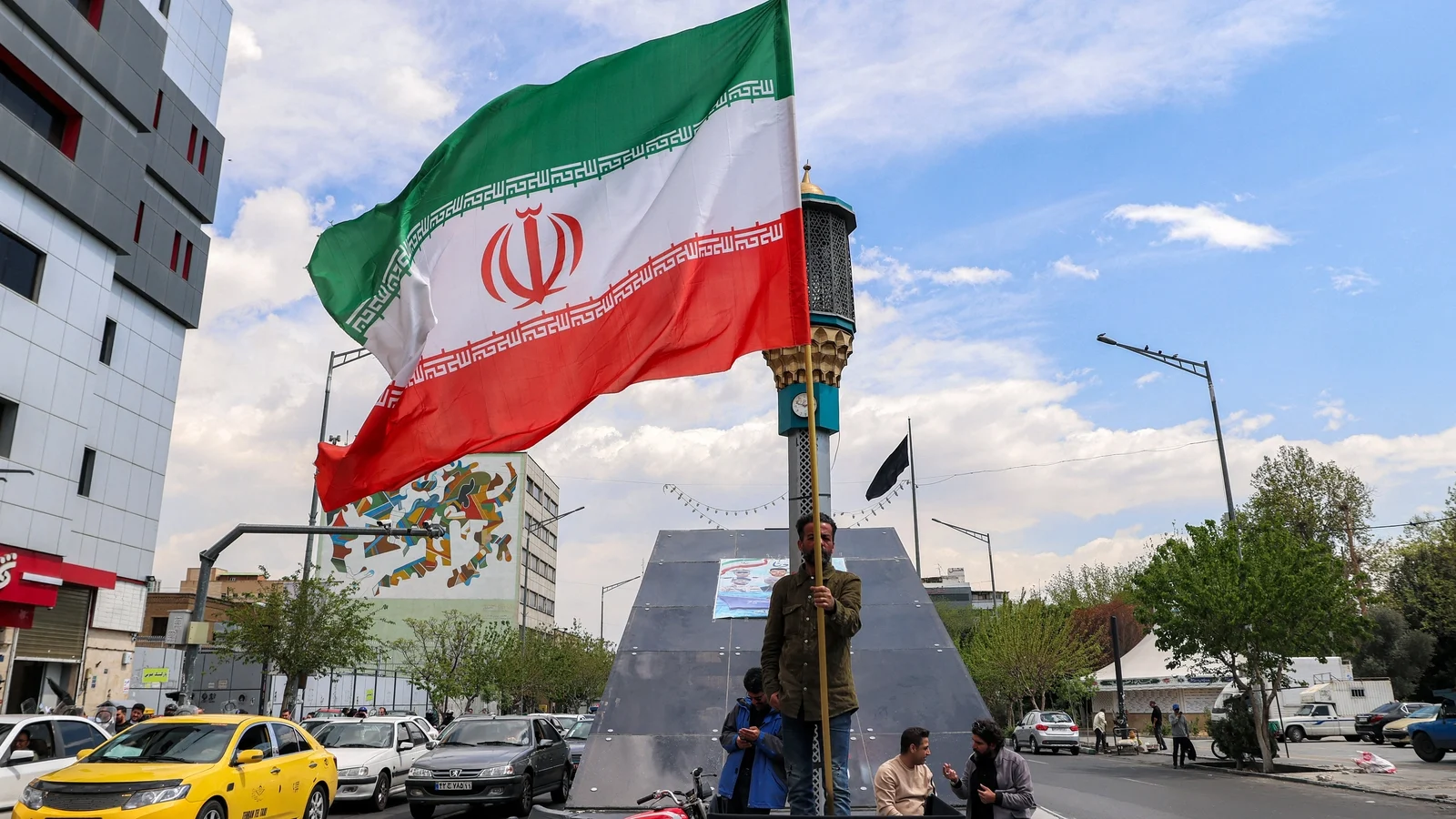
Across the water, a Tehran café hummed with quieter, more personal fears. “My father remembers the 1980s,” said Miriam, a schoolteacher, her voice steady but small. “He lost friends then. We were children being told to hide under tables. To have those words bother us again—it’s like opening an old wound.”
On the trading floors of Tokyo and London the response was brisk and monetary. Analysts described a nervous scramble to rebalance portfolios, to price in the new unpredictability of policy delivered via social platforms. “Risk models are built on probabilities and precedent,” said an equity strategist on condition of anonymity. “Social-media-led foreign policy is a variable our models weren’t designed for.”
The Law, and the Erosion of Norms
Experts in international law were blunt. The deliberate targeting of civilian infrastructure—power plants, bridges, water systems—is prohibited under international humanitarian law unless such targets have become legitimate military objectives and their destruction offers a clear, measurable military advantage.
“There is little precedent for a leader publicly threatening to ‘erase a civilisation’ and then framing attacks on bridges and power stations as lawful,” said Professor Johan Kvale, an authority on armed conflict law. “Even in conflict, legal and moral constraints exist to minimize civilian suffering. Rhetoric like this chips away at those constraints.”
Ripples Beyond the Strait: Alliances, Realignment, and the Commodification of Fear
What happens when a traditional security guarantor begins to speak—or threaten—in ways that feel capricious? The instinct among many states will be to hedge, to diversify, to seek partners less prone to public temper tantrums and more to predictable, rule-based interactions.
Look at the bigger chessboard, and the outlines are clear: an erosion of trust can push countries toward new alignments. For some, that means deeper ties with China, whose offers of investment and infrastructure come packaged with strategic certainty—and an authoritarian flavor of stability. For others, it means hurriedly reinforcing regional coalitions, stockpiling diplomatic capital and defensive hardware.
- Greater regional militarization, as neighbors build contingencies.
- Commercial rerouting, as companies seek supply-chain resilience.
- Diplomatic fatigue, as allies grapple with unpredictability from the top.
Where Do We Go from Here?
There is relief in the temporary halt—two weeks, an eye-blink in geopolitical time—but it’s brittle. The episode laid bare a new reality: in an era of instant broadcast and personal-brand governance, a single post can destabilize markets, stress alliances, and threaten human lives.
So what questions should we carry forward? How do democratic societies hold leaders accountable when their loudest megaphone is a private platform? How should international law adapt when threats are public performances rather than formal declarations? And perhaps most importantly, how do ordinary people rebuild trust in institutions that once mediated between politicians and war?
“We survived the day,” Reza the tugboat captain said, watching a tanker slip like a great grey beetle through the Hormuz. “But survival isn’t enough. We want predictability. We want leaders who speak like custodians of peace, not arsonists with phones.”
In the weeks ahead, expect debates about norms, about the limits of presidential speech, about the role of social media in statecraft. Expect markets, too, to remember this day as a moment when political theater became economic reality. And expect ordinary people—fishermen, teachers, traders—to keep asking the simplest, hardest question of all: who keeps us safe when the people entrusted with that safety speak as if they can erase whole histories with a single sentence?