A Quiet Unravelling: When the World’s Safety Net Comes Apart
On a blistering afternoon in a small clinic on the edge of Lake Malawi, a nurse named Josephine wipes sweat from his brow and counts dwindling vials of antimalarial medicine. “Last year we would send two boxes to the far villages,” she says. “Now we ration one dose at a time.” His voice is small but not surprised; this is the rhythm of life when support frays from afar.
What Josephine feels in her hands has a name in Paris: a historic contraction in international aid. The Organisation for Economic Cooperation and Development’s preliminary figures show a 23.1% real-terms drop in official development assistance (ODA) last year — a decline that the OECD called the largest annual contraction in the history of its Development Assistance Committee.
What the Numbers Reveal
Those numbers are stark and uncompromising. Member countries’ ODA reached $174.3 billion last year, representing just 0.26% of their combined gross national income — a long way from the widely quoted 0.7% target that many nations promised decades ago.
The decline was broad: 26 of 34 DAC members reduced their aid budgets. But the fall was concentrated in a few places. The five biggest donors — France, Germany, Japan, Britain and the United States — accounted for 95.7% of the drop. And the United States alone drove three-quarters of the decline: its ODA fell 56.9%, the single largest reduction by any provider in any year on record. Even Germany, which cut aid by 17.4%, became the largest donor by default because of the scale of the American pullback.
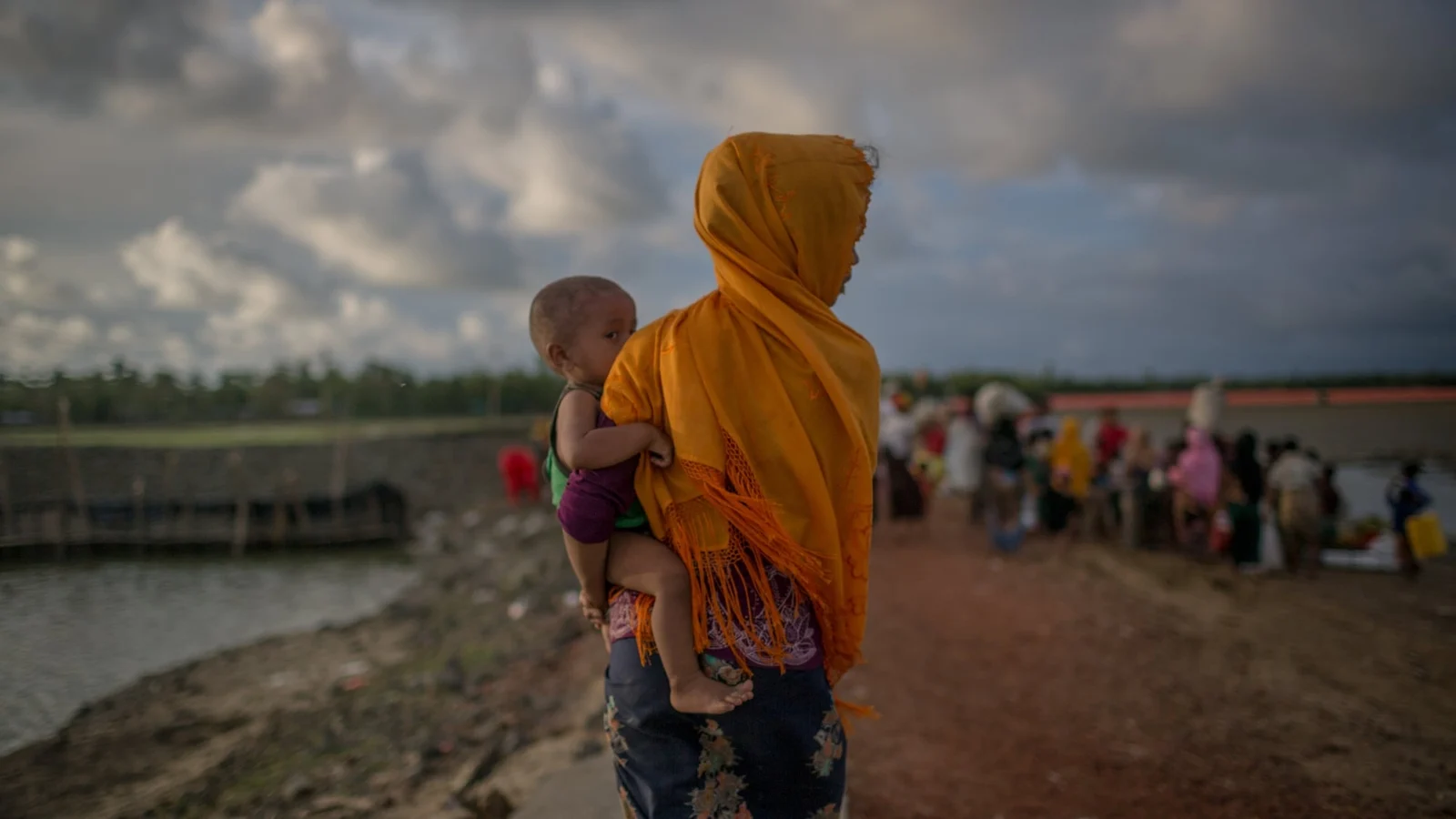
These are not abstractions. When budgets fall, planes stop delivering vaccines, wells go unbuilt, and clinics like the one where Josephine works run out of essential supplies. The nonprofit Oxfam and other analysts warn of grim consequences if the trend continues. The Institute of Global Health in Barcelona, cited by campaigners, estimates that cuts of this magnitude could result in the deaths of hundreds of thousands — and, if sustained, potentially more than nine million people by 2030.
Voices from the Ground
“We’re not asking for charity,” says Amina, a schoolteacher in coastal Senegal whose students’ school lunch program was scaled back after aid funding dropped. “We’re asking for a chance to learn and to be healthy. When the meals stop, children miss class. When they miss class, the whole village misses a generation.”
In a refugee settlement in Lebanon, a UN field officer named Karim speaks bluntly about shifting priorities. “Humanitarian needs are rising — climate shocks, conflict, displacement — yet the money is retreating,” he says. “That mismatch is not an economic footnote. It’s a political choice.”
Back in Europe, a finance ministry official who asked not to be named described the decisions as painful trade-offs: “Budgets are under pressure from inflation, defense commitments and domestic politics. Governments are prioritizing perceived immediate interests.”
Why This Matters Beyond Borders
It’s tempting to view these numbers as the dry arithmetic of distant capitals. But aid is woven into a global ecosystem: health systems, education, food security, climate resilience, and migration pathways. When one strand snaps, the rest strain. Outbreaks of preventable disease can cross borders. Economic shocks can destabilize regions. Human suffering in one place can fuel displacement and insecurity elsewhere.
Ask yourself: what is the moral ledger by which nations count their obligations to strangers who wake up with fewer options? How does a global community reconcile urgent domestic pressures with responsibilities that are boundless by definition?
Local Color and Everyday Realities
In Josephine’s clinic, the walls still carry faded posters about childhood immunizations and mosquito nets. A hand-painted calendar marks international donation days like they are holy festivals. “People used to come from miles for the vaccine caravan,” says Josephine. “Now the van comes less often.”
In urban Accra, market vendors talk about the invisible threads that aid programs once provided — microloans that helped women buy sewing machines, subsidized seedlings for small farmers, community health workers taught through donor-funded training programs. “It’s not charity,” says Esi, a vendor who learned sewing through one program. “It’s the chance to start business and take care of my children.”
Where the Money Could Come From — and Why It Doesn’t
Critics argue that the sums needed to shore up aid are not astronomical in a global economy awash with wealth. Didier Jacobs, a development finance lead at Oxfam, points to staggering levels of private wealth parked in tax havens — an estimate put at $2.84 trillion. “There are other ways to find tens of billions of dollars,” he says. “Tax dodging and secrecy are political choices that cost lives.”
Solutions suggested by experts range from closing tax loopholes and enforcing transparency to innovative financing mechanisms and rethinking spending priorities. Yet every option bumps against political realities: voters’ impatience with foreign spending, rising nationalism, and the ebb and flow of geopolitical conflict.
Possible levers to restore aid and resilience
- Crack down on tax havens and require public country-by-country reporting for corporations.
- Recommit to international aid targets and embed long-term funding for health and climate adaptation.
- Scale up debt relief and restructure loans to free up fiscal space in low-income countries.
- Mobilize private capital responsibly with safeguards so communities retain control.
What Can Be Done Now: Practical Steps
There is no single fix. But small, strategic moves can blunt the worst effects and buy time for more systemic reforms.
- Reinstate emergency funding windows for critical health and humanitarian programs.
- Prioritize preventative measures — vaccines, water and sanitation, and climate-resilient agriculture.
- Increase transparency and conditionality to ensure aid supports local priorities and builds capacity.
“Aid is not always neat,” says Dr. Maria Alvarez, a global health researcher. “It can be misdirected. But when targeted correctly, it prevents crises that are far costlier than the initial investment.”
Final Reflection: A Choice Between Scarcity and Solidarity
Walking away from investment in other people’s futures is a choice that echoes. It speaks to a shrinking imagination about what we owe one another in an interconnected age. Choices about budgets are choices about lives. They determine whether clinics run, whether children learn, whether communities withstand storms.
So here’s the invitation: look past the headline figure and imagine the faces behind it. Think of Josephine rationing medicine, of Amina’s students missing lunch, of farmers unable to plant for the season. Ask: what kind of world do we want to defend — one that fences wealth behind borders, or one that invests, however imperfectly, in shared resilience?
The statistics are the alarm bell. The response will be political, moral, and — if we hope for better outcomes — collective. Will nations hear it? Will citizens demand their leaders do more than choose the short-term comfort of austerity over the long-term safety of global solidarity? The answer is not just in Paris or Washington; it’s in marketplaces, clinics, and small leadership decisions across the world. And it’s, ultimately, in our hands.