A Fragile Pause: The Strait, The Deal, and the Weathered Faces of a Region on Edge
It was dawn when I walked the narrow waterfront in Bandar Abbas, the southern Iranian port that lives and breathes the Strait of Hormuz. Fishermen mended nets beneath ragged awnings; an oilman wrapped his hands in cloth against the cool sea breeze. The water looked unchanged—blue and indifferent—but the lanes that once carried the globe’s energy lifeblood are anything but normal now.
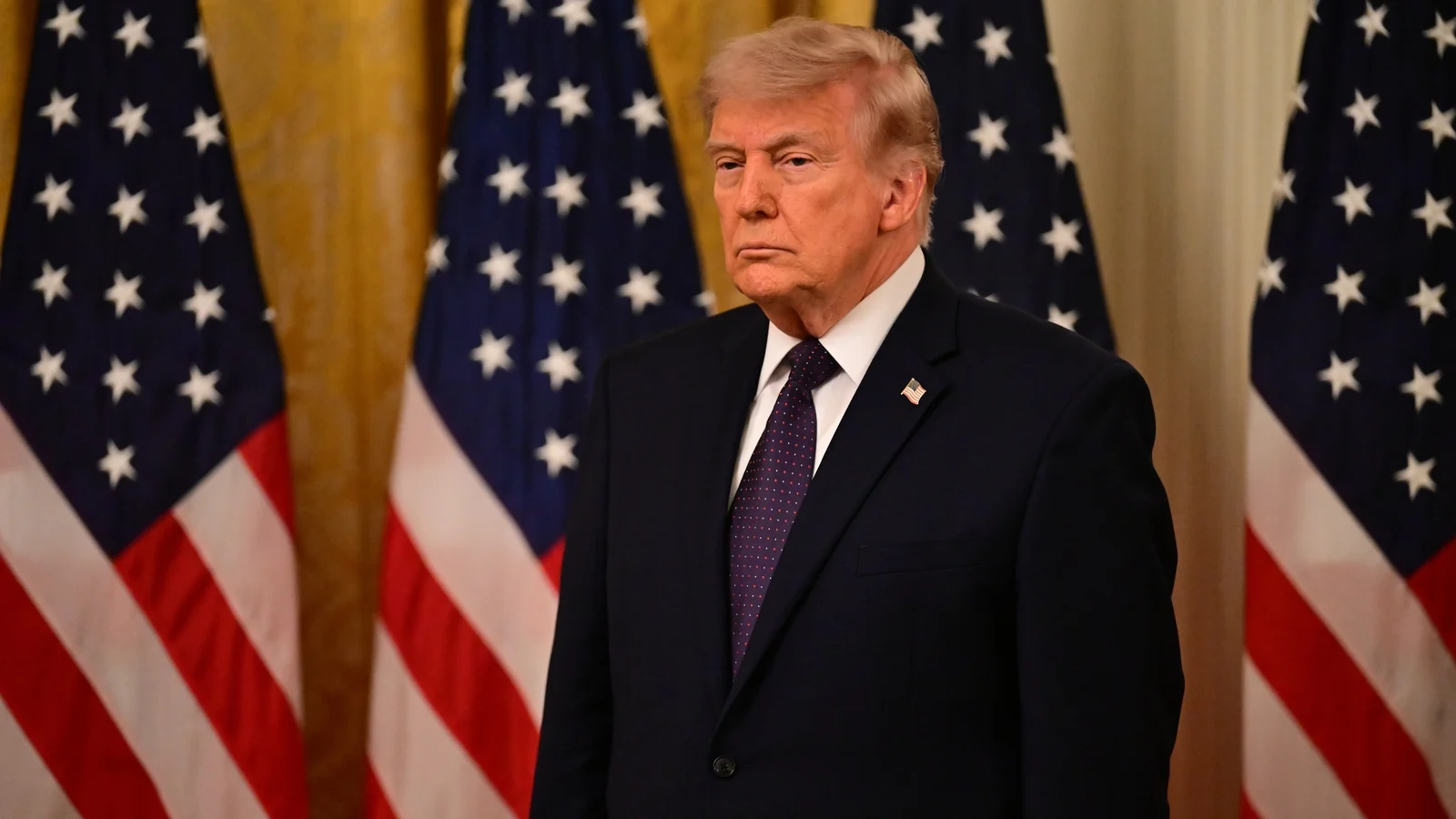
From Washington’s gilded corridors to Tehran’s shadowed halls, and the dusty meeting rooms in Rawalpindi where mediators sip sweet tea and trade drafts of peace, a tentative outline of an agreement has begun to take shape. U.S. President Donald Trump took to social media to say a “largely negotiated” memorandum of understanding would reopen the Strait of Hormuz. For many, the claim felt like good news. For others, it landed like a loose stone in a river: potentially influential, but uncertain where it would settle.
Two Versions of the Same Story
The announcement did not come wrapped in the usual diplomatic dry language. Instead it arrived in a short, confident post: final details were “being discussed” and would be made public soon. But Tehran’s state-linked Fars news agency pushed back sharply, reporting that the deal would allow Iran to manage the strait—an assertion that made many outside analysts raise an eyebrow. “What matters to us is sovereignty and security,” one Iranian official told a local paper. “Any plan that ignores that will not stand.”
So which is it? Will the strait be reopened under international oversight, will Iran be given supervisory authority, or will the memorandum be a careful compromise with ambiguous language engineered to let everyone claim victory? The answer may be less important to policymakers than to the tens of thousands of sailors, dockworkers, and traders whose livelihoods depend on clear, stable passage through one of the planet’s narrowest and most consequential waterways.
The Three-Stage Framework Being Whispers About
Sources close to the talks describe a phased proposal that sounds logical on paper and tricky in execution:
- Formal cessation of active hostilities — a legal end to this chapter of the war.
- Resolution of the crisis over the Strait of Hormuz — reopening commercial shipping lanes and arranging oversight and guarantees.
- A 30-day window to negotiate a broader agreement, extendable if parties agree.
“We are not naïve,” said a Pakistani negotiator who asked not to be named. “This is a roadmap to stop the bleeding first, then take the hard steps.”
What Iran Might Accept — and What It Won’t
The New York Times reported, citing anonymous U.S. officials, that the draft framework included an apparent commitment by Tehran to part with its stockpile of highly enriched uranium—a red line for many. But those details are reportedly being left for a subsequent round of talks. Iran, after all, has long insisted its nuclear pursuits are civilian and that it will not be unduly coerced into surrendering sovereign rights.
“We have told mediators clearly: our priority is ending the threat of attacks and the blockade of our ports,” said an Iranian Foreign Ministry spokesperson. “Sanctions on our oil and shipping must be lifted, and regional issues—especially Lebanon—must be part of any durable solution.”
For many in Tehran, the memory of past concessions sits heavy. You can see it in the way older men at tea houses refer to the sanctions decade, the slow erosion of incomes and social services. “We want peace,” said a dockworker who unloads LPG tankers when they come. “But not at the price of humiliation.”
Pakistan’s Role: Mediator in the Middle
Pakistan’s Chief of Army Staff Asim Munir has been the diplomat in the field, meeting Iran’s top figures and returning to brief Islamabad. Pakistani officials say the talks have made “encouraging” progress. Prime Minister Shehbaz Sharif publicly thanked President Trump for his “extraordinary efforts” in pursuit of peace. It is an unusual moment: a country that often plays quiet, regional intermediary suddenly cast in the spotlight.
“We are balancing responsibilities,” a Pakistani source involved in negotiations told me. “We know what ending this war could mean for stability across the region—from Karachi’s ports to the Levant. We are trying to stitch a fragile consensus.”
The Wider Chessboard: Lebanon, Hezbollah, and Israel
The threads of this conflict run beyond Hormuz and Tehran. Lebanon, scarred and exhausted, has been pulled into fighting that many saw as a blowback loop: Hezbollah firing rockets into Israel, and the Israeli military responding with strikes across southern Lebanon. The Lebanese health ministry’s toll—over 3,000 dead since March—paints a grim picture of civilian suffering that hardly fits into the tidy boxes of diplomacy.
A nurse at a hospital in Tyre, who has treated the wounded through endless nights, whispered, “We are running out of everything—bandages, patience, answers.”
Hezbollah insists Iran will not abandon it. The group says a message from Tehran demanded that Lebanon be included in any broader ceasefire terms, a demand that Lebanon’s authorities have resisted, insisting their talks with Israel must follow a separate track under U.S. auspices. The result is a layered conflict with overlapping demands and competing sovereignties.
Global Stakes: Energy, Security, and Public Opinion
Why should a reader in Lagos, London, or Lima care? Because the Strait of Hormuz is one of the globe’s busiest maritime choke points. At various times in recent decades, roughly one-fifth of global seaborne oil has transited its narrow waters. When tankers are diverted or delayed, energy markets tighten and prices ripple from refineries to gas pumps, raising the cost of living for ordinary people worldwide.
President Trump has faced political pressure at home from rising energy costs and public unease about the war’s direction. He even cited the conflict among reasons for delaying personal events, a small human detail that underscores how geopolitics and private life now intersect sharply for leaders too.
What Comes Next — And Why We Should Watch
Details remain in flux. If the U.S. accepts the draft memorandum, negotiators hope to hammer out remaining details after Eid. If not, the region could be back on a precipice. Either way, the outcome will test the diplomatic craft of regional players, the resolve of international powers, and the appetite of populations that have already paid dearly.
What does peace look like in a war that has been fought across states, proxies, and the sea itself? Can a memorandum—imprecise by design—be the fulcrum for true stability? Or will it simply be another pause in a conflict driven by deeper grievances and competing visions for the Middle East?
A Final Note from the Waterfront
Back in Bandar Abbas, a boy pushed a toy boat along the concrete quay. He laughed as the wind tugged at his shirt. A fisherman paused, nodded toward the horizon, and said simply: “Ships will come; but until the words on paper match the words in our mouths, we will watch.”
That line—simple, stubborn, human—captures the precariousness of this moment. We can map out stages and draft frameworks, tally stockpiles and sanctions, and debate sovereignty. But at the edge of the water, where the world’s commerce and courage meet, the question is plain: can politics repair the human seams torn by war? The answer may define the next chapter not just for the nations involved, but for a global community watching, waiting, and hoping for calmer seas.