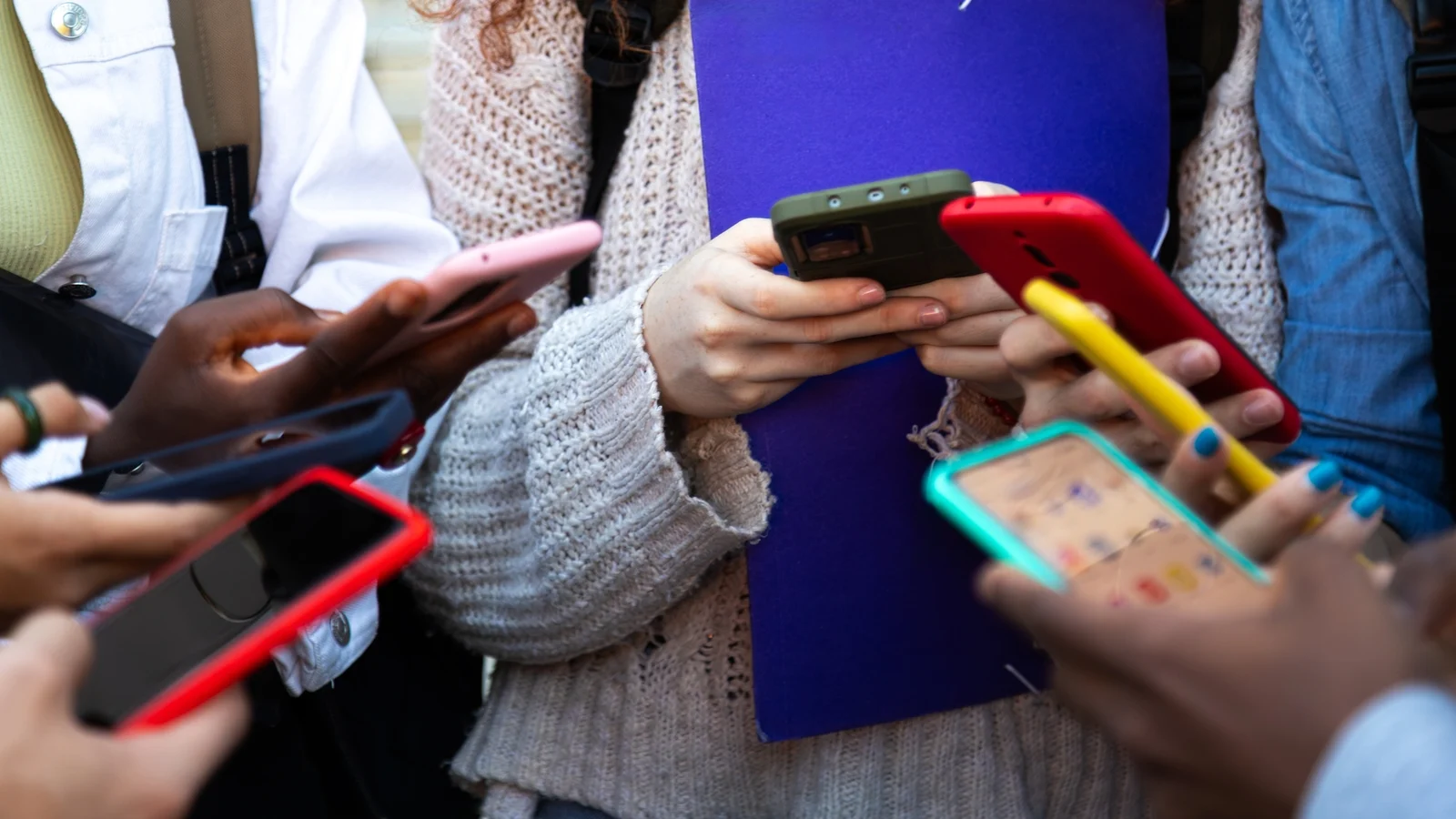
A sweeping crackdown on children’s online access is coming to the UK, with Prime Minister Keir Starmer announcing a ban on social media for under-16s and tougher default protections across the wider digital world.
Speaking at a Downing Street press conference, Mr Starmer said social media is affecting children’s happiness and mental health, and insisted he would not compromise on the “safety and happiness of our children”.
He said he believes the ban can work, while conceding that some young people will still try to evade restrictions.
The policy is expected to take effect by early next year.
Alongside the under-16 ban, the government will take what Mr Starmer called “world leading” steps covering gaming and live streaming platforms so strangers cannot contact children.
Those safeguards will be switched on by default for children up to 17, he said.
Ministers are also examining further measures for under-18s, including potential overnight curfews and interruptions to infinite scrolling.
Calling a full ban on under-16s using social media sites “the right choice”, Mr Starmer acknowledged the decision comes with trade-offs.
The father-of-two said: “This is not something I do lightly, and I will not present it as cost-free, as if social media has brought no benefits to young people, because clearly that is wrong.
“But Government is always about choices, and it’s clear to me that a full ban is the right choice.
“I come to it as a parent myself. I know exactly the fears that we all feel when we’re thinking about this issue.
“All I’ve ever wanted for my own children, hand on heart, is for them to be happy and for them to be safe, and I think that’s what any parent wants, but I ask the question now: Do we truly believe that social media creates a happy environment for our children?
“Do we truly believe that it’s a place where they can feel safe? I don’t think I even need to answer those questions, do I?
“Every parent can see it with their own eyes. Social media is making children unhappy.”
We are banning social media access for under 16s.
These days kids must find their feet in a world where technology intrudes into every area of their life.
I just can’t let that go on anymore. So we’re giving children their childhoods back.
Mr Starmer argued social media was “making it easier for bullies to harass and abuse” children and “could even be harming their mental health – exposing them to content that is dangerous, because that’s what grabs the attention”.
His remarks drew applause from campaigners invited into No 10 to hear the speech.
The announcement came shortly before Mr Starmer was due to travel to the G7 summit in France, where he will meet world leaders including US president Donald Trump.
He noted there has been resistance from the Trump administration to moves targeting social media firms, many of which are headquartered in the US.
Mr Starmer said he has spoken to Mr Trump and plans to raise the issue again, stressing that countries around the world are “grappling” with children’s safety online.
The decision also lands as Mr Starmer faces pressure at home, fighting for his political future ahead of the Makerfield by-election on Thursday. The contest could see Andy Burnham return to Westminster and mount a bid to replace him as Prime Minister and Labour leader.
Keir Starmer said children’s online safety is ‘one of the biggest debates of our time’
As he set out the plan, the Prime Minister indicated there would be a carve-out for online learning tools such as YouTube Kids.
However, YouTube warned that an across-the-board social media ban could have unintended consequences by diverting children to platforms with weaker safeguards.
A YouTube spokesperson said: “We’ve invested in expert-led, age-appropriate experiences and default protections for teens for over a decade and will continue to do so.
“YouTube is a vital resource for young people, educators and parents.
“Blanket bans push kids out of such curated, supervised, beneficial experiences and towards anonymous, less-safe services.”
Scotland’s Children’s Commissioner also cautioned that a ban could produce a “real risk” of children being “driven to darker places on the internet”.
Nicola Killean said current evidence does not show that prohibiting children under 16 from social media will make them safer online.
We need your consent to load this rte-player contentWe use rte-player to manage extra content that can set cookies on your device and collect data about your activity. Please review their details and accept them to load the content.Manage Preferences.