A sweeping new move by President Donald Trump could reshape Venezuela’s oil sector — and potentially the US fuel market — after he announced an unprecedented American bid to take control of a fifth of the OPEC nation’s vast petroleum reserves.
Mr Trump said the United States has obtained majority control of more than 65 billion barrels of Venezuela’s proven oil reserves, arguing that a partnership involving private businesses could help revive a battered industry while adding a fresh stream of crude that might ease US fuel prices.
“At my direction, Secretary of State Marco Rubio, and Secretary of War Pete Hegseth, working closely with Highly Respected Interim President of Venezuela, Delcy Rodriguez, and, through a partnership with private business, have secured majority US control of more than 65 BILLION BARRELS of proven Oil Reserves in Venezuela, at no cost to the American Taxpayer,” Mr Trump wrote on Truth Social.
Beyond that statement, the president offered little clarity on how the arrangement is structured. He did not identify which oilfields are covered, which companies are involved, or how Washington would exercise majority control over the reserves.
The declaration follows weeks of US-Venezuelan talks on a framework that would grant American companies long-term access to a set of Venezuelan oilfields and commit the resulting crude supply to the United States.
Venezuelan officials are now preparing to sign agreements next week that would award new exploration and production rights to several companies, particularly US firms.
Sources previously told Reuters that negotiators had discussed a lease model, potentially allowing fields to be auctioned to US producers. But any such arrangement could run into legal and constitutional headwinds inside Venezuela, where the state maintains control over key oil-industry activities.
If implemented as described, the pact would mark a sharp expansion of the US footprint in Venezuela’s energy sector, as the Trump administration seeks to lift the country’s eroded production base and secure additional crude for US refineries.
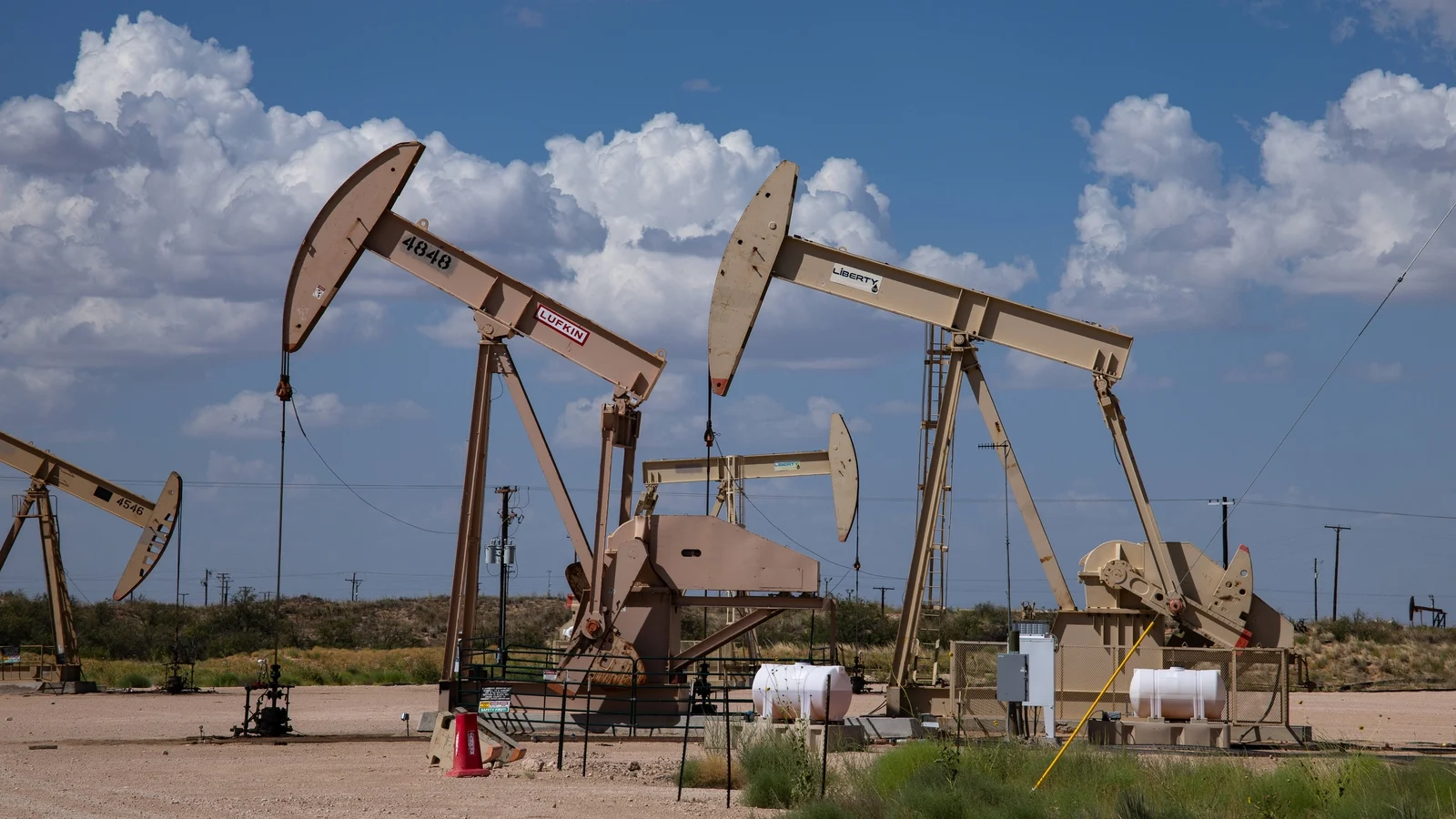
Venezuela holds the world’s largest proven oil reserves but produces only about 1.25 million barrels per day — a fraction of its capacity after years of underinvestment, mismanagement and sanctions.
Secretary of State Marco Rubio cast the arrangement as a dual benefit, writing on X that it would lock in stable, low-cost oil for the United States and help push gasoline prices lower.
For Venezuela, Mr Rubio said the deal would bring nearly $100 billion in private investment, support thousands of high-paying jobs and contribute to rebuilding the country’s economy.
Legal basis unclear
Energy analysts said they would need to see the agreement’s legal and financial design before judging whether it can draw meaningful capital into Venezuela.
They also cautioned that any relief at the pump may not come quickly, since expanding production of Venezuela’s heavy crude — and building the equipment to move and process it — can take years.
David Goldwyn, president of Goldwyn Global Strategies, said the central question is whether any US government lease would have a legal footing under Venezuela’s constitution and its new hydrocarbons law. He added there is “no precedent for having the US government enter into a lease to operate oil fields.”
Mr Goldwyn also doubted the proposal, as outlined so far, solves the long-running problems that have repeatedly discouraged investors.
“It is hard to see how this kind of arrangement would accelerate investment at any material scale,” he said, pointing to political uncertainty, a weak power grid, limited export capacity and government discretion over the industry.
Since the US captured and removed former President Nicolas Maduro from power in January, Washington has been trying to secure a stable flow of Venezuelan crude oil for US refineries while promoting American investment in the country’s oil industry.
The Trump administration faces pressure ahead of midterm elections scheduled later this year as gasoline prices rise, and additional supplies of cheaper crude — coupled with higher output — could help provide relief.
Cheaper oil supplies and expanded output could help.
Washington has also been searching for ways to rebuild its Strategic Petroleum Reserve, the government’s emergency stockpile, including options such as crude swaps with US producers.
Venezuela nationalised its oil industry in the 1970s, installing state-run PDVSA at its centre.
Under former President Hugo Chavez, Caracas tightened its grip, compelling foreign producers into state-led joint ventures and later expropriating assets, including projects operated by Exxon Mobil and Conoco Phillips.
Under Mr Maduro, years of underinvestment, mismanagement, political turmoil and US sanctions drove Venezuela’s production sharply lower.