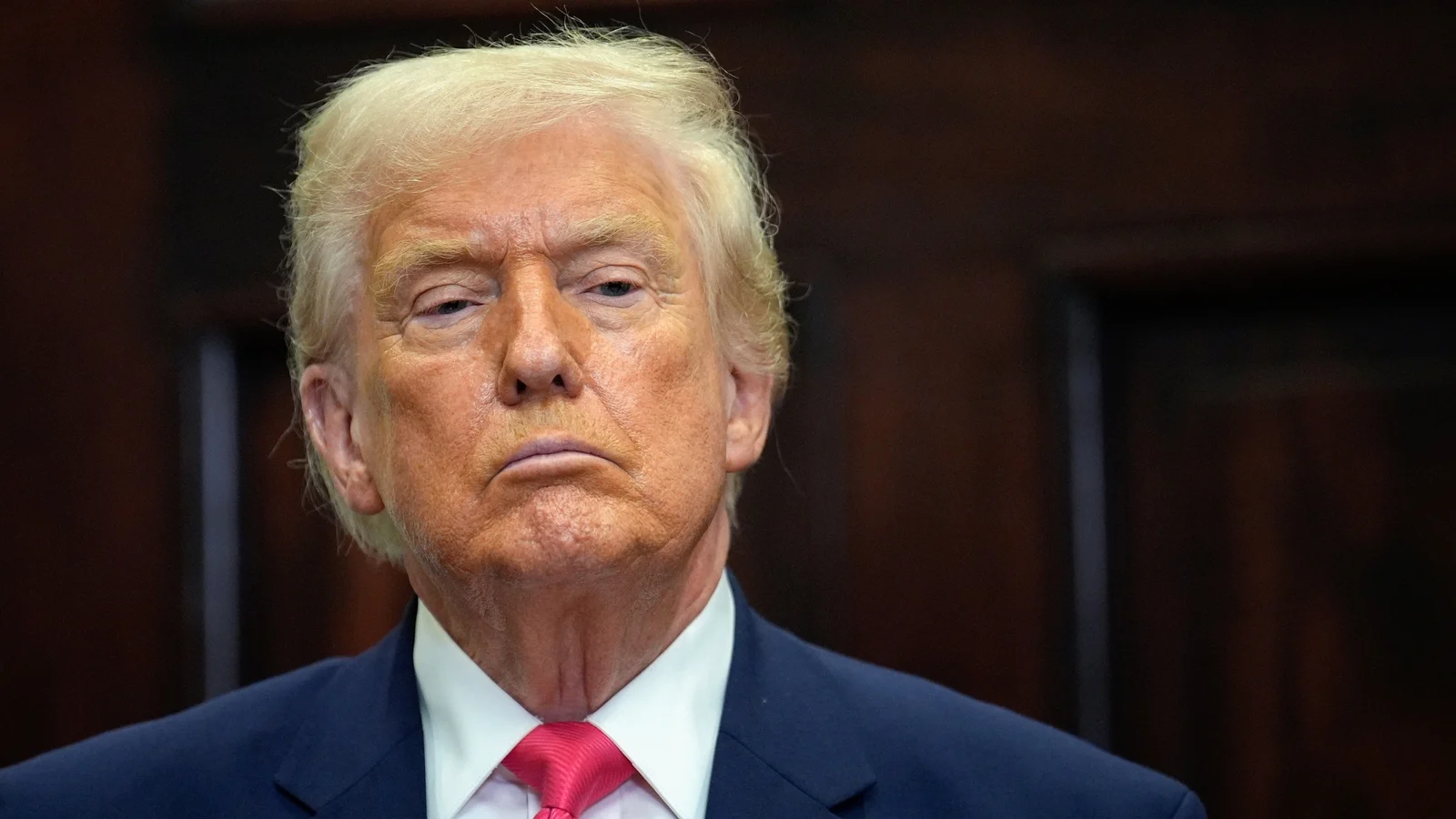
The Day a Community Felt the Country Turn Its Back
On a cold afternoon in Cedar-Riverside, the neighborhood where Somali voices have threaded into Minneapolis’s daily life for decades, the scent of freshly made sambusas hangs over the corner. Men sip tea under the awning of a tiny grocery, and children race past murals of blue oceans and faraway cities. For many here, this is home — not a waypoint, not a story to be told about somewhere else, but the place they vote, work and raise their children.
And yet, at a White House cabinet meeting thousands of miles away, an unmistakably different message was being sent: a nation’s leader publicly branded an entire diaspora as unwanted, calling them “garbage” and urging that they be sent back. The rhetoric landed like a cold wind, slicing straight through the life this neighborhood has built.
When National Politics Meets Local Lives
President Donald Trump’s remarks, delivered in blunt, inflammatory language, surfaced against the backdrop of a sprawling fraud investigation in Minnesota in which prosecutors say more than $1 billion was funneled to bogus social services programs — schemes prosecutors allege were largely orchestrated by individuals who identified as Somali American.
That nexus — a criminal probe in a state with a prominent Somali population and a president eager for a political wedge issue — created the conditions for sweeping condemnations that many here call scapegoating.
“We are a community of shopkeepers and teachers and mosque-goers,” said Amina Aden, who runs a small halal grocery on Riverside Avenue. “My father came here with nothing. My kids are American. When people say ‘go back where you came from,’ who are they speaking to? My son who wants to join the Army? My daughter who attends college?”
A Community’s Pride, and the Pain of Being Branded
For decades, Minnesota has been one of the primary American homes for Somali refugees fleeing civil war and instability. The Twin Cities region is often described by community leaders as the largest concentration of Somalis in the United States — a community that has brought restaurants, businesses, festivals and political energy to the state.
“You cannot separate a scandal from the many human stories of success and hard work,” said Imam Yusuf Farah of Masjid al-Mumin. “When one person steals, we do not say all pharmacists are thieves. Yet today an entire community is made to pay for the sins of a few.”
The soured rhetoric was matched with a policy move: the administration announced a pause on immigration processing for nationals of 19 non-European countries, including Somalia. The memorandum accompanying the policy cited national-security concerns and recent crimes involving immigrants as justification for a sweeping re-review of pending applications including green cards and naturalization interviews.
- Countries named in the policy include: Afghanistan, Somalia, Iran, Libya, Yemen, Eritrea, the Republic of the Congo, Equatorial Guinea, Haiti, Burma (Myanmar), Sudan, Chad, Burundi, Cuba, Laos, Sierra Leone, Togo, Turkmenistan, Venezuela, and others.
Immigration lawyers and civil-rights groups warned that the pause — and associated canceled oath ceremonies and interviews — will create anxiety and disruption for families who have already navigated an arduous path to legal status.
Scandal, Responsibility, and the Trouble with Broad Brushes
There is a real criminal investigation at the center of this storm. Prosecutors in Minnesota say false billing schemes siphoned public funds, including during the pandemic when some groups falsely claimed they were feeding children — a particularly corrosive allegation because it touches on family, hunger and trust. Prosecutors have called the sums substantial: more than $1 billion, according to recent filings.
“If someone defrauds taxpayers, they should be held fully accountable,” said Laura Chen, a policy analyst who studies nonprofit compliance and fraud. “But it is a grave error for elected leaders to take the actions of individuals and cast suspicion over an entire people. There are institutional solutions — audits, strengthened oversight, better contracting rules — that don’t require ethnic profiling.”
Minnesota’s political leaders have been quick to push back. Governor Tim Walz, a Democrat, told national media that Minnesota does attract criminal activity like any prosperous state, but he rejected efforts to demonize communities based on the actions of a few. St. Paul Mayor Melvin Carter framed the rhetoric as more than policy — as an attack on the definition of who counts as “we the people.”
“The sacred question in America’s history has always been: who do we include?” Mayor Carter said. “When you call Somali-Americans ‘garbage,’ you aren’t just insulting a population — you’re tearing at the fabric of democracy.”
Voices From the Neighborhood
On the street, conversations skitter between outrage and weary endurance. Edris, a taxi driver who emigrated in the early 2000s, sips strong coffee and shakes his head at the idea of mass deportations.
“I have a mortgage,” he says. “I pay taxes. My neighbor is a nurse. My cousin teaches math. Are we to be punished because some people committed crimes? It is not right.”
Teachers in the local public schools report students who are suddenly anxious, asking whether they will be forced to leave the country where they were born and raised. Mosques are hosting more counseling sessions. Community organizations are scrambling to assist clients facing delayed immigration proceedings.
“People call us in tears,” said Fatima Noor, who coordinates family-support services at a nonprofit. “They fear their citizenship interviews will be canceled, their green card renewals delayed. For many, this is not abstract policy — it is about whether your grandmother will be able to stay.”
Beyond the Headlines: What This Moment Reveals
This story is more than a scandal and a speech. It reveals how fragile social trust can become when public life is mediated by sensational headlines and punitive policies. It raises urgent questions about justice: How do we hold wrongdoers accountable without dismantling the lives of the innocent? How do we enforce the rule of law without relying on ethnic stereotyping?
Ask yourself: what kind of country responds to alleged fraud by widening the net of suspicion? And who pays the price when that net catches families, students and frontline workers?
There are practical answers, too. Strengthening oversight of publicly funded programs, ensuring clearer procurement rules, and investing in community-based auditing can reduce opportunities for fraud. At the same time, leaders can choose to name criminals as individuals rather than as representatives of entire peoples.
Where Do We Go From Here?
In Cedar-Riverside, the life of the neighborhood pulses on. The bakery on the corner still fills the air with cinnamon. Schoolchildren still practice soccer behind the mosque. But the rhetoric from the nation’s capital has left a bruise.
“We want to be seen as Americans,” Amina says, carefully folding a receipt. “We want our children’s future to be here. We ask for fairness, and that is all.”
As the courts, communities and policymakers wrestle with fraud investigations and immigration policy, the human question remains: will this moment pull people together to build stronger, fairer systems — or will it be another chapter in a politics of division? The answer will shape not just Minnesota, but the meaning of belonging across America.