Gunfire on a Quiet Road: What One Evening in South Lebanon Reveals About a Fragile Peace
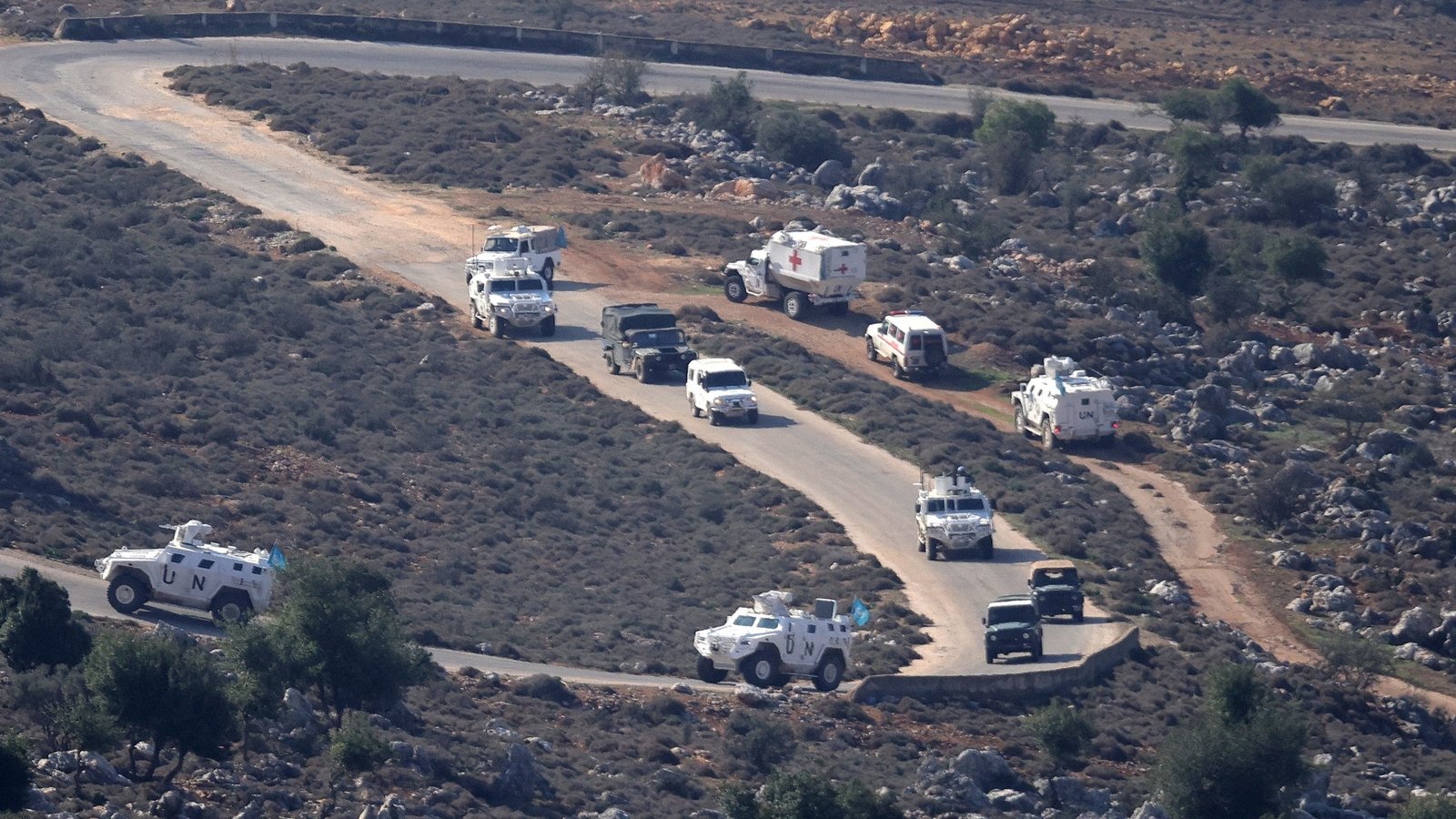
On a dusky Thursday, as the purple light slid down the hills of southern Lebanon, a routine UN patrol became the latest reminder that calm here is always provisional.
Around 6pm, near the village of Bint Jbeil — a place where olive trees slope toward the Litani River and the Israeli border feels uncomfortably close — six men on three mopeds rode up to a UNIFIL vehicle and opened fire. No one was hurt; one peacekeeper’s words would later be echoed by many in the area: “We felt the bang, the roar, and the weight of what could have been.”
What Happened
Details emerged quickly and, for once, with clarity. UNIFIL reported that about three shots were fired into the rear of an armoured patrol vehicle. The Irish contingent, part of the 127th Infantry Battalion serving with UNIFIL, said their personnel were exposed to “small arms fire” but that all soldiers were “well and accounted for.” The unit executed immediate action drills and returned to Camp Shamrock without casualties.
By the next day Lebanese army intelligence announced it had arrested six suspects believed to be involved. “We will not tolerate attacks on UNIFIL,” an army statement said, underlining the official line that Lebanon sees the mission as vital to stability south of the Litani.
Voices from the Ground
A shopkeeper in Bint Jbeil, wiping dust from a glass display of sweets, summed up local unease: “You hear guns, you get used to the sound, but you never get used to the feeling it brings. Tonight it could have been anyone.”
An Irish soldier, speaking quietly but insistently about training and routine, told a different part of the story: “We train for these moments. We didn’t panic. That discipline saves lives. But it also reminds you why we’re here — because some people think everyone’s day should include violence.”
An analyst in Beirut, who studies UN peacekeeping missions, added perspective: “This incident is small in the scale of battle, but symbolically huge. Attacks on peacekeepers undermine the last neutral spaces in a region marked by proxy conflict and mistrust.”
UNIFIL and Ireland: A Long-running Commitment
UNIFIL — the United Nations Interim Force in Lebanon — has been a fixture in this landscape since 1978. Its role has shifted with each flare-up of hostilities, but its core mission has remained: act as a buffer between Lebanese and Israeli forces, monitor the cessation of hostilities, and help stabilize the area.
For Ireland, this mission is particularly resonant. UNIFIL is the longest-running overseas peacekeeping commitment for the Irish Defence Forces, and Irish troops have become a familiar presence in southern Lebanon’s dusty towns and scenic valleys. “We take our role seriously,” a Defence Forces spokesperson said. “Óglaigh na hÉireann deeply condemns any acts of violence against UN personnel.” They also pledged to assist Lebanese authorities with investigations.
Why This Matters
This is not merely a local skirmish. The attack lands against a backdrop of a fragile November 2024 ceasefire that had sought to halt more than a year of hostilities between Israel and Hezbollah. The truce, drafted to see Israeli forces withdraw and Hezbollah disarm, has stumbled from the outset. Hezbollah has resisted disarmament, Israel has accused it of rebuilding capabilities, and the two sides continue to exchange fire and recriminations.
And because peacekeeping missions rely on perception — of neutrality, of safety — even a single fired round can ripple outward. When peacekeepers are threatened, their mandate becomes harder to enact; when they are safe, they can act as honest brokers and monitors. Put simply: when UNIFIL works, it reduces the chances of a small incident boiling into a wider conflagration.
Local Color, Local Costs
Walk the streets of villages like Bint Jbeil and you’ll see the textures that make this region so human: a woman bargaining over lemons; children racing through alleys while goats nibble at a sack of grain; a shop radio swapping between Arabic ballads and the dry cadence of a news bulletin. It’s a place where daily life and geopolitics brush together, almost constantly.
For residents, security is not an abstract policy brief — it’s the difference between a shop staying open or a family sleeping in another town. “We want peace so we can plant and harvest,” said an elderly farmer who tended a small grove of olive trees. “Not a peace you read about in papers, but the kind that lets my grandchildren run in the field without worrying about a siren.”
Broader Tendrils: Why the Region Remains Perilous
Beyond the immediate facts — six suspects arrested, no injuries, an Irish battalion unscathed — this incident speaks to deeper currents. The south is a mosaic of competing loyalties: local militia networks, the national Lebanese Army, UN peacekeepers, Israeli defense forces, and proxy relationships with regional powers. Any one misstep can be amplified.
Consider the larger trends: urbanization of conflict, where fighters hide among civilians; the use of small, mobile weapons platforms like mopeds; and the political vacuum that sometimes allows armed groups to act with impunity. These are not unique to Lebanon — they are part of a global pattern where asymmetrical warfare and political fragmentation create gray zones that challenge classical peacekeeping models.
Questions to Ponder
- What happens when peacekeepers — designed to be neutral buffers — become targets?
- How can international missions adapt to conflicts that are increasingly localized and decentralized?
- And how should the world weigh sovereignty, regional influence, and the safety of civilian populations?
What Comes Next
For now, the patrol returned to Camp Shamrock. The Lebanese army has said it will cooperate with investigators and has tried to demonstrate that it can enforce security. UNIFIL and the Irish contingent emphasized the continuation of their duties. “We will keep patrolling,” said an Irish commander. “We will keep trying to hold the space in the middle where things don’t explode.”
But each shot fired at a peacekeeper is a small erosion of faith — faith in treaties, in monitors, in the institutions meant to keep the worst at bay. Peace is not just a signed paper; it’s the confidence that no one will shoot when you are between two armed camps.
So, as you read this from wherever you are — a city apartment, a provincial town, a campus — ask yourself: what does it mean to protect peace in a place where peace is most fragile? And what price are we willing to accept for the neutral hands that try to hold it together?
The patrol’s vehicle bears a scar now — a few bullet holes and a file in an intelligence log. For the people who live around the Litani, and for the Irish soldiers who patrol its roads, the encounter will be another story to tell: of luck, of training, of the precariousness of calm. For the rest of the world, it should be a reminder that peacekeeping is both human work and global responsibility, requiring vigilance, resources, and, above all, political will.