When the Sky Turns Orange: A Night on the Edge in New South Wales
There are moments when the ordinary world becomes thin as tissue: the backyard barbecue, the dog dozing on the porch, the hum of a distant ferry — and then the sky changes. It takes on the color of an old bruise, the air tastes of iron, and the gum trees that have shaded a town for generations throw off their scent like an alarm.
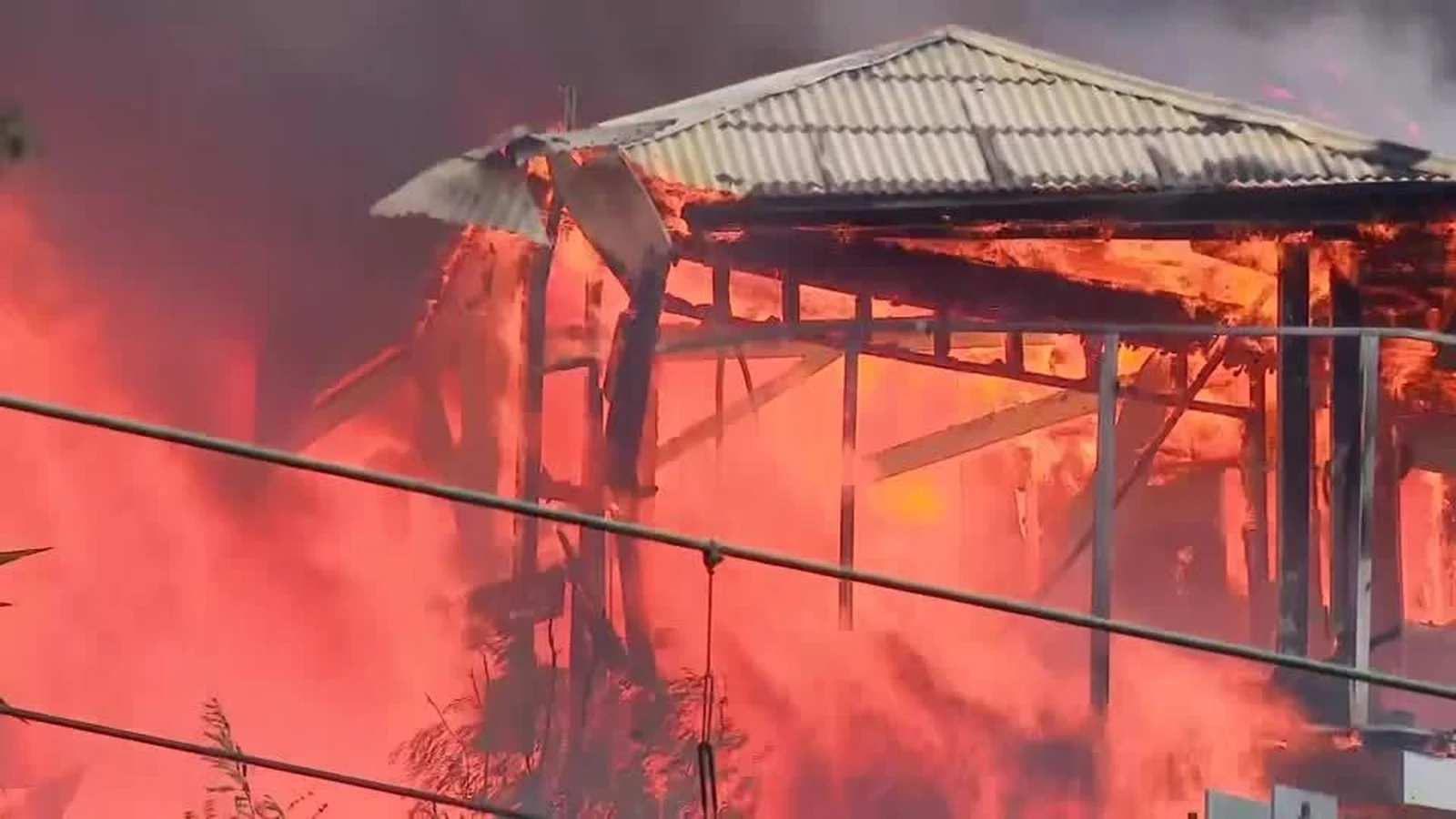
That was the scene this week along the Central Coast north of Sydney, where bushfires forced hasty evacuations from Phegans Bay and Woy Woy, communities that sit along the fingers of Brisbane Water. Emergency warnings climbed to the highest level, and people who had never imagined leaving their homes with minutes to spare found themselves packing photo albums, medications and their lives into cars while a heatwave, with thermometers nudging 42°C, stoked the flames beyond what most hoped possible.
“We just left with the dog and a few things in a bag”
“We just left with the dog and a few things in a bag,” said Sarah Thompson, who runs a tiny seafood café that usually smells of prawns and coffee. “The smoke came in so fast. One minute we were serving breakfast, the next the whole street was being told to go.”
Her voice was calm over the phone, but there was a raggedness beneath it. “The ash fell like gray snow. You could see then that it was serious.”
Local firefighters and residents spoke of frantic car queues, of people helping neighbors who did not drive, and of elderly residents carried out of houses by volunteers. The Rural Fire Service put it plainly: leave now if your escape route is clear. For many, that order arrived as sirens skimmed the coast and bushland flanked the roads like living tinderboxes.
More than embers: the scale of a growing season
Across New South Wales, more than fifty separate bushfires were burning at the height of the emergency. In the Upper Hunter, a fire reached the emergency rating and blazed through almost 10,000 hectares of countryside — a patchwork of farmland and native woodland now scarred in black. Early reports from the Central Coast counted as many as 16 homes lost; those numbers may change as damage assessments continue.
“We’ve got crews working around the clock,” said Mark Reynolds, a volunteer captain with a regional fire brigade. “It’s not just fighting flames — it’s doing triage on infrastructure, saving what we can, and trying to keep people calm. The heat makes everything harder. Crews are exhausted, but the community’s stepped up.”
Volunteer firefighters are the backbone of Australia’s rural emergency services. In towns like Woy Woy, they are baristas, teachers and tradespeople by day, and the men and women who will stand on the front line when the bush calls. The combination of blistering heat, low humidity and accumulated dry fuel from previous seasons creates a threat that can outpace even seasoned crews.
History as warning: remembering Black Summer
There is a name that still echoes through Australia’s consciousness: Black Summer. The 2019–2020 fires burned roughly 18.6 million hectares, destroyed thousands of homes and took 33 lives. Researchers estimate roughly three billion animals were affected, and entire ecosystems were altered in ways that may be irreversible. Those memories sharpen the communal anxiety when another hot season arrives.
“People remember the smoke and the loss,” said Dr. Emily Carter, a climate scientist at a Sydney university. “What’s different now is the frequency and intensity of heat extremes. The link between human-caused climate change and increased fire weather — higher temperatures, more prolonged drought — is well established.”
Local voices, broader truths
The Central Coast is a place of fishermen’s huts, weekend holidaymakers, and long-standing local communities. On a normal afternoon, the boardwalks are full of dogs, kids and anglers. Under threat, those same public spaces become staging areas for worry and kindness in equal measure.
“We opened the surf club as an information point,” said Liza Ahmed, a volunteer who had been handing out water and sunscreen to evacuees. “People come here confused and scared. They want facts and someone to hold their hand. That’s what small towns do.”
In the shadow of the fires, elders from local Indigenous communities have also been reaching out, speaking to the need for different approaches to land management. Around Australia, traditional cultural burning — small, controlled fires timed to reduce fuel and protect country — is gaining renewed attention as part of a broader conversation about prevention and stewardship.
“Our people knew the country,” a local community leader said. “We used fire like a tool. It’s about knowledge that’s been here longer than any of us. We need to listen.”
What the numbers tell us
Facts can anchor feeling. Here is what we know so far:
- Temperatures reached around 42°C during a central-coast heatwave, raising the fire danger significantly.
- More than 50 bushfires were active across New South Wales during the high-alert period.
- The Upper Hunter blaze burned nearly 10,000 hectares, while initial reports from the Central Coast listed up to 16 homes lost.
- The 2019–2020 Black Summer fires consumed an estimated 18.6 million hectares and led to massive ecological and human tolls.
Not just an Australian problem
Wildfires are a global symptom — from California to the Mediterranean, from Siberia to the Amazon. They expose the collision between climate change, land use, and communities that increasingly live at the edge of wild places. As urban areas expand into bushland, the risk to homes and lives grows, creating a policy problem that mixes disaster preparation, housing strategy, and climate mitigation.
“Preventing these fires isn’t just about firefighters and aircraft,” Dr. Carter added. “It’s about urban planning, funding for local brigades, and international action on emissions. You fix the symptom with suppression measures, but you reduce the disease by reducing emissions and adapting landscapes.”
Where people stand now
As the flames cool into smoldering edges and the wind shifts, communities begin to count what they have and what they have lost. For some, the day will be about reclaiming a home; for others it will be about deciding whether to rebuild at all. And for many, the day will be about how to prepare for the next time the sky turns orange.
“We’ll sweep up the ash and get back to work,” Sarah from the café said. “But there’s a tiredness. You don’t forget the smell of your town burning.”
What you can take away
If you’re reading this from somewhere far away, pause and think about your own neighborhood. How well would your community stand up under extreme weather? Who are the volunteers who would carry you out? What planning is happening now that could lower the risk next season?
These fires are not isolated incidents; they are part of a new normal. The choices we make in policy rooms and at kitchen tables will shape whether future generations inherit a world of smoke-filled skies or one where towns are safer, forests healthier, and communities more resilient.
For now, the people of the Central Coast wait under gray skies, making cup after small cup of tea, calling neighbors, tallying losses, and holding onto one another as the landscape heals — and, somewhere in the country, a volunteer brigade straightens their helmet, prepares their truck and goes back out to the edge.