When the Border Roared: Life and Loss Along the Thailand–Cambodia Frontier
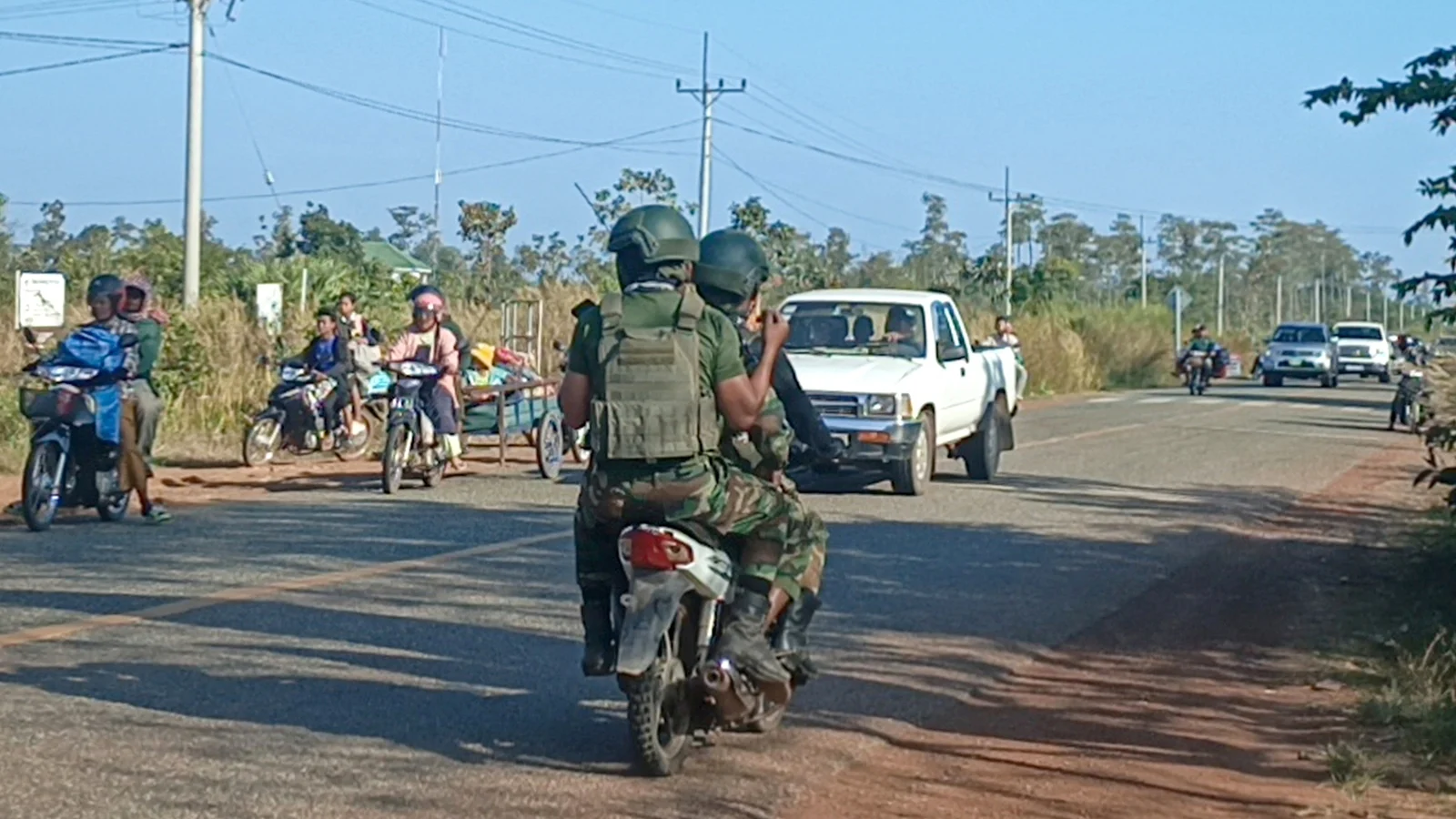
The night the shells came back, the sky over the border looked like a bruise. Villagers in the borderlands—where rice paddies blur into scrub and an ancient temple crowns a limestone outcrop—said they could see the flash, hear the thump, and taste the dust in the air. Within hours, entire families were on the move again, clutching documents, sandals, and the small, stubborn things you can carry when homes are no longer safe.
“We thought it was over,” said Pannarat Woratham, a 59-year-old farmer from Surin province in Thailand, her voice still vibrating with the strain of too many hurried departures. “This is the second time since July. The children cry. Even the temple bells sounded strange.” She fled in the afternoon to a wat—the centuries-old Buddhist temple that has become a sanctuary for the displaced—and watched neighbors arrive, one by one, with bedding and tears.
The Numbers That Make Reality
Facts can feel cold next to the human stories, but the numbers here do not lie. Thai officials say around 35,000 people in Thailand were evacuated after the latest flare-up along the border. Cambodia’s information ministry reported at least four civilian deaths in the provinces of Preah Vihear and Oddar Meanchey, and said roughly a dozen others were wounded, including a journalist struck by shrapnel.
The Thai military confirmed the death of one soldier and said 18 others were injured during renewed fighting. These figures come on the heels of an earlier bout of violence this summer: five days of heavy clashes that left 43 people dead and forced roughly 300,000 men, women, and children to move away from flashpoints on both sides of the frontier.
- 35,000 people evacuated in Thailand (official evacuation figures)
- 4 Cambodian civilians reported killed by shelling
- Approximately 10 civilians wounded, including a journalist
- 1 Thai soldier killed; 18 soldiers wounded
- Earlier clashes (five days) killed 43 people and displaced about 300,000
What Really Lies Beneath: Temples, Maps, and Memory
To understand why so many lives hang on the question of a few hectares of scrub and old stone, you have to travel back a century. The border between Thailand and Cambodia—or Siam and French Indochina, as it once was mapped—was drawn, more often than not, by colonial surveyors and paper. The maps they produced left behind a legacy of ambiguity that blossomed into recurring confrontation.
The famous temple of Preah Vihear, perched on a ridge and visible for miles, is both a world heritage site and an emotional epicentre. Cambodia claims the temple, and a 1962 International Court of Justice decision largely affirmed that claim, but surrounding areas remain contested. Local people, for whom the land is both livelihood and village, feel the consequences acutely.
“When you talk about this place with locals, they don’t speak in legal briefs. They speak about the season’s flooding, the cow that won’t calve, whether the paddy will survive another night without water,” said Dr. Somchai Anurak, a regional security analyst based in Bangkok. “But those very fields and hills are the theatre for a larger game—of national pride, of political face-saving, even geopolitics—where civilians become expendable variables.”
From Tanks to Temples: The Morning of the Air Strikes
Military spokespeople on both sides traded briefings and accusations as the skirmishes reignited. The Thai army said it launched air strikes in self-defence, insisting its aim was precision attacks on Cambodian military targets along the line of clash. “The Thai air power is being used only against Cambodian military targets,” a Thai army spokesman told reporters, adding that strikes were “highly precise and aimed solely at military objectives with no impact on civilians.”
Cambodia’s defence ministry painted a different picture, alleging that Thai forces used tanks and fighter jets in Preah Vihear and Oddar Meanchey and accused Bangkok of firing rockets near centuries-old temples. “They entered our village with tanks,” said Hul Malis, a woman from Prey Chan in Banteay Meanchey who fled with neighbours just minutes before reported incursions. “We are running. We are so scared.”
What Refuge Looks Like
The village temple—an oasis of shade, incense, and murmured sutras—has become an improvised shelter in places like Surin and Oddar Meanchey. Monks hand out rice and instant noodles. Local NGOs set up makeshift medical tents. Children in bright T-shirts play near leaning umbrellas while adults whisper about the latest order from a town official: leave, return, wait.
“Our phones ring all night. People ask where to go. We try to tell them: go to the school, go to the wat,” said Lina, a volunteer with a grassroots relief group in Oddar Meanchey. “It is always the same: your life is arranged around the weather, the harvest, and then—suddenly—around the sound of artillery.”
Diplomacy, Hatreds, and Fault Lines
The ceasefires and declarations brokered by regional players and international powers have helped, briefly. ASEAN, China, and other mediators nudged a respite this summer, and there have been public proclamations of restraint. Yet confidence-building measures have repeatedly unraveled—undermined by trench politics at home and strategic signalling abroad.
Malaysian Prime Minister Anwar Ibrahim urged both nations to halt hostilities and pursue diplomacy; his plea echoed across international channels. Thailand’s prime minister, Anutin Charnvirakul, responded tersely that no external party should tell Thailand to stop and added, “If you want things to stop, tell the aggressor to stop.” His words framed the dispute in a zero-sum clockwork of accusation and defiance.
A Wider Picture
This is not just a bilateral quarrel. Across Southeast Asia and the globe, other dormant lines of conflict—historical, ethnic, or cartographic—flare from time to time. Where state narratives meet local lives, the human cost escalates quickly. The border clashes here are a reminder that unresolved historical wounds can still roil modern politics and everyday existence.
What does it mean for a child who has lost a classroom to shelling? For a farmer who cannot tend his season’s rice? For an elderly villager who cannot walk to the nearest clinic? These are the questions that should press on the conscience of diplomats as they count maps and sign agreements.
What Comes Next?
For now, people are counting and tending and waiting for the next signal. Authorities are tallying evacuations and monitoring refugees. Humanitarian groups are trying to get aid across. Journalists—scarce and often pressured—are piecing together a picture that never fully matches the lived reality on the ground.
Will a new round of diplomacy bring a durable settlement? Can ASEAN or an international coalition broker not just a pause but a path to demilitarised borders, mine clearance, and economic cooperation that benefits communities on both sides? Or will this become another chapter in a book of recurring grief?
As the sun sets over paddy fields and ruined walls, the question hangs heavy: whose map will the people live by—the one nations sign in capital rooms, or the one etched by the rhythms of harvest, temple festivals, and the daily courage of those who simply want to sleep through the night?
Change begins with attention. If you were to send one message—to leaders, to neighbours, to yourself—what would you ask for the families under those temple roofs tonight?