Australia’s Digital Pause: A Sunburnt Country Reconsiders Childhood Online
It was an odd kind of quiet on the feeds that morning — not the usual stream of snackable videos and endless scrolls, but a soft, almost ceremonial silence as kids and parents across Australia uploaded “goodbye” posts, private messages and farewell playlists.
At a backyard barbecue in Brisbane, 14-year-old Mia sat under a gum tree, phone in hand, filming the last few seconds of an account she says shaped much of her teenage life. “It’s like closing a chapter I didn’t know I was writing,” she whispered to the camera before switching off.
By sunset, Prime Minister Anthony Albanese declared the change more than symbolic. “We are choosing to reclaim the childhood our children deserve,” he said, framing the new law as a decisive response to tech platforms whose reach, he suggested, had outrun the capacity of parents and regulators to protect young people.
What Changed — and Who It Affects
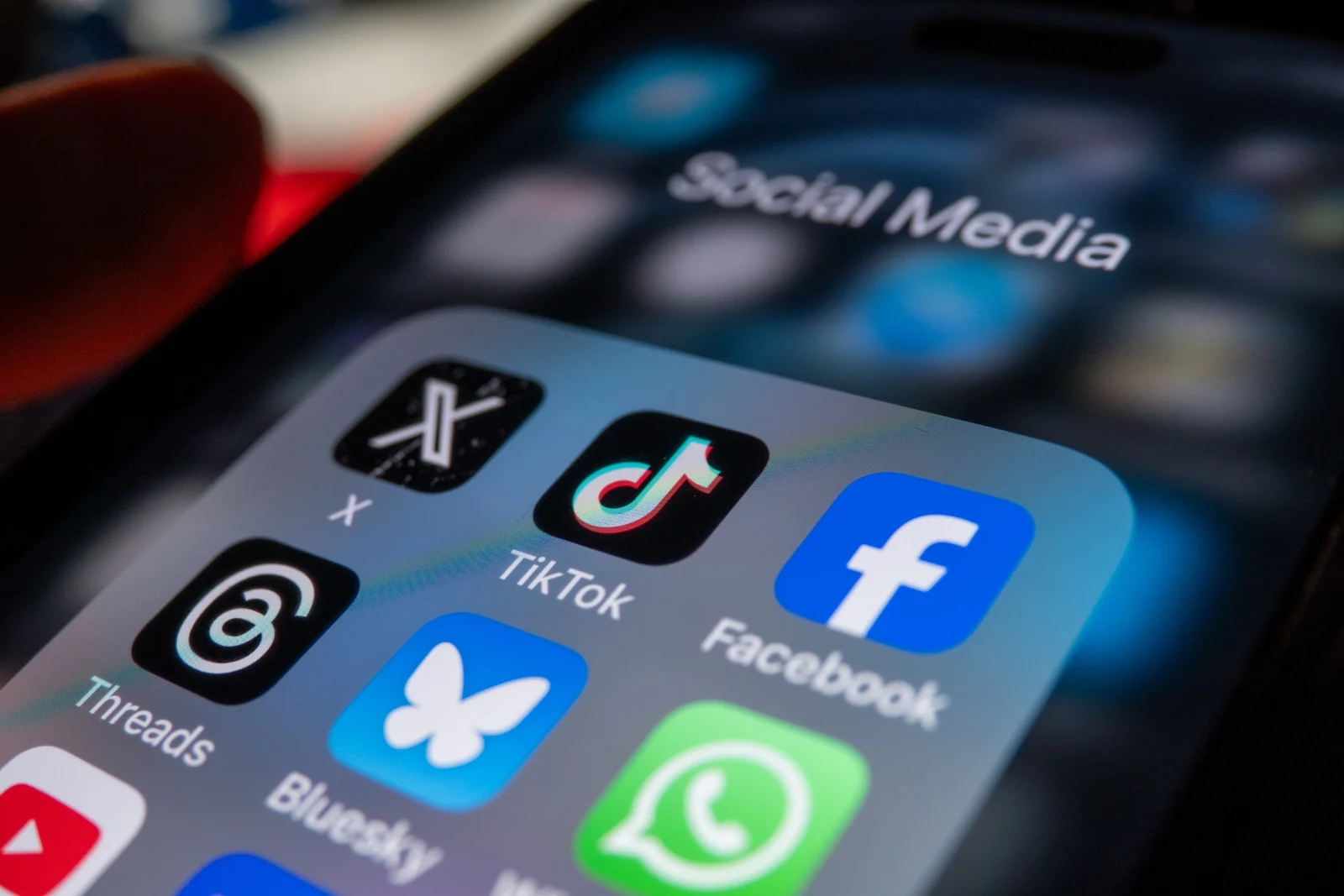
Under the new legislation, Australia is the first nation to bar children under 16 from using major social media platforms. TikTok, YouTube, Instagram and Facebook — among others falling under the law — must block underage users or face fines that can reach A$49.5 million (about €28.2 million) per breach.
Officials estimate roughly one million Australian children will be directly affected. Many posted last-minute goodbyes in the hours before enforcement began; some filmed celebratory dances for the margins of their feeds. Others merely logged out, puzzled about where friendships and creative outlets would migrate next.
Which platforms are named in the legislation
- TikTok
- YouTube
The rulebook is blunt: platforms either block accounts that belong to under-16s or risk hefty penalties. The government argues the move will help reduce exposure to harmful content, addictive design features, cyberbullying and commercial pressures targeted at children.
Inside the Debate: Protecting Kids or Closing Doors?
Not everyone greets the new era with relief. Tech companies have warned of practical and ethical pitfalls: age verification systems can invade privacy, motivated teens can lie about their ages, and the enforcement burden will fall unevenly across platforms. “Policies that look neat on paper tend to get messier when real people have to live with them,” a spokesperson from one large tech firm said. “This will push activity onto smaller apps and encrypted spaces where moderation is weaker.”
Free-speech advocates have been cautious, too. “The risk of overreach is real,” said Dr. Lena Moreno, a digital rights scholar. “We must guard against policies that curtail civic participation or disproportionately penalize marginalised youths who rely on online spaces to find community.”
Conversely, for many parents and child-welfare campaigners the law is overdue. “As a mum, I’ve watched my son scroll himself into late-night anxiety,” said Gabrielle Turner, a parent from Adelaide. “I’m tired of feeling like the digital giants are parenting him better than I can.”
The Science and the Stories
Research over the past decade has built a complicated picture: social media can foster creativity and connection, but it’s also been linked, in numerous studies, to sleep disruption, body-image concerns, and heightened levels of anxiety for some adolescents. The nuance matters: heavy use is not the same as moderate, and platforms that amplify sensational content often do the most harm.
“Platforms are optimized to keep attention, not to nurture developing brains,” explains Dr. Amir Patel, a child psychologist who advises several Australian schools. “For kids whose self-esteem is still forming, constant feedback loops can magnify insecurities.”
Patel points to nighttime scrolling as a particular problem: disrupted sleep correlates strongly with mood disorders. “Even short-term reductions in screen time can improve mood and academic focus,” he adds.
Practical Problems: Verification, Workarounds and Unintended Consequences
How will platforms enforce the ban? The law’s enforcement mechanism is straightforward — a requirement to block under-16s — but the practicalities are thorny. Critics predict a surge in fake accounts, VPNs, and older siblings taking over younger users’ logins. There are also privacy concerns: robust age verification can mean handing over identity documents or data to private companies.
“We could be trading one set of risks for another,” said privacy lawyer Aisha Rahman. “Companies may ask for more personal details to verify age, and that data itself becomes a target.”
Equally, there’s a socioeconomic angle. Young people in isolated communities or remote areas often rely on online spaces for cultural exchange and support; restricting access could deepen digital divides. “In our town, kids use YouTube to learn carpentry and watch AFL highlights,” said Tom Wheeler, a council worker in regional Victoria. “Banning that access without alternatives leaves a hole.”
What Comes Next — and What This Means Globally
For other governments watching, Australia’s move is a test case. Regulators in Europe and North America have wrestled with children’s protection online, but few have taken such a sweeping step. The European Union’s Digital Services Act and other frameworks aim to compel platforms to act on harmful content, while U.S. lawmakers continue to debate targeted reforms. Australia’s law may embolden some and caution others.
Economically, creators and advertisers will feel reverberations. Teen-focused creators may lose a chunk of their audience; brands will need to shift campaigns. “This forces a rethink of how we reach younger audiences — perhaps into more supervised, educational contexts,” suggests media strategist Elena Vos.
Human Moments: Loss, Relief and the Space In Between
In Melbourne, a small group of teenagers gathered in a skate park, their faces lit by late summer sun. Some were defiant. “We’ll just swap apps, or use accounts of friends,” said 15-year-old Jayden. Others were reflective. “I’m kind of glad,” admitted his friend Noor. “I spend so much time watching people live lives that aren’t mine.”
Parents are thinking in practical terms: more family dinners without the ping of notifications, more outdoor time, but also the logistics of supervising offline social lives and extracurriculars. “We want to create new rituals,” said Gabrielle Turner. “But we also need affordable after-school programs and spaces where kids can make friends without a screen between them.”
A Question for the Reader
What do you imagine childhood should look like in the age of ubiquitous connectivity? Is it safer — or more isolating — for children to be shielded from social media? Australia’s experiment forces us to grapple with the trade-offs between protection and autonomy, privacy and oversight.
History will judge whether this moment was a prudent course correction or an overreaching policy. For now, families, schools and tech companies will have to find new ways to help young people grow — online, offline, and in the messy, wonderful space in between.