A $10 billion headline: a courtroom, a broadcaster, and the battle over a few edited seconds
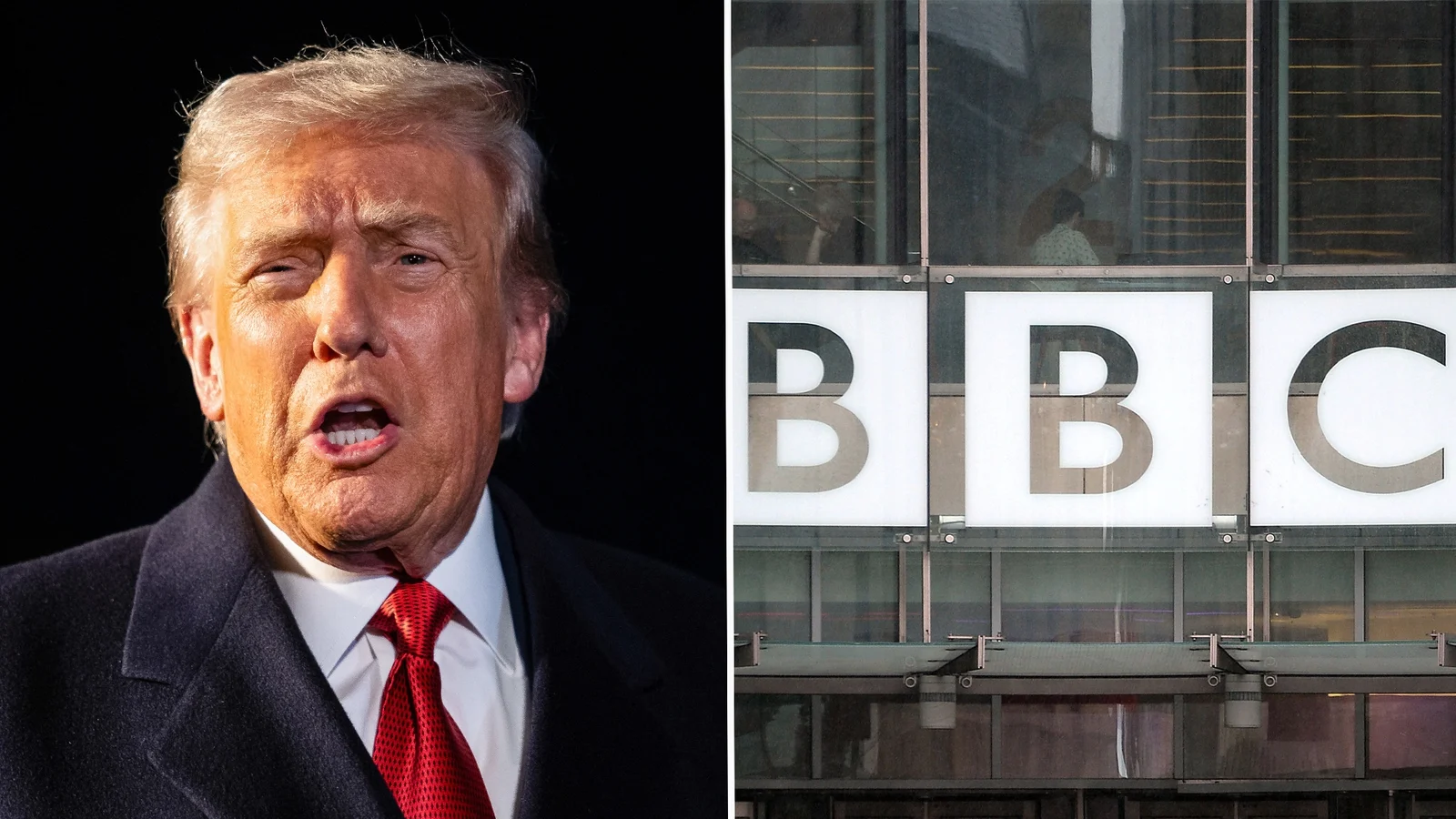
On a humid morning in Miami, a federal courthouse suddenly felt like the stage of another political drama. The plaintiff: Donald J. Trump. The defendant: the British Broadcasting Corporation, the decades-old institution many around the world still call simply “the BBC.” The claim: at least $10 billion in damages, filed after a BBC documentary stitched together clips of Mr. Trump’s 2021 speech in a way his legal team says changed its meaning.
It reads like a plot from a streaming thriller — two billionaires’ worth of lawyers, a leaked internal memo and resignations at the heart of a storied newsroom — but the dispute raises questions that ripple far beyond the parties named in the suit. How do we hold the press to account in an era of hyper-editing and AI? When does robust journalism tip into unfair distortion? And how do libel and free-speech laws in different countries shape where these fights are waged?
What the lawsuit says — and why it went to Miami
Filed in federal court in Miami, the complaint asks a judge to award “not less than $5,000,000,000” on each of two counts: defamation and violation of the Florida Deceptive and Unfair Trade Practices Act — a combined demand of at least $10 billion. According to the papers, the BBC’s Panorama programme aired a documentary last year titled Trump: A Second Chance?, and editors allegedly spliced clips to create the impression that Mr. Trump planned to walk to the U.S. Capitol with supporters during the January 6, 2021 attack.
“They took words out of their context and made a new sentence,” a statement attributed to Trump’s legal team said in court filings, charging the broadcaster with “intentionally, maliciously, and deceptively doctoring” the footage. The complaint also notes a memo from Michael Prescott, a former external adviser to the BBC’s editorial standards committee, which flagged the slicing together of clips last summer — a memo that eventually leaked to a British newspaper and reignited public scrutiny of the episode.
Why Miami? The lawsuit’s placement on U.S. soil is strategic. British defamation law imposes a one-year limitation on claims tied to an individual publication — a timetable that, according to the suit, has already run for the Panorama episode. Filing in the United States also forces the case into a legal environment with robust First Amendment protections; to succeed here, a public figure like Mr. Trump must prove not only falsity but “actual malice” — that the BBC knowingly published falsehoods or showed reckless disregard for the truth.
Lawyers, standards and the high bar of “actual malice”
Legal scholars watching the complaint point out the steep climb for any plaintiff. “In U.S. defamation law, especially after New York Times Co. v. Sullivan, the standard for public figures is extremely protective of speech,” said a media law professor who asked to be described simply as an independent analyst. “You have to show the broadcaster knew it was lying or was reckless — mere sloppiness usually isn’t enough.”
The BBC, for its part, has denied the allegations of legal defamation. The broadcaster’s chairman, Samir Shah, has written a letter of apology acknowledging the editorial mistake and telling Mr. Trump as much. Still, BBC officials insist the program’s key claims are substantially true and that any editing choices did not create a false impression. The corporation could also argue the documentary’s context and intent were to illuminate, not assassinate, a reputation.
What a win would require
To prevail, Mr. Trump’s legal team would have to satisfy the court that the edits materially changed the meaning of the speech and that the BBC either knew the clips were misleading or acted with reckless disregard for the truth. “Disentangling editorial decisions from actionable falsehood is notoriously difficult,” the media law professor added.
Inside the BBC: resignations, apologies and newsroom unease
The fallout inside the BBC was swift and public. The controversy precipitated the resignations of director-general Tim Davie and Deborah Turness, the head of news — departures that left staffers, viewers and government officials debating where accountability should land for perceived editorial failures.
“There’s a real sense of collective embarrassment,” said one BBC staffer who asked to remain anonymous. “People are upset, not just because of the headlines, but because the standards we rely on to justify public funding were questioned on the world stage.”
British politicians were split in their reactions. A government minister suggested the BBC had been right to apologise but also urged the corporation to defend its journalism from legal attack. Across the Atlantic, the lawsuit has been welcomed by those who believe legacy outlets harbor bias; others fear the move is another chapter in the broader campaign to sue and intimidate journalists.
Beyond the headlines: why this matters globally
This dispute is not merely about one clip or one documentary. It sits at the intersection of trust in institutions, the weaponization of litigation, and the dizzying speed at which media can be edited, amplified and weaponized in political wars. In recent years, high-profile figures have taken legal action against newspapers and broadcasters around the world — sometimes winning settlement dollars, sometimes losing in court. The Trump-BBC case is the latest and perhaps boldest example of how litigation is being used as a tool of political combat.
There’s also a technological angle. Mr. Trump has publicly suggested the possibility that artificial intelligence might have been used to alter his speech — a claim that taps into deep-seated anxieties. While there’s no public evidence that AI created the contested edit, the very invocation of that possibility underscores an uncomfortable truth: modern editing tools make it easier than ever to reshape reality in ways that audiences may not detect.
Questions for readers—and for democracy
What do you expect of journalists when reporting on powerful public figures? Is an apology and an internal shake-up enough, or should broadcasters face heavier penalties when mistakes are made? How should courts balance protecting reputations with preserving vigorous public debate?
Globally, the case asks us to confront a trade-off. Robust, often messy journalism is essential to holding power to account. Yet journalism that slips into distortion corrodes the very trust that makes it effective. Legal systems can offer remedies for harm — but when litigation becomes a political weapon, what gets lost in the clamour is a quieter civic task: rebuilding audiences’ confidence in shared facts.
Closing scene: the long shadow of a few seconds
In the weeks and months ahead, lawyers will parse frame rates and editorial logs while commentators spin theories about motive and bias. But for anyone who watched the television footage that day on the Capitol steps, the episode is a reminder: a matter of seconds on a timeline can change how millions remember a moment. The stakes — reputational, political and financial — are enormous.
Ultimately, this is a story about trust. Trust in media, trust in institutions, trust in law. It is also an invitation: to think critically about the media we consume, to ask how we hold powerful organizations to account, and to decide what kind of public square we want. Do we want a press that can be rough and relentless, or a press so cautious it stops showing the grit of reality? The courtroom in Miami will try to settle a legal question. But the cultural reckoning it has reopened is one we all have a hand in resolving.