A Quiet Street in Brentwood, a Family in Ruins: The Reiner Tragedy and the Questions It Leaves
On a sun-stung cul-de-sac in Brentwood, where palm trees lift like slow, polite sentries over manicured lawns, an ordinary Los Angeles Sunday turned brutally, bewilderingly not ordinary.
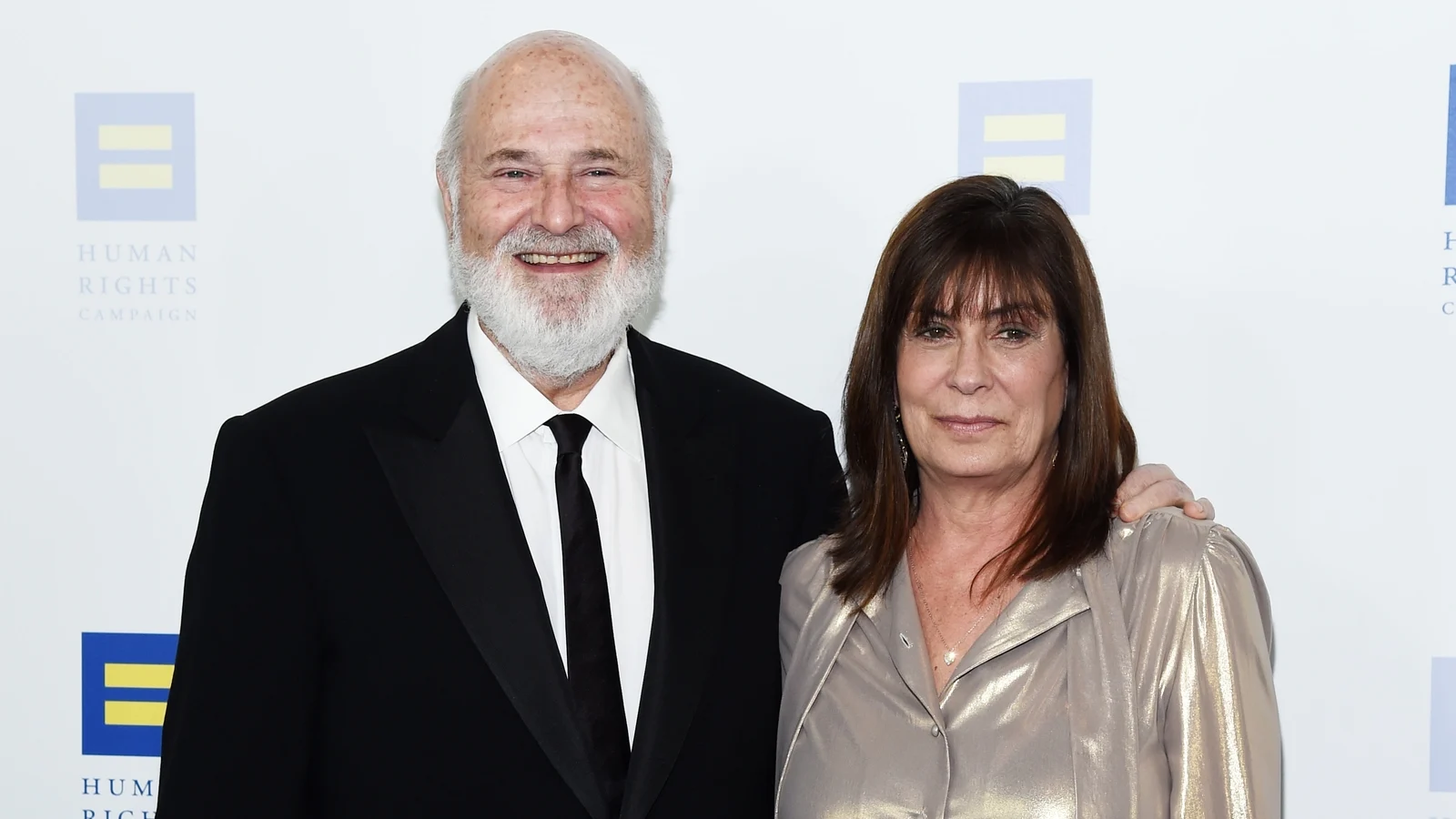
Neighbors say the house where Rob and Michele Reiner lived felt, until this week, like a pocket of old Hollywood calm — a place of laughter and dinner guests and the gentle traffic of a life lived partly in public and mostly at home. On Sunday morning that calm was ruptured. The couple, 78 and 70, were found dead in their home. Their son, 32-year-old Nick Reiner, has been booked on two counts of first-degree murder. The Los Angeles County medical examiner’s office has ruled the manner of death “homicide” and listed the cause as multiple sharp force injuries, saying more investigation is needed before more details are released.
What we know — and what we mustn’t rush to decide
Nick Reiner’s brief court appearance this week was a study in contrasts: soft voice, blue protective vest, a single response — “Yes, your honor” — when asked to confirm the date of his next hearing, scheduled for 7 January. He has not entered a plea, and his attorney told the court he missed an earlier hearing because of unspecified health reasons. For now, the charges stand; a man is accused but not convicted.
“We are heartbroken and bewildered,” a quiet statement from Nick’s siblings, Jake and Romy, read. “Words cannot even begin to describe the unimaginable pain we are experiencing every moment of the day.” They asked for privacy — a request that, given the family’s profile, will be impossible to fully honor.
At a press conference, Los Angeles District Attorney Nathan Hochman said no decision had been made on whether the prosecution would seek the death penalty. That word — death penalty — hung in the air like a second wound: part legal calculus, part moral reckoning in a nation that still cannot agree on how to punish its most serious crimes.
Neighbors, friends and the public reaction
Outside the home, a neighbor who asked not to be named told me, “I saw the lights, the commotion. It’s Brentwood — everyone keeps to themselves, but everyone knows each other enough to be shaken when something like this happens.” Another long-time resident, Mary Alvarez, added, “They were always the couple hosting birthdays, political dinners. It’s unreal. You look at the house — the porch lights, the gate — and you think about what family is supposed to be, and this doesn’t fit.”
Friends from the entertainment world issued moving tributes. The tone was consistent: disbelief, gratitude and grief. “Rob was a force — creative, generous, principled,” said a fellow filmmaker in a short statement. “Michele was his anchor. I can’t fathom the hole this leaves.”
The shadow of addiction and a son’s troubled past
The story of the Reiner family is not only a story of celebrity and sudden loss. It’s also threaded with very human struggle. Nick worked with his father on the 2016 film Being Charlie, a drama Rob directed and which Nick co-wrote. The film drew on Nick’s own history with addiction and rehab, chronicling a young man’s attempts to claw his way back from substance dependency.
In interviews years ago, Nick spoke candidly about time spent in rehab, nights on the streets, and what recovery felt like in the hard light of day. Those admissions, and the film they inspired, connected to a larger American narrative: addiction is common and persistent. According to the National Institute on Drug Abuse, relapse rates for substance use disorders can be as high as 40–60% — similar to other chronic medical conditions like asthma or hypertension — underscoring how complex and recurring the condition can be.
“Addiction doesn’t happen in a vacuum,” said Dr. Leila Morgan, a clinical psychologist specializing in trauma and substance use. “There are family dynamics, histories of mental health, access to care, and often shame that prevents honest intervention. Tragedies like this force us to look harder at how we support — or fail to support — people who are struggling.”
Legal questions, public grief, and the broader backdrop
As investigators comb through forensic details and prosecutors weigh charges, the case touches on broader themes that ripple beyond one household: how our justice system deals with alleged familial homicide, how communities react to loss, and how the public consumes grief when the victims are famous.
There are roughly tens of thousands of homicides in the United States each year, and the rate has been a focal point of policy and cultural debates for decades. Local crimes that once might have been contained now echo across social media timelines, talk shows and editorial pages — magnified by fame.
“There’s always a voyeuristic element when celebrities are involved,” said Jana Patel, a criminologist who studies media and crime. “That complicates the families’ ability to grieve privately and can sometimes distort the public’s understanding of the underlying issues: mental health, addiction, familial conflict, or other factors that contribute to these tragedies.”
Remembering Rob and Michele — the human center of a public story
Rob Reiner was known for films that have become woven into American culture — from the satirical This Is Spinal Tap to the courtroom thunder of A Few Good Men to the tender, enduring When Harry Met Sally and the fairy-tale warmth of The Princess Bride. Michele Reiner was often described by friends and colleagues as the steady, luminous partner who kept the household and the heart of their life steady.
“They believed in laughter, in love and in each other,” said a longtime friend. “That’s what makes this so hard to accept.”
In the days after the deaths, tributes poured in: simple remembrances of kindness, of political engagement and of creative generosity. Those notes paint a portrait of a couple who loved fiercely and worked tirelessly, both in public life and in the quiet rooms of family.
Questions for the reader — and for ourselves
How do we balance the public’s right to know with a family’s right to mourn? How do we talk honestly about addiction and mental health without reducing people to their worst moments? And how do communities — especially those with visible wealth and prestige — reckon with violence that arrives at their door?
In the coming weeks, more details will emerge. The medical examiner has released the bodies to the family, and an arraignment is set for January. The legal process will unfold in its own cadence, buffered by lawyers and judges, evidence and procedure. But the private work of grieving has already begun for a family whose losses are seared into public memory.
For now, the street is quiet again, but the question lingers: what happens next for a family whose life became both a film script and a public tragedy? The answer will take time, care and the kind of solemn attention that lets truth — and perhaps, someday, healing — come into the light.