In Warsaw’s winter light: a meeting that smells of history and urgency
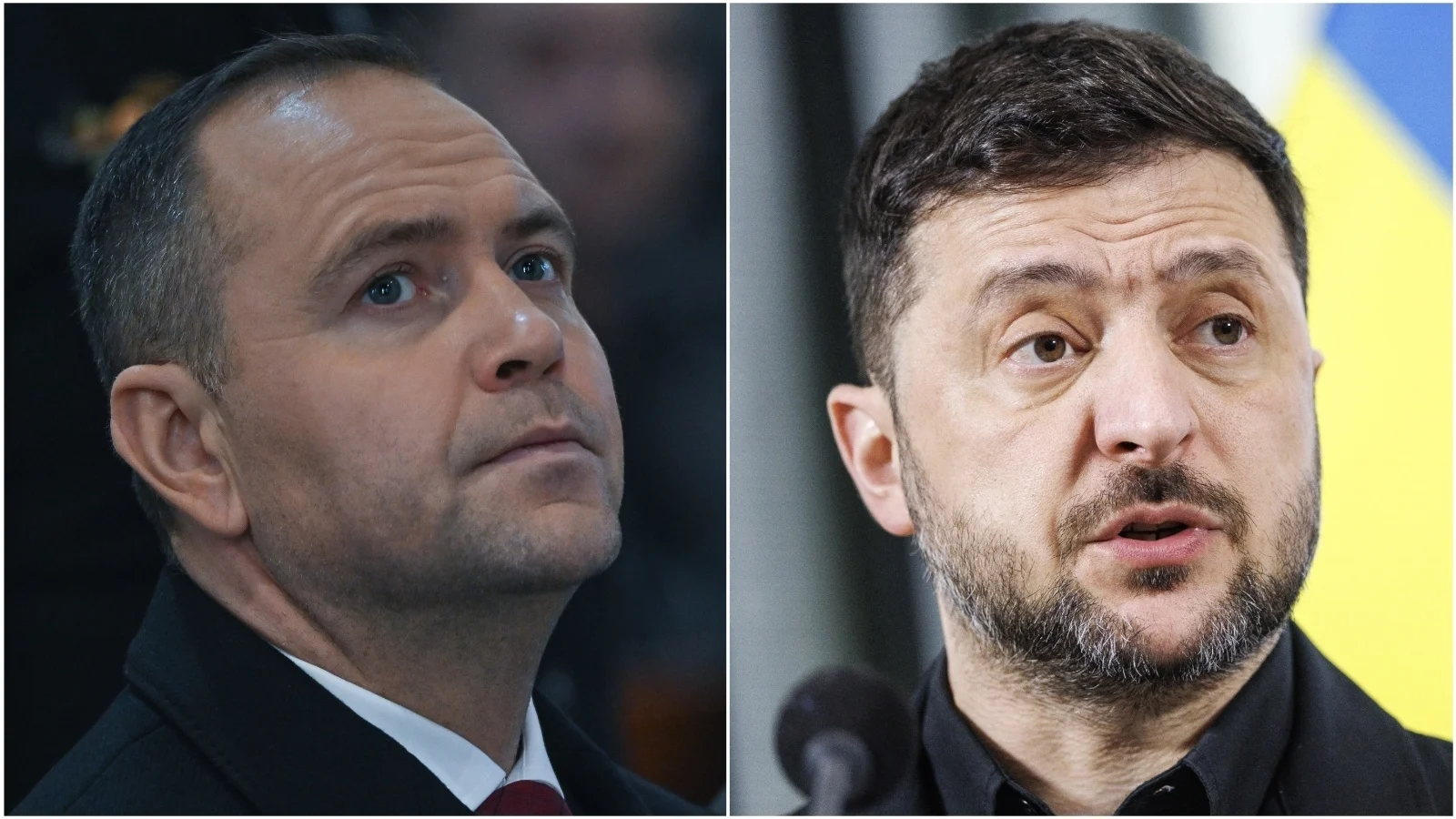
It was the kind of crisp morning in Warsaw that makes the city seem older than the sum of its stones — the Vistula moving slow and grey, tram bells punctuating the cold, and the smell of strong coffee drifting from street kiosks. Into that scene stepped Volodymyr Zelensky, a leader who for nearly three years has been cast in the acute drama of his nation’s survival. He had come to see Poland’s newly sworn president, Karol Nawrocki, not as a ceremonial courtesy but as part of a fragile, complicated conversation about war, memory, and Europe’s future.
“We are not asking for charity,” a close aide to Zelensky told me as the delegation arrived. “We are asking for a partner capable of holding the line with us.” The line, in this case, is literal and figurative — the frontlines in Ukraine, and the fragile frontiers of European unity in a year that has already tested alliances.
What’s on the table: security, money, and the ghosts of the past
The talks in Warsaw were scheduled to cover three heavy themes: European security, the latest push to end the war in Ukraine, and an undeniably sensitive chapter of shared history. The timing was no accident. Zelensky had flown from Brussels, where he spent a consequential day lobbying EU leaders to convert frozen Russian assets into direct support for Ukraine’s budget and defense over the next two years.
Those appeals yielded a different result than he sought. Rather than tapping frozen assets, EU leaders agreed in the early hours to raise a €90 billion loan facility intended to back Kyiv at a time when its ledger looks perilous: officials estimate Ukraine faces a budget gap of around €38 billion next year.
“Loans are important,” said a European diplomat familiar with the deliberations, “but they are not the same as grants or assets that could be freed immediately. Loans add pressure on a state already under siege.”
Numbers that matter
- Poland’s reported material and humanitarian assistance to Ukraine exceeds €25 billion, according to Polish government figures released in October.
- Polish military support is valued at over €4 billion since the full-scale invasion began in February 2022.
- Civil society and grassroots contributions from Poland are estimated at an additional €5 billion.
- There are more than 1.5 million Ukrainians living in Poland today, roughly 1 million of them classified as war refugees.
Those are impressive numbers, but they do not erase the strains. A recent poll showed many Polish citizens worried about the cost and social impact of refugee support — half of respondents thought benefit payments to Ukrainians were too high, while 58% agreed that Ukrainians who work and pay taxes should access healthcare and child benefits. These ambivalences are the social backdrop to the state-to-state choreography unfolding in Warsaw.
Between diplomacy and domestic politics: Nawrocki’s guarded welcome
Karol Nawrocki, a conservative historian known for his nationalist leanings and controversial appetite for revisiting painful episodes of the 20th century, received Zelensky with a posture that mixed support for Ukraine’s independence and a firm insistence on redressing old wounds. “Poland will not abandon Ukraine,” Nawrocki told a Polish outlet in recent days, “but friendship must be built on mutual respect and historical clarity.”
“Mutual respect” here has real-world implications — demands for the exhumation and identification of Poles killed in the Volhynia massacres of 1943–45, a dark episode in which historians estimate up to 100,000 ethnic Poles were murdered in areas that are now western Ukraine. Nawrocki has said these “historical issues” will be discussed in his talks with Zelensky. For many Poles, these are not abstractions but family traces: names on memorial plaques, vanished villages, graves without markers.
“My grandmother told me stories about Volhynia until the day she died,” said Anna Kowalczyk, a retired teacher from Lublin who came to the parliament precinct to watch the motorcade. “We want truth. But we also want peace. Can you have both?”
Scenes from the city: refugees, cafes, and quiet resilience
On a café terrace not far from the Sejm, the lower house of parliament, a Ukrainian couple sat with a sleeping toddler. He works in construction; she teaches English online. They arrived in 2022 and speak with the calm pragmatism of people who have learned the language of persistence. “Poland opened its doors when it mattered,” the man said. “But life goes on — bills, school, the future. We need long-term plans, not just emergency aid.”
A street vendor near the parliament, a man named Piotr who has sold sausages there for thirty years, shrugged when I asked how he viewed the political theater. “We helped, we still help,” he said. “But every shopkeeper worries about tomorrow. You can be proud and frightened at the same time.”
What the meeting could mean for Europe
At its most optimistic, the Warsaw talks could stitch tighter the seams of an uneasy alliance: Poland’s material and societal support, combined with EU and NATO backing, shapes the resistance Ukraine mounts against a far larger adversary. Yet cracks are visible. Nawrocki opposes a fast-track route to EU membership for Ukraine and has voiced reservations about future NATO accession — positions that diverge from the Polish government’s formal stance and complicate Kyiv’s long-range strategic planning.
“This meeting is a reminder that solidarity is not a single, steady current,” said Dr. Natalia Szymanska, a central European historian at the University of Warsaw. “It is a stream that can change direction depending on memory politics, domestic pressures, and geopolitical fatigue. How Poland and Ukraine navigate historical reckoning while coordinating defense policy will be watched across the continent.”
Questions to sit with
- Can countries reconcile painful historical memories without letting those memories undermine urgent strategic partnerships?
- Are loans sufficient to sustain a country at war, or does Europe need bolder fiscal imagination?
- How will host societies integrate refugees in ways that balance fairness with social cohesion?
Those questions are not meant to be rhetorical. They are, quite literally, matters of policy and human survival — and they will shape the contours of Europe for years to come.
Where things go from here
Later in the afternoon, Zelensky was expected to meet the speakers of both houses of the Polish parliament and perhaps Prime Minister Donald Tusk. Whether he will address parliament from the rostrum is uncertain. What is certain is that when leaders talk about budgets, borders, and histories, people are listening in kitchens and classrooms and on long commutes.
As the sun slid toward early evening and the city lights blinked on, a small group of young Ukrainians gathered near the embassy, holding candles and hand-painted signs. “For our brothers,” one read in Polish and Ukrainian. “For our future,” another declared. The scene was quiet but eloquent: an intimate reminder that behind the numbers and high-stakes diplomacy are ordinary lives — lives that, for now, depend on decisions made in rooms like the ones Zelensky and Nawrocki entered in Warsaw.
So ask yourself, reader: what kind of Europe do you want to live in — one that looks inward, guarding its histories like closed chests, or one that finds ways to reconcile memory with solidarity and builds institutions capable of sustaining both justice and peace? The answers are being negotiated now, in cold halls and warm kitchens alike.