Black Bars, Blurred Faces: What the Latest Epstein Release Actually Tells Us
It arrived in the deadpan language of bureaucracy: thousands of pages, “heavily redacted,” a legal compulsion to publish more of the files tied to Jeffrey Epstein. But what the Justice Department unveiled this week was less a dump of evidence than a theatrical act of omission—photos of familiar faces with large portions blacked out, long swathes of text turned to opaque rectangles, and a political sting that landed more on one former president than another.
If you were hoping the release would finally draw clean lines through a tangled web of abuse, commerce and privilege, you were likely disappointed. If you were watching for how the story bends American politics and public trust, you got a vivid demonstration of how scandals never die quietly; they get rerouted into the machinery of power.
What was actually released?
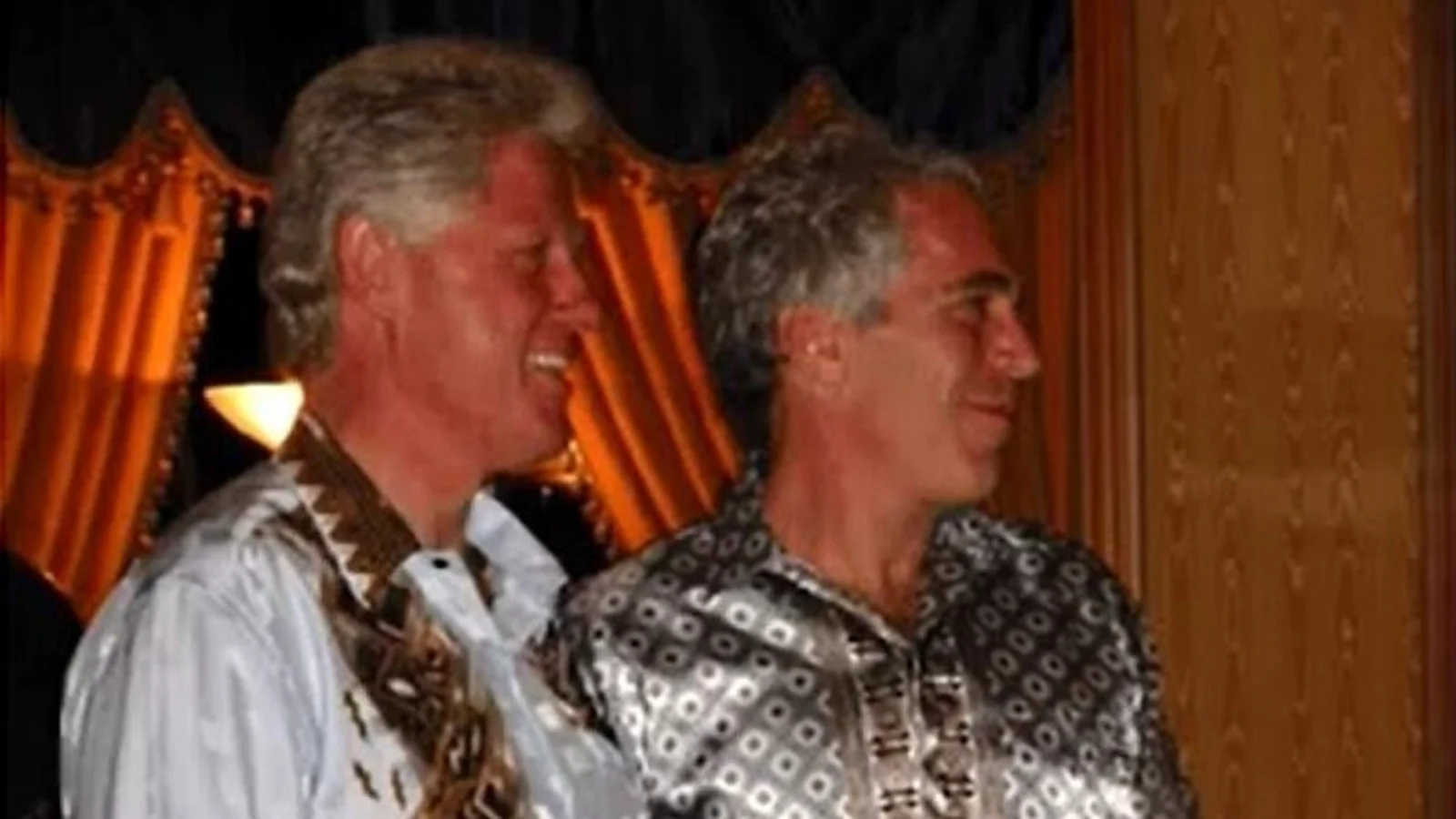
The packet included material from several investigations into Epstein’s network: photos, flight logs, documents previously held under seal, and a lot of pages that were essentially unreadable because of redaction. Among the images posted by Justice Department spokespeople were pictures that they said showed former president Bill Clinton in social contexts tied to Epstein; other images included public figures such as Michael Jackson, Diana Ross and Mick Jagger.
But perhaps the most conspicuous absence in this release was a near lack of references to Donald Trump—an oddity given that Trump’s name has appeared in prior troves, including flight manifests and earlier records of social visits from the 1990s and 2000s.
“We’re complying with a congressional mandate to make these records available,” a Justice Department official told me, requesting anonymity because of the sensitivity of ongoing reviews. “But there are statutory limits: victim privacy and active investigations still constrain what we can publish.”
- More than 1,200 victims or relatives reportedly had their names redacted.
- Many documents were completely blacked out—some runs of 100 pages or more with no readable content.
- The department acknowledged it is still examining “hundreds of thousands” of additional pages.
Why the Trump absence matters
Context is everything. For years Epstein’s files have been a source of speculation, rumor, and political ammunition—fodder for dark theories as much as legitimate inquiry. Pictures, flight manifests and email threads that surfaced after Epstein’s 2019 death have linked him to a constellation of powerful people. The lack of substantive mention of Trump in this latest batch prompts questions about selection, prioritization and influence.
“When an administration chooses what to release, it’s not just about transparency—it’s about framing,” said Dr. Mira Patel, a scholar of public ethics at a Washington policy institute. “What’s left out shapes public perception as much as what’s published.”
Some observers see fingerprints of political strategy. Last month, the president asked the Justice Department to examine Bill Clinton’s ties to Epstein—an order critics argued was aimed less at seeking truth than at deflecting attention away from Trump’s own past relationship with Epstein. Whether that order influenced the content or prominence of certain images is the kind of question that breeds cynical headlines and deep distrust.
Voices at the edges: victims, voters and victims’ advocates
Beyond the claims and counters, there are people still living with the fallout. In Palm Beach, where Epstein once cultivated a social life among the rich and powerful, survivors and advocates reacted with weary frustration.
“We’ve been waiting for years for clarity,” said Ana, a survivors’ advocate who asked that her full name not be used. “Every release that feels like theater retraumatizes people. Redact us into silence, and the abuse continues to be invisible.”
A recent Reuters/Ipsos poll underscored the political fragility of the moment: among American adults who identify as Republicans, only 44% approved of how the president has handled Epstein-related questions—starkly lower than the roughly 82% approval he enjoys on other issues. Those numbers hint at a fracture in a once-solid constituency, a reminder that scandal can be as corrosive to political coalitions as it is to reputations.
From the courtroom to the bank vault
The financial aftershocks have been real and costly. In 2023, JPMorgan settled claims with some of Epstein’s victims for roughly $290 million, admitting no wrongdoing but acknowledging the grave implications of having retained him as a client years after his 2008 conviction.
“This is a system failure,” said a former federal prosecutor who worked on trafficking cases. “Banks, lawyers, gatekeepers—they all have a role. Money didn’t just lubricate Epstein’s lifestyle; it insulated him for a long time.”
The politics of release and redaction
Lawmakers demanded the files be opened after years of sealed records and stalled investigations. The statute required the Justice Department to share information about how it handled the Epstein probes. Yet critics were quick to say the agency’s roll-out was a half-measure.
“This is a fraction of the whole body of evidence,” said one Democratic Senate leader in response to the release, echoing a widespread sentiment that much remains hidden.
Republicans who pushed for the disclosure also voiced frustration. “The release grossly fails to comply with both the spirit and the letter of the law,” said a conservative congressman who sponsored the disclosure legislation, reflecting bipartisan impatience with both the pace and the completeness of the disclosures.
Why this still matters beyond partisan headlines
It’s tempting to read these files purely as political theater, each reveal a proxy battle in the culture wars. But there’s a deeper, messier story here about accountability, institutional failure, and the long shadow of abuse.
What does it say about a society when victims must fight for recognition in courtrooms and in the court of public opinion? What does it say when names are hidden, not to protect perpetrators, but ostensibly to protect victims—yet the redactions prevent the public from seeing patterns that could spur meaningful reform?
“Transparency without context is performative,” said Dr. Patel. “If your goal is justice, then records should illuminate connections, timelines and institutional choices—not just scatter images across social feeds.”
What comes next?
The Justice Department has promised more reviews and more releases. Congress will continue to pry. Survivors will keep pushing for legal remedies and recognition. And the public, increasingly skeptical about what it’s told by institutions, will keep demanding better answers.
So where does that leave you, the reader? Perhaps you feel fatigue. Perhaps outrage. Or perhaps you’re left considering how we, as a global community, handle the intersection of wealth, power and harm. Will we let opaque pages and black bars become the symbol of our impotence? Or will the next round of disclosures—and the civic pressure that follows—produce not just more documents, but more accountability?
One thing is clear: these documents were never just paper. They are a mirror. How we look into it—and what we decide to do next—may tell the most important story of all.