Why a Little Pill Has Turned Into a Big Story
There’s a certain ordinary intimacy to the image: a small amber bottle on a bedside table, a hand reaching for the cap, a tablet swallowed with coffee. We all do it—take a pill in the hope that something so modest can steady a life. But when that hand belongs to the president, the routine becomes a headline, a policy question and, for many, a Rorschach test of fitness and fragility.
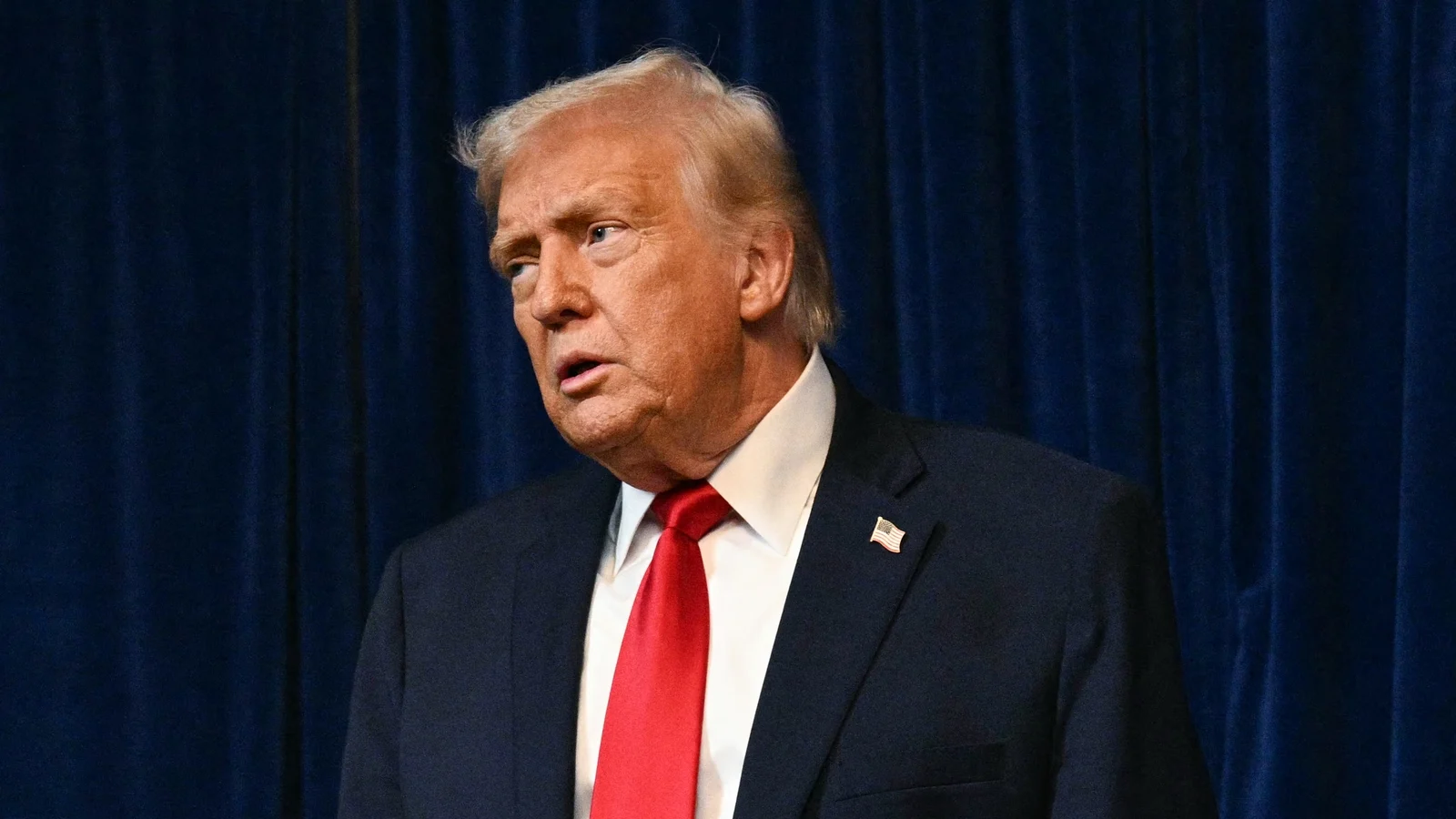
In a recent interview, President Donald Trump said he takes 325 milligrams of aspirin every day—four times the common “low dose” used for heart prevention—because “they say aspirin is good for thinning out the blood,” and he wants “nice, thin blood pouring through my heart.” The revelation, casual in tone, has sent a flurry of reactions through medical circles, newsrooms and living rooms from Washington to Wellington.
“It’s a reminder that what a leader does in private—how he cares for his body—can ripple outward,” said Ana Morales, a nurse who has worked at a community clinic in Northwest Washington for more than a decade. “People hear it and think, maybe I should do what he does. That scares me, because aspirin isn’t harmless.”
The Basics: Dose, Risks, and What Experts Actually Recommend
Aspirin’s cardiovascular benefits are well-known; for some people it reduces the risk of heart attack or ischemic stroke by preventing clots. But the modern consensus is more nuanced than “aspirin-for-all.” Low-dose aspirin is commonly 81 mg. The president’s reported 325 mg is the standard adult tablet and carries a higher bleeding risk.
Medical authorities have shifted in recent years. The U.S. Preventive Services Task Force (USPSTF) updated guidance in 2022 to recommend against starting low-dose aspirin for primary prevention in adults aged 60 and older because the bleeding risks often outweigh the benefits for people without a history of cardiovascular disease. For secondary prevention—people who have already had a heart attack or stroke—aspirin remains a mainstay.
“Aspirin can be lifesaving in the right context,” said Dr. Mara Singh, a cardiologist at a major hospital in Baltimore. “But it’s not a benign supplement. Daily aspirin at 325 mg can increase the likelihood of gastrointestinal bleeding and, in some cases, hemorrhagic stroke. Decisions should be individualized—age, bleeding history, other medications, and the person’s risk profile all matter.”
Numbers that Matter
To ground this: cardiovascular disease is the world’s leading cause of death, responsible for roughly 17.9 million deaths each year, according to the World Health Organization. Meanwhile, major bleeding events related to aspirin use are not rare—studies show that aspirin increases the risk of major gastrointestinal bleeding and hemorrhagic stroke, especially in older adults and those taking blood-thinning medications.
Scans, Bruises, and a President’s Public Persona
Beyond the pill bottle, other health details have kept the president’s physical state under scrutiny: visible bruises on his hands, a reported imaging exam in October, and a few public moments that looked like dozing. The White House has pushed back with easy explanations—an MRI was actually a CT scan, the bruises are from “shaking so many hands,” the imaging was preventive and showed no concerning signs, according to the president’s physician.
“A CT scan gives us a quick look at blood vessels and structures. It can be reassuring,” explained Dr. James Carter, a geriatric medicine specialist. “But imaging is just one snapshot. The real question is functional status—how someone performs day-to-day.”
That tension between image and function plays out on the campaign trail and in the Oval Office. For supporters, a leader who insists on his own, idiosyncratic medical regimen can appear robust or unapologetically independent. For skeptics, it raises red flags about judgment, transparency, and whether personal choices are being made with appropriate medical counsel.
Voices From the Street
On the sidewalks near the White House, reactions are as varied as the crowd that passes every day. “If he wants to take aspirin, that’s his business,” shrugged Malik Thompson, a cabdriver who’s clocked thousands of miles ferrying tourists around the capital. “But why not tell the truth? People deserve to know.”
Elena Rivera, a 68-year-old retired schoolteacher, was firmer. “My doctor told me not to start aspirin when I turned 65,” she said. “When public figures share their health choices, they influence others. That’s a big responsibility.”
Why This Matters Beyond One Man
There’s a broader conversation here: about medicine, authority and how society treats aging leaders. Around the world, voters are watching older candidates and insisting on more than a perfunctory line from the physician’s office. They want transparency—daily medications, test results, and perhaps most of all, clarity about decision-making capacity in times of crisis.
“This isn’t just about aspirin,” said Dr. Singh. “It’s about how we balance privacy with public interest when someone is in an office that carries enormous power. It’s about trust.”
Quick Facts to Keep in Mind
- Low-dose aspirin: typically 81 mg.
- Standard adult tablet: 325 mg—often used for pain relief rather than daily prevention.
- Guidelines: USPSTF recommends against starting aspirin for primary prevention in adults 60 and older.
- Risks: increased chance of gastrointestinal bleeding and hemorrhagic stroke, especially in older adults.
- Global context: cardiovascular disease causes about 17.9 million deaths annually (WHO).
What Should Readers Take Away?
Part of the reason this small medical detail captured headlines is that it sits at a crossroads: private habit meets public consequence. Whether you’re a voter, a caregiver, or someone with a family history of heart disease, this moment invites questions. How much should leaders disclose about their health? When does a medication choice become a national story? What does transparency look like in an era when facts and impressions travel at the speed of a tweet?
And for the rest of us, there’s a simpler, more immediate question: before you reach for an aspirin bottle because someone famous does, have you asked your own doctor? “People often assume over-the-counter equals safe,” Dr. Carter said. “It isn’t that simple. Your story and your risks are unique.”
In the end, the amber bottle on the table keeps telling us something about our times: that small acts can be magnified, that health is public when power is private, and that the ordinary rituals of self-care—pills, scans, explanations—are as political as they are personal. What will you ask your doctor the next time you open a medicine cabinet?