A New Morning in Bangladesh: Hopes, Hymns and the Heavy Footsteps of History
Before dawn in a quiet neighbourhood of Dhaka, shopkeepers rolled up corrugated shutters, tea-stall owners lit small stoves and the call to prayer threaded through the narrow lanes. Yet the city you think you know felt different — more taut, more watchful. Armoured vehicles glinted under sodium streetlights and uniformed patrols walked the pavements with a kind of ceremonial calm. For many, today was the day the country would try to breathe again.
This was not the first time Bangladeshi voters had gone to the polls. But these elections — the first since the convulsive uprising of 2024 that toppled the long-ruling party and sent shockwaves across South Asia — carried the weight of a nation asking itself whether it could remake its politics without sliding back into the old order.
Television Projections and the Numbers That Mattered
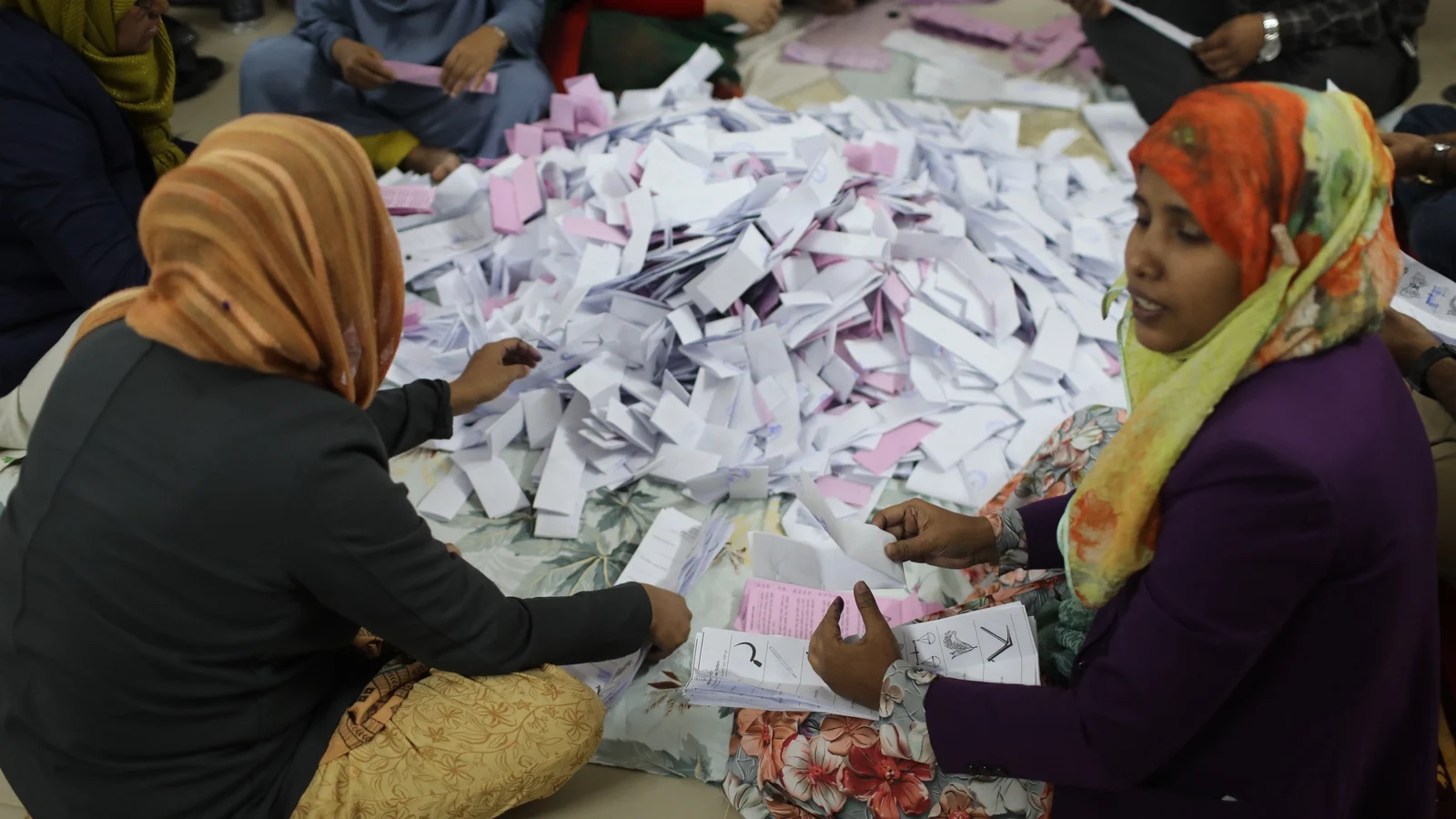
By evening, private broadcasters were painting a clear picture: the Bangladesh Nationalist Party, aligned with Tarique Rahman, looked set for a sweeping parliamentary majority. Jamuna and Somoy TV were projecting roughly 197 seats for the BNP — well past the 150-seat mark that signals an outright majority in the 300-seat parliament. An Islamist-led coalition, fronted by Jamaat-e-Islami, was shown with about 63 seats, a dramatic rise from previous elections but short of the dominant position it had sought.
These totals are broadcasters’ projections, not the Election Commission’s final word. Counting continued across 299 of the 300 constituencies where voting took place; one seat had complications on the day. A further 50 seats reserved for women will be filled from party lists, a mechanism designed to boost female representation in a country of roughly 170 million people.
“We’ve crossed every barometer in our internal counting,” said a senior election official for the BNP, speaking in a reverent, cautious tone. “But we have told the public to thank God in prayer rather than take to the streets.”
On the Ground: Voices, Sights and Small Acts of Courage
At a primary school that served as a polling station in the suburb of Mirpur, an elderly woman named Fatima Ali clutched her ballot and smiled with a mixture of exhaustion and relief. “I stood in line with my neighbour at sunrise,” she said. “This country has given me years of hardship and years of joy. I want my children to live in a place where different opinions are accepted.”
Nearby, a rickshaw driver wiped his hands on his lungi and offered a different calculus. “Security was heavy, and that makes people nervous,” he said. “But at least my family can sleep tonight knowing no one is burning tyres in the street.”
Campaigning had not been without blood. Police records from the run-up show five people killed and more than 600 injured in political clashes — figures that underline a bitterly polarized landscape. UN human rights experts warned before the vote of “growing intolerance, threats and attacks” and flagged a “tsunami of disinformation” that had swamped social media with competing narratives and conspiracy.
The Interim Steward and the Shadow of Exile
Since August 2024, Muhammad Yunus — the Nobel Peace Prize laureate famed for his microfinance work — has served as interim leader after the ouster of Sheikh Hasina. Yunus, who has advanced a sweeping democratic reform charter, urged restraint and unity as results began to arrive.
“We may disagree on the path,” he told a small press gathering after voting, “but we must never allow disagreement to become an excuse for violence.” With that, he pledged to hand over power to a legitimately elected government, emphasizing stability over spectacle.
Sheikh Hasina, meanwhile, condemned the election from hiding in India after being sentenced in absentia on charges related to crimes against humanity — a sentence she and her supporters call politically motivated. Her party, the Awami League, was barred from contesting these polls, a decision that continues to generate debate both inside Bangladesh and among international observers.
What Was on the Ballot — Beyond Candidates
Voters were not only choosing MPs. On the same day, Bangladeshis were asked to vote in a referendum on a sweeping constitutional reform charter drafted by Yunus’ interim government. If enacted, the package would impose prime ministerial term limits, create a new upper house of parliament, strengthen presidential powers and enshrine greater judicial independence.
Television outlets projected that the charter received broad support from the electorate, though the Election Commission had yet to publish official tallies at the time of writing. The reforms are pitched as a fix for a political system Yunus described as “broken and vulnerable to dominance by one party.” Supporters say the changes will build checks and balances; critics fear they could be used to concentrate power in new ways.
Reflections from Experts and Everyday People
“This election is a hinge moment,” said a political scientist at a Dhaka university. “If the new parliament respects pluralism and the charter’s safeguards actually work, Bangladesh could reset its democracy. If not, the cycle of exclusion and protest will continue.”
A teacher in Chittagong added, “We want governance that delivers water, roads and schools more than slogans. The challenge is whether politicos can move from rhetoric to concrete reform.”
There is also the matter of inclusion. The 50 reserved seats for women signal progress, but many activists say that party lists often favour insiders over grassroots leaders. “Representation must be meaningful,” said a women’s rights advocate. “So far, the mechanism is a start, not the finish line.”
What Happens Next — Questions for Bangladesh and the World
What happens now will depend on far more than seat tallies. Will the incoming government welcome dissent? Will it engage with opposition voices that feel excluded? Can reforms be implemented transparently, or will they be hollow gestures? These are not just local questions; they echo across a world where democratic institutions are continually tested.
For ordinary Bangladeshis, daily life presses on regardless of political grandstanding. Vendors still sell samosas outside polling stations. Fishermen on the Meghna will cast nets tomorrow, as they have for generations. In living rooms and tea stalls, conversations will turn to governance — how schools are run, how hospitals are stocked, how the future for children will be secured.
“People are tired of being told to choose between two certainties,” said an independent journalist who covered the campaign. “They want accountability. They want an end to impunity. They want to be heard.”
Stay With the Story
This election is not an ending; it’s a pulse-point along a long, uncertain path. Will the new power holders lean into reform or revert to old habits? Will international observers and domestic watchdogs keep pressure on institutions that are supposed to be neutral?
As you read this, perhaps from another country, consider this: what responsibilities do global citizens have when democracy is fragile elsewhere? How do we balance respect for sovereignty with the urgency of human rights and inclusive governance? The people of Bangladesh have taken a dramatic step today. The rest of us would do well to listen, learn, and watch closely.