When Westminster’s Curtains Part: Mandelson, Epstein and the Small, Heavy Things We Call Secrets
On a damp London morning, when the flags over Parliament bowed to the wind and the scent of takeaway coffee mingled with the diesel hum of Whitehall buses, the Commons felt smaller than usual and yet curiously exposed — like a living room in which an argument has been taken out into the street for all to see.
By the time MPs voted to allow a tranche of archived files about Peter Mandelson’s appointment as UK ambassador to the United States to be released, the threads of the story had already stretched from the gilded corridors of power to a far more troubling place: the long shadow of Jeffrey Epstein and a raft of documents released in the United States that keep unsettling the British political landscape.
How the vote came to pass
The Prime Minister, under mounting pressure from his own side, agreed to shift the decision over sensitive documents away from the traditional route. Rather than letting the Cabinet Secretary — the head of the civil service — decide which pages might wither national security or diplomatic ties, Number 10 acceded to an unusual demand: the Intelligence and Security Committee (ISC) should be allowed to see the files and advise.
“No one wanted this to become a bit of Westminster theatre,” a Labour backbencher told me, standing in the corridor outside the chamber. “But people are angry. There’s a feeling that we’re owed not just the truth, but the basic dignity of knowing how appointments were made.”
It was a small procedural twist — but in British politics, procedure is often the scaffolding of accountability.
The police and the pause
Just as ministers prepared for publication, the Metropolitan Police signalled caution. Scotland Yard asked the government not to release “certain documents” that might undermine an ongoing investigation. For now, that request has the effect of putting some files on pause.
“This is about ensuring we don’t compromise evidence or investigative lines,” a Metropolitan Police source said. “Requests like these are routine in complex inquiries; they’re not intended to shroud things in secrecy.”
Chris Ward, responding in the Commons, told MPs the material would not be published immediately and that lawyers would help determine what could go out. The ISC — a committee of nine MPs and peers charged with oversight of Britain’s security and intelligence services — will be asked to look at anything that might touch on national security or international relations.
Why this matters — beyond Westminster
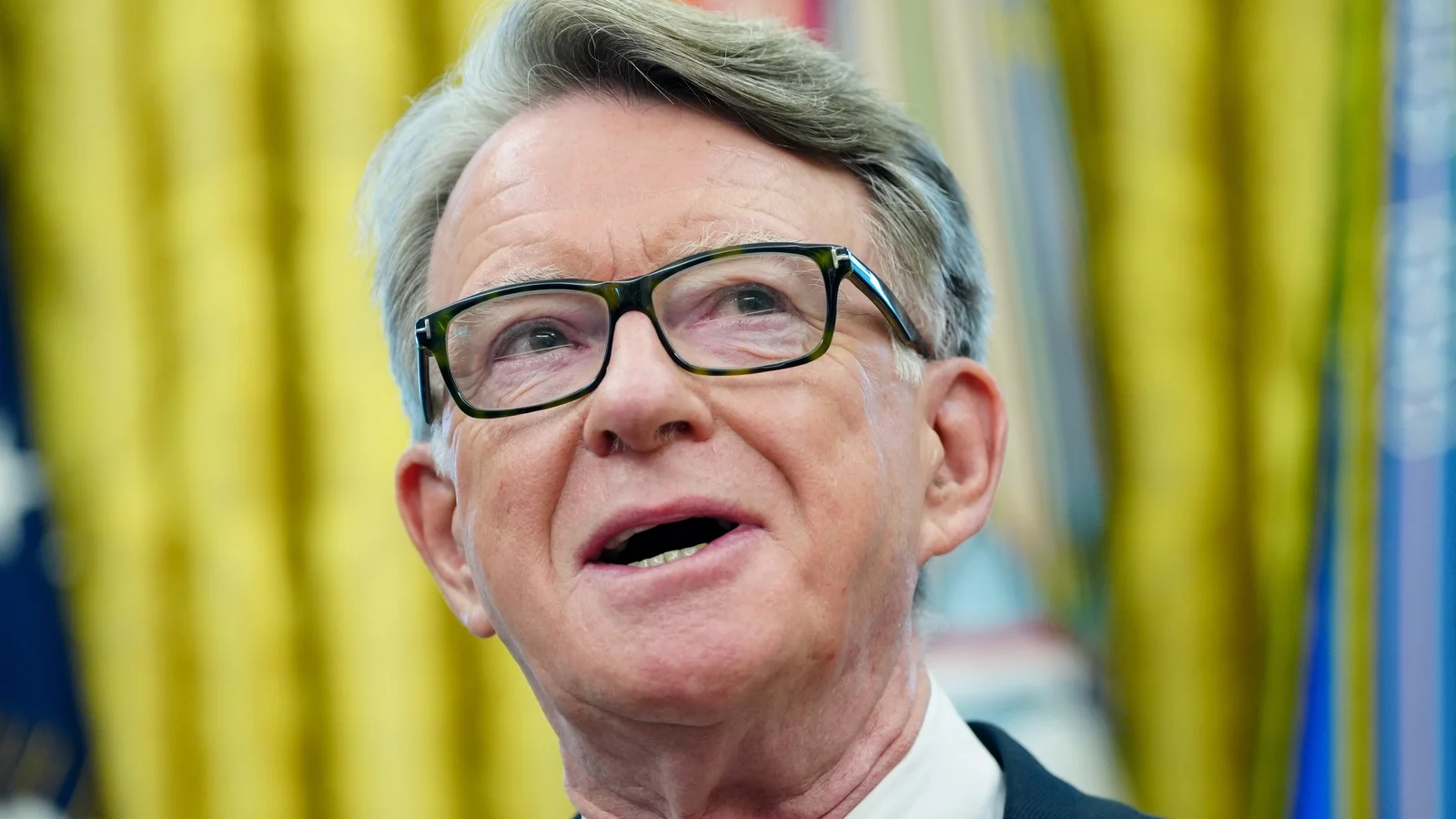
At stake is not merely the biography of one politician, but the conversation about how old networks and private relationships intersect with public life. Peter Mandelson, once a titan of New Labour and a political architect of the UK’s modern era, resigned from the Labour Party and the House of Lords after recent revelations in the US files appeared to connect him to Epstein and to suggest he passed market-sensitive information while in office.
Keir Starmer told MPs that he had been aware of Mandelson’s friendship with Epstein when appointing him, and bluntly accused the former minister of lying about the extent of that relationship. “He lied repeatedly,” the prime minister said in the chamber, a sentence that landed like a stone in still water.
But what do we mean when we say someone “lied” about a relationship? And why is this more than a quarrel about a single appointment? The questions rippled out into a global conversation about influence, access and how power is traded in social circles that cross continents.
Files, leaks and the global echo
The documents that set this off were released in the US as part of the Department of Justice’s continuing review of Epstein-related materials. Epstein died in a Manhattan jail in 2019. The files — numbering, by some accounts, in the thousands of pages — have exposed relationships and correspondence that touch a surprised and often uncomfortable variety of public figures.
They have already forced apologies from billionaires and statements from former presidents. They led to renewed scrutiny of those who mixed socially or professionally with Epstein at a time when law enforcement and survivors were trying to piece together a global trafficking network.
“Every time a new tranche drops, another set of names goes viral and another layer of gloss is removed from public life,” said Dr. Maya Ellison, a lecturer in political ethics at King’s College London. “What we face now is the challenge of distinguishing between social connection and culpable wrongdoing — and doing so without making people suspects simply for having been in the same room as a later-disgraced figure.”
Voices from the edges
Outside the Palace of Westminster, the conversation was more prosaic and immediate. A parliamentary researcher who asked not to be named said, “People are frightened. Not for themselves, but for the institutions. They worry about what it does to public confidence when the colour between private and public life blurs.”
A nearby café owner, watching MPs shuffle in for their morning coffee, shrugged. “We all knew it would come to this eventually,” she said. “In a way it’s good. Let the light in. If there’s wrongdoing, get it out.”
And a former diplomat, now an ethics campaigner, had sharper words. “This is about the norms that used to hold elites to account,” he said. “If we accept that deals and sensitive exchanges happen in private, then we accept a world in which the public interest is negotiable.”
The international frisson
It is not just a British story. American politics has been roiled by the same documents: President Trump dismissed much of the furor as “conspiracy” and urged the country to turn its attention elsewhere; the Clintons have been drawn into congressional scrutiny; and high-profile figures from philanthropy to business have issued apologies or denials. The ripple effect is unmistakable: how one country deals with its file troves becomes fodder for political theatre half a world away.
“We live in an era when information leaks travel faster than the institutions meant to control them,” Dr. Ellison observed. “That’s why how we manage the release of documents is as important as the documents themselves.”
What comes next?
For now, documents will be processed with legal oversight, with portions routed to the ISC where national security or diplomatic sensitivities are implicated. The Metropolitan Police assessment remains a gating factor. And the Commons has made clear it expects transparency — even if the process will be painstaking and slow.
There are larger questions waiting patiently in the wings: about how political appointments are vetted, about the channels through which access and influence travel, and about the expectations we place on public figures when their private lives intertwine with public duties.
How much secrecy do we accept in the name of national interest, and how much sunlight do we demand for the sake of accountability? It’s a question that pushes past Mandelson, past Epstein, and into the ordinary architecture of democratic trust.
As the files creep into daylight, one truth feels undeniable: the appetite for answers is global, the cost of silence grows, and the institutions that mediate between what is private and what is public will be judged not only by what they know, but by how honestly they acted on it.
So ask yourself: when the next set of papers lands on your timeline, what will you want to see? What line do you draw between friendship and influence, between poor judgement and criminality? The answers matter — because the question is not just who sat at which table with whom, but what we allow those tables to decide for the rest of us.